Engineering Mathematics
Calculus
Vector Calculus
Questions mapped to Vector Calculus under Calculus.
22
Total0
Attempted0
Correct0
IncorrectGiven that , the integral over the unit sphere centered at the origin evaluates to

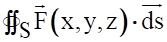


(Round off to one decimal place)
Sign in to see the solution
Log in to view the explanation, track your attempts, and keep your progress.
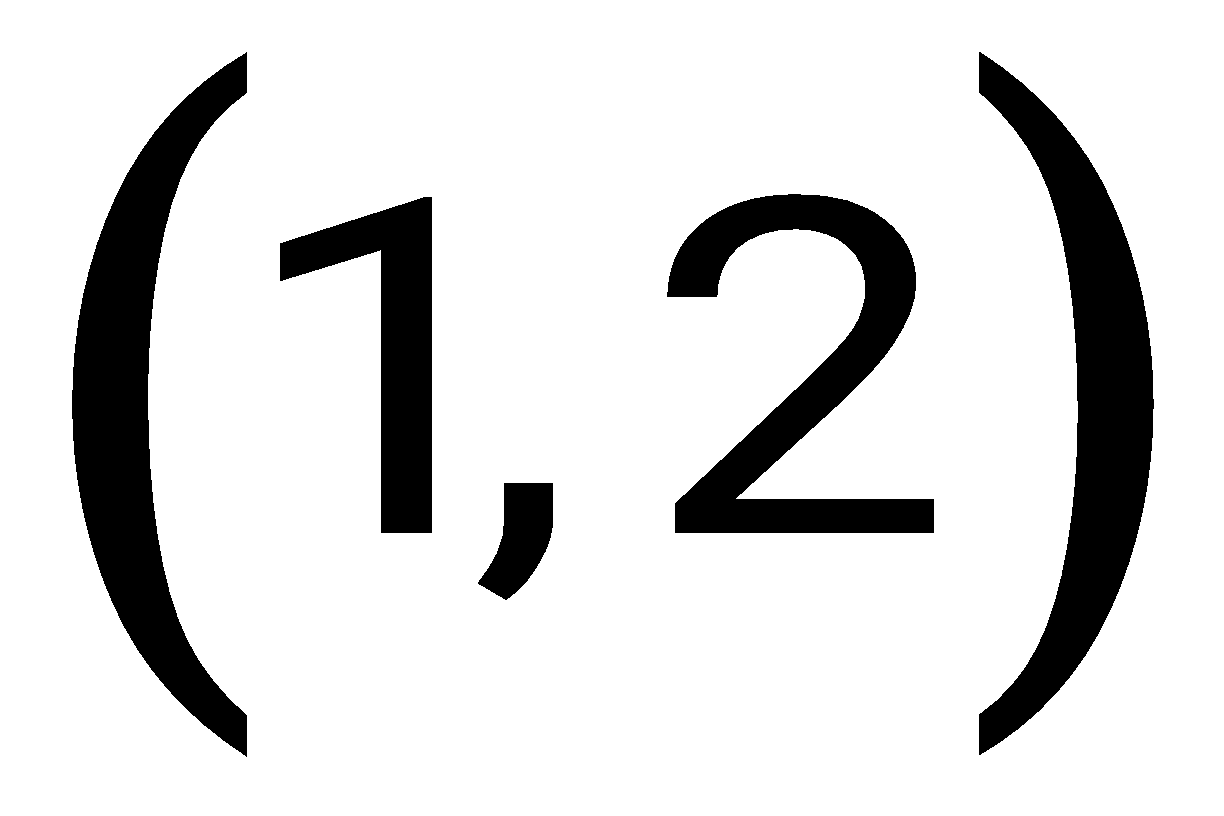
Sign in to UnlockLet . The rate of change of the real valued function,
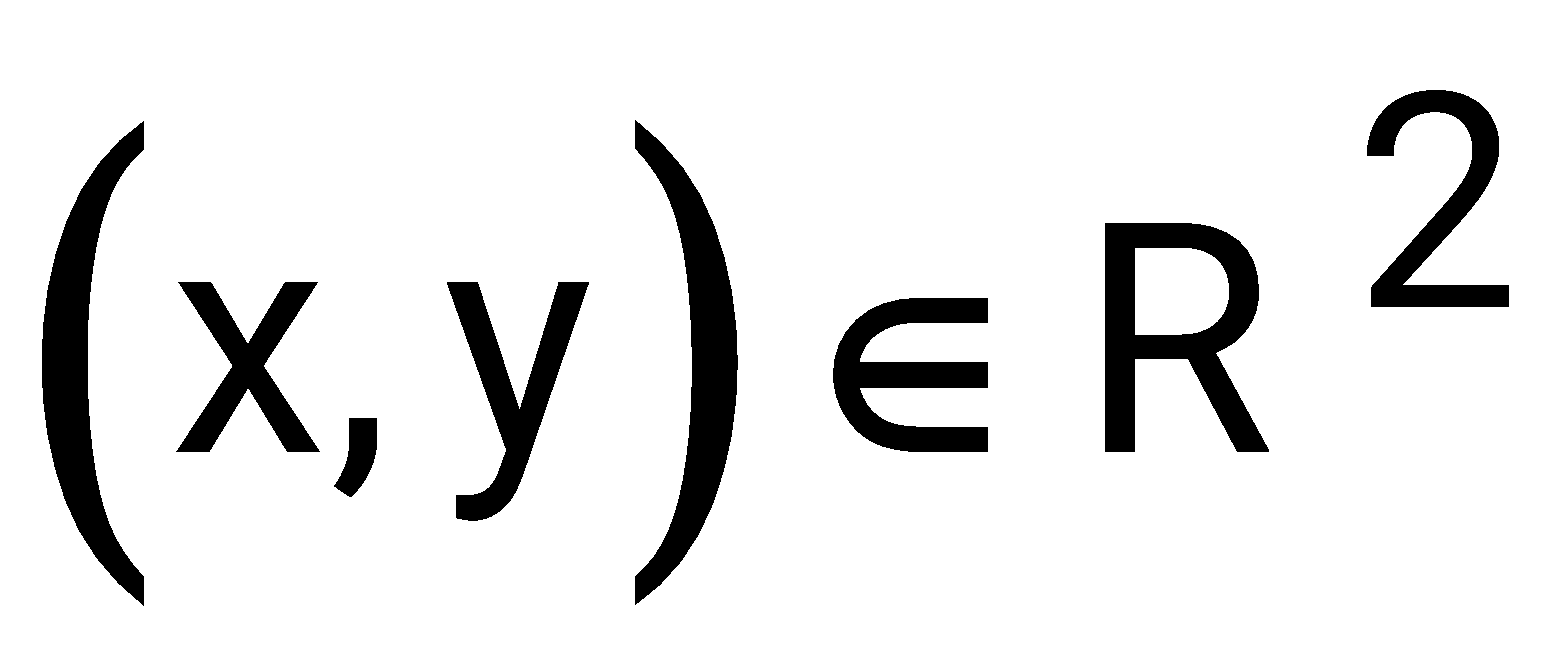

at the origin in the direction of the point is __________ (round off to the nearest integer).
Sign in to see the solution
Log in to view the explanation, track your attempts, and keep your progress.
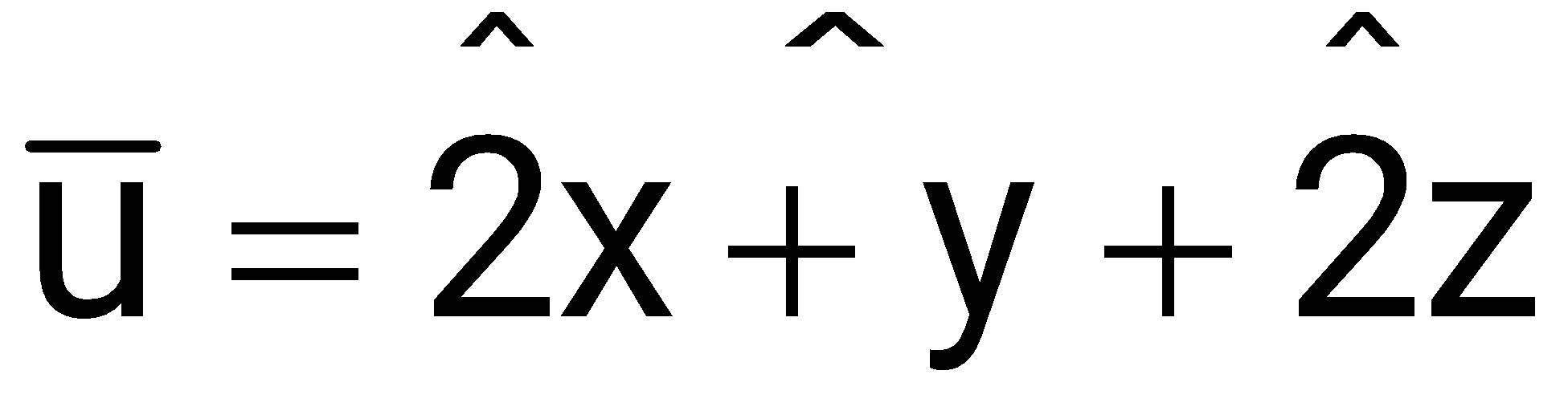
Sign in to UnlockConsider a vector , where represent unit vectors along the coordinate axes respectively. The directional derivative of the function at the point in the direction of is
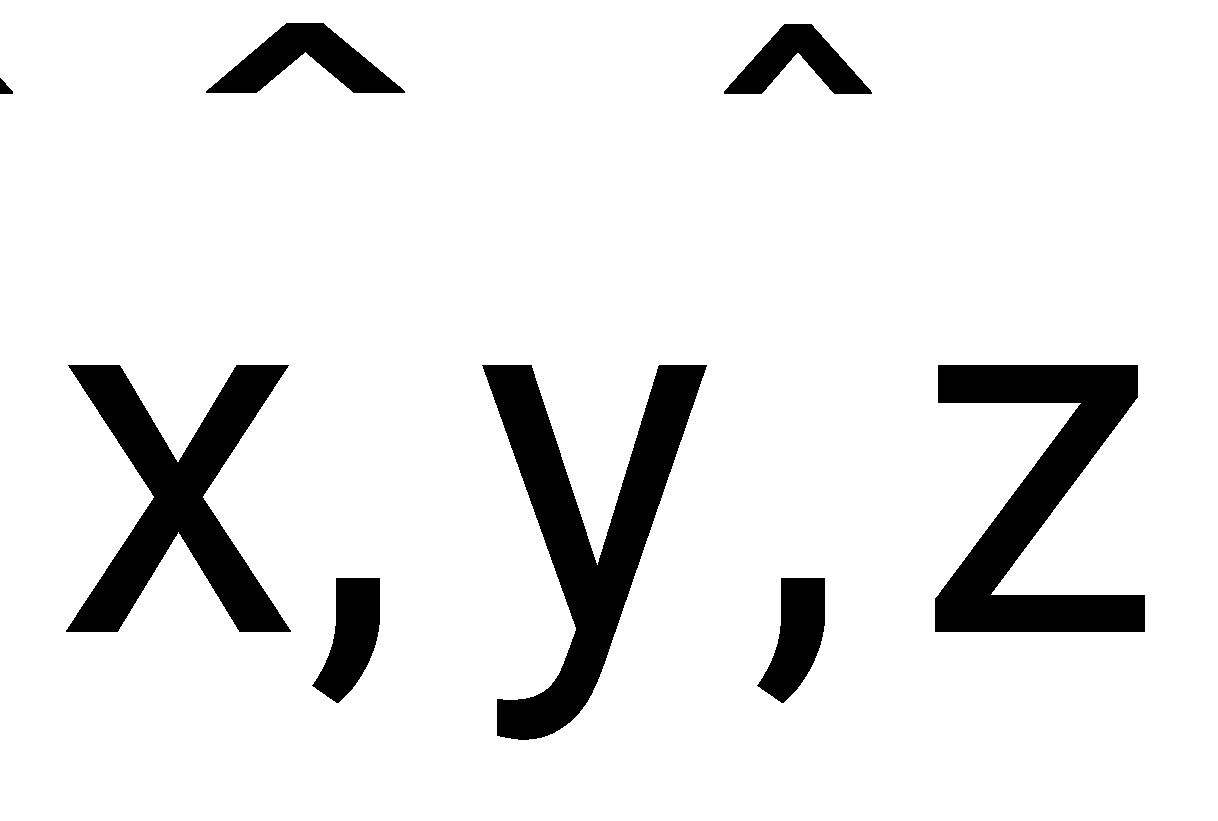
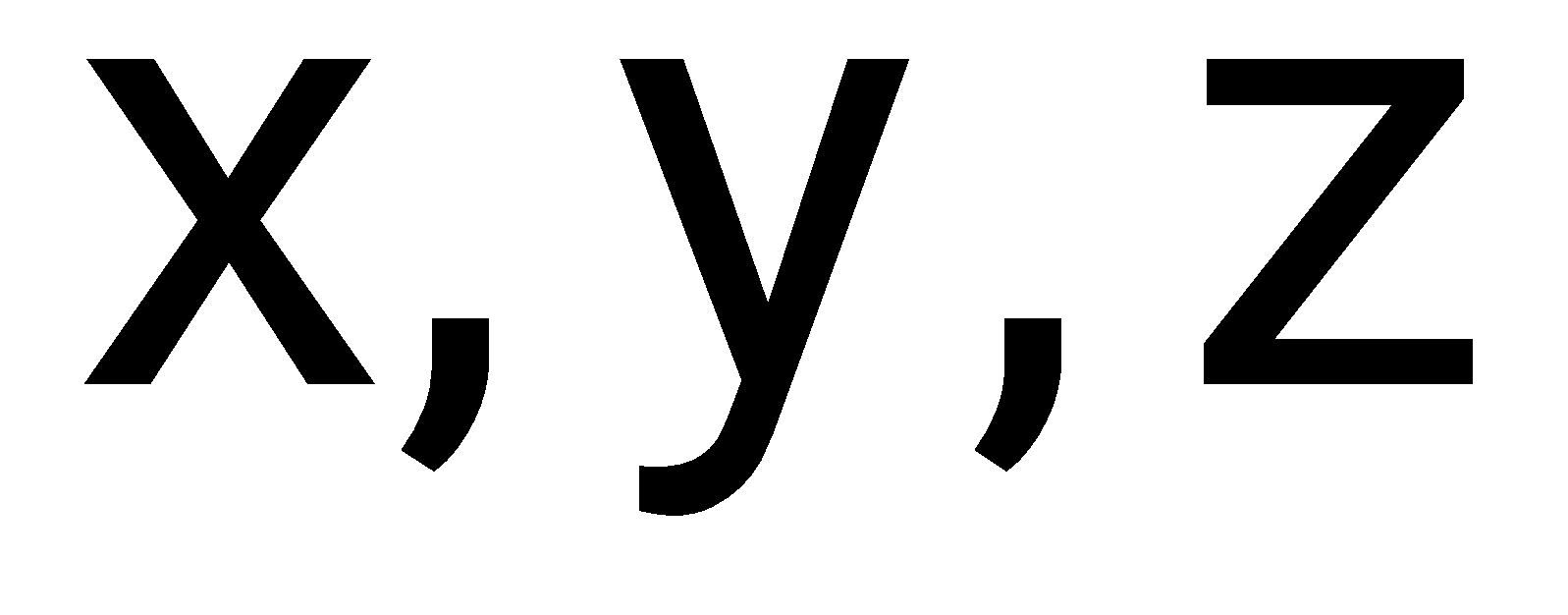

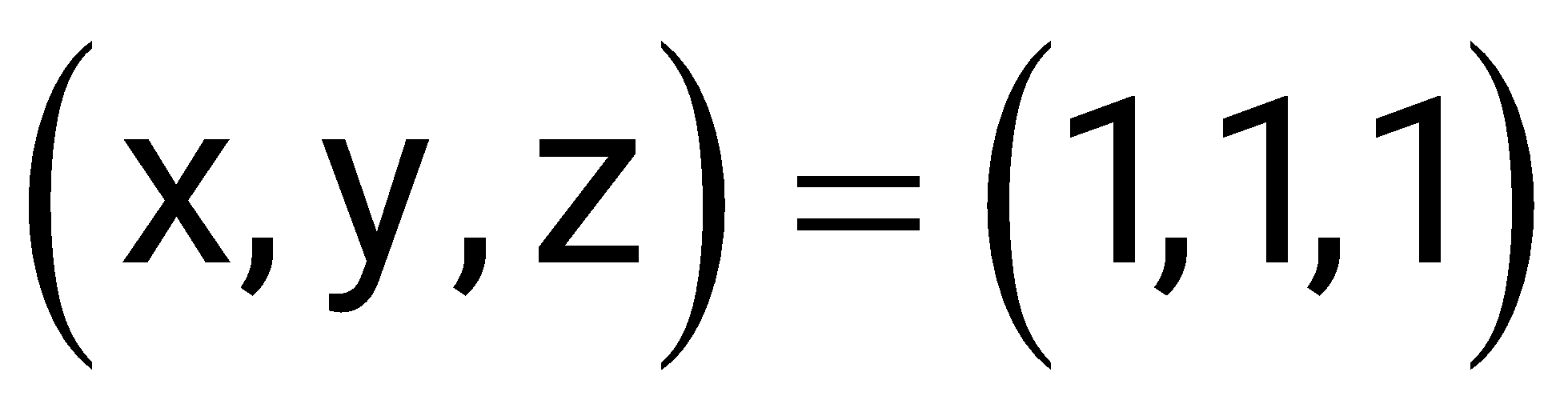
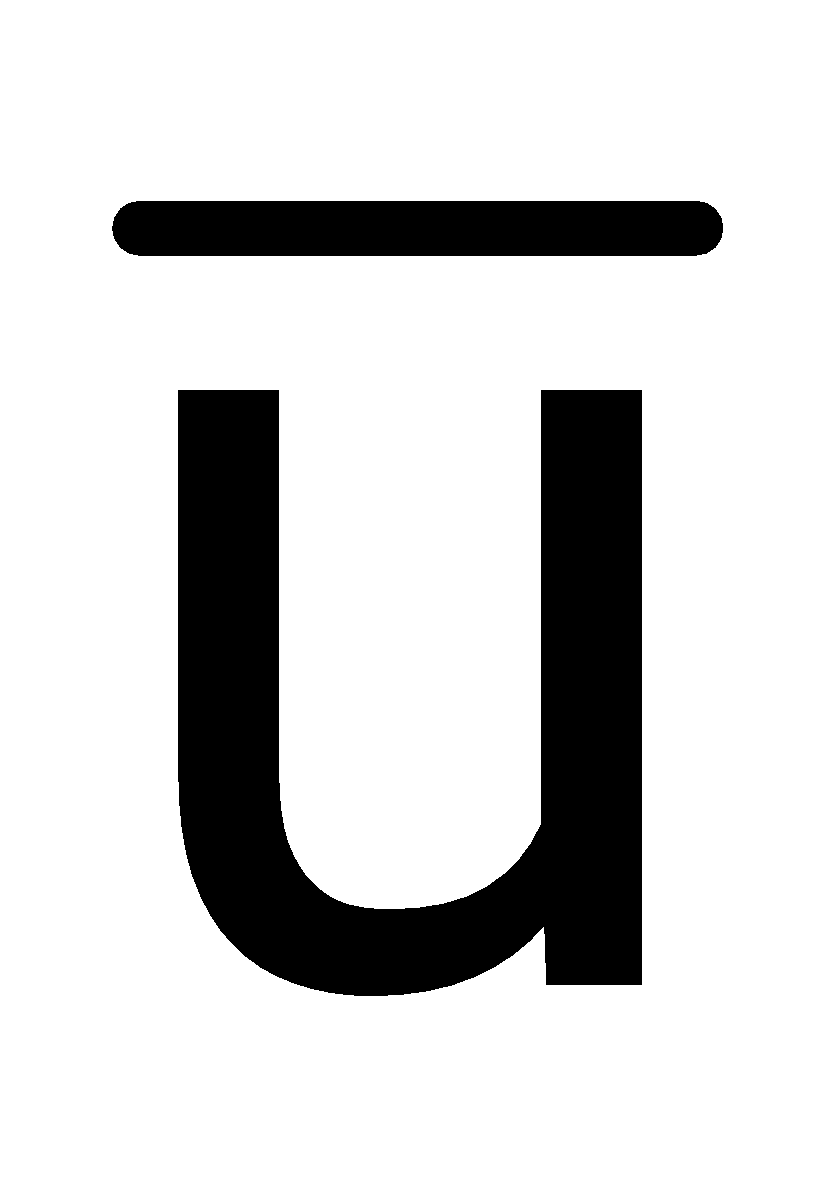
0
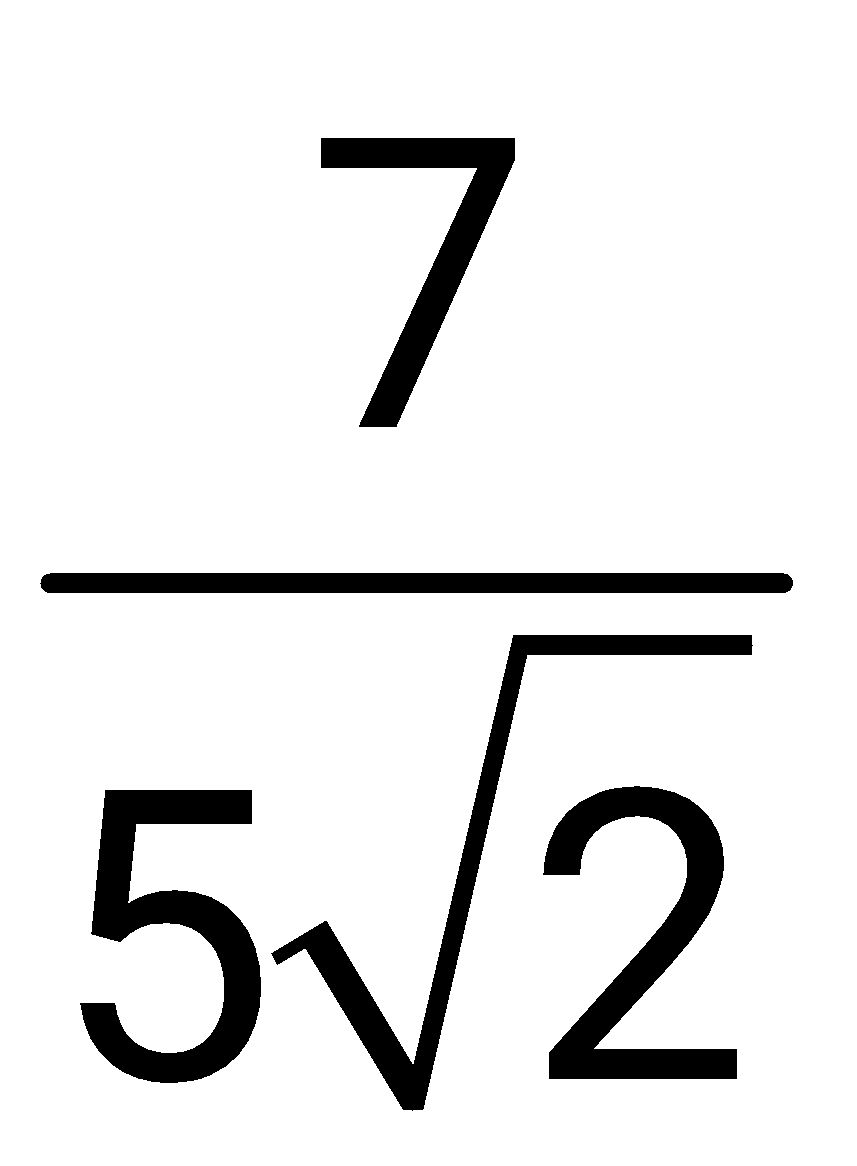
7
21
Sign in to see the solution
Log in to view the explanation, track your attempts, and keep your progress.
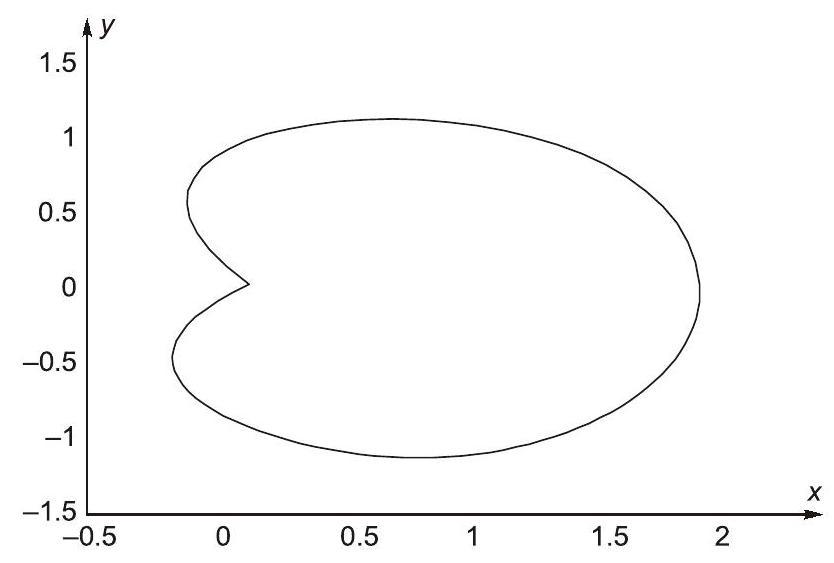
Sign in to UnlockThe closed curve shown in the figure is described by , where ;
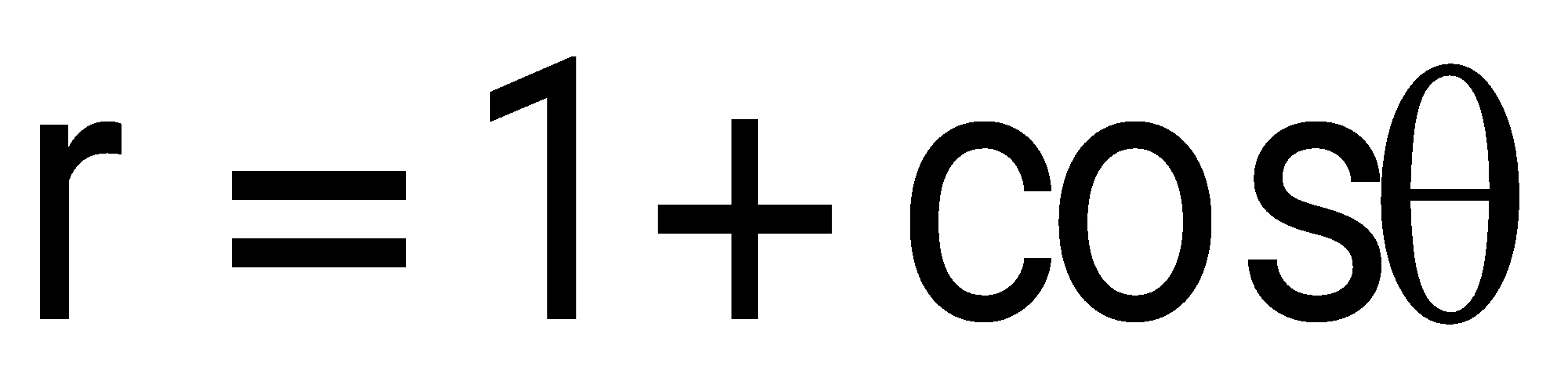
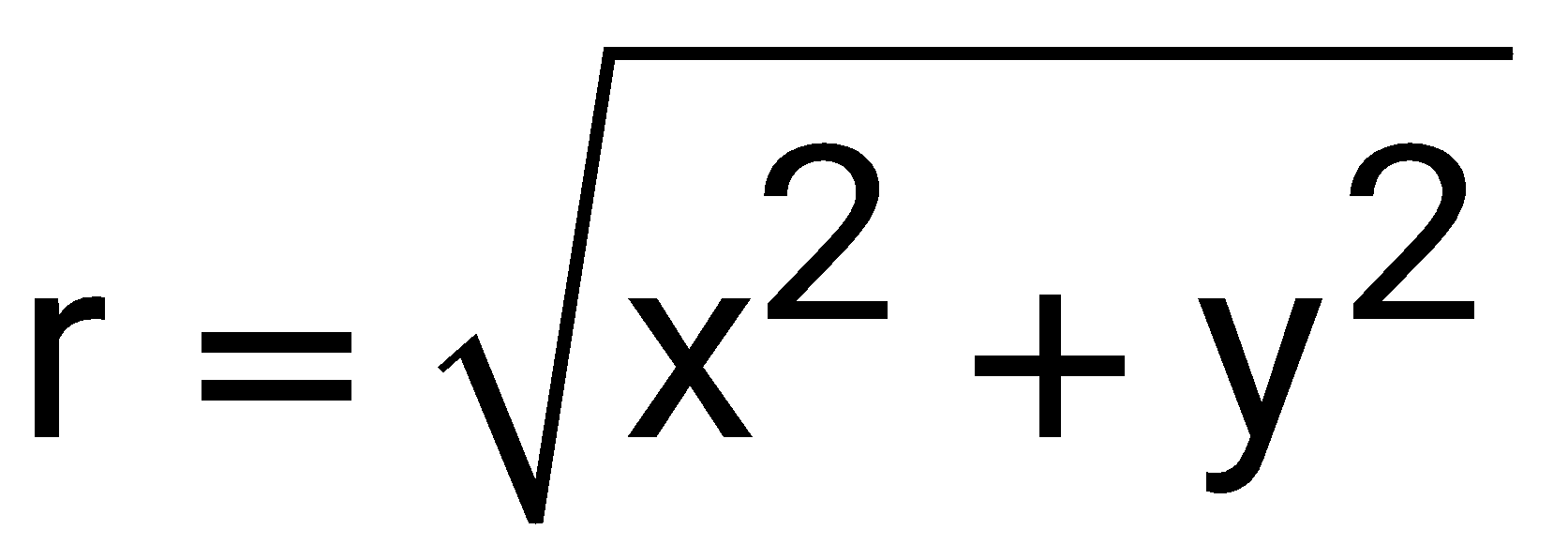
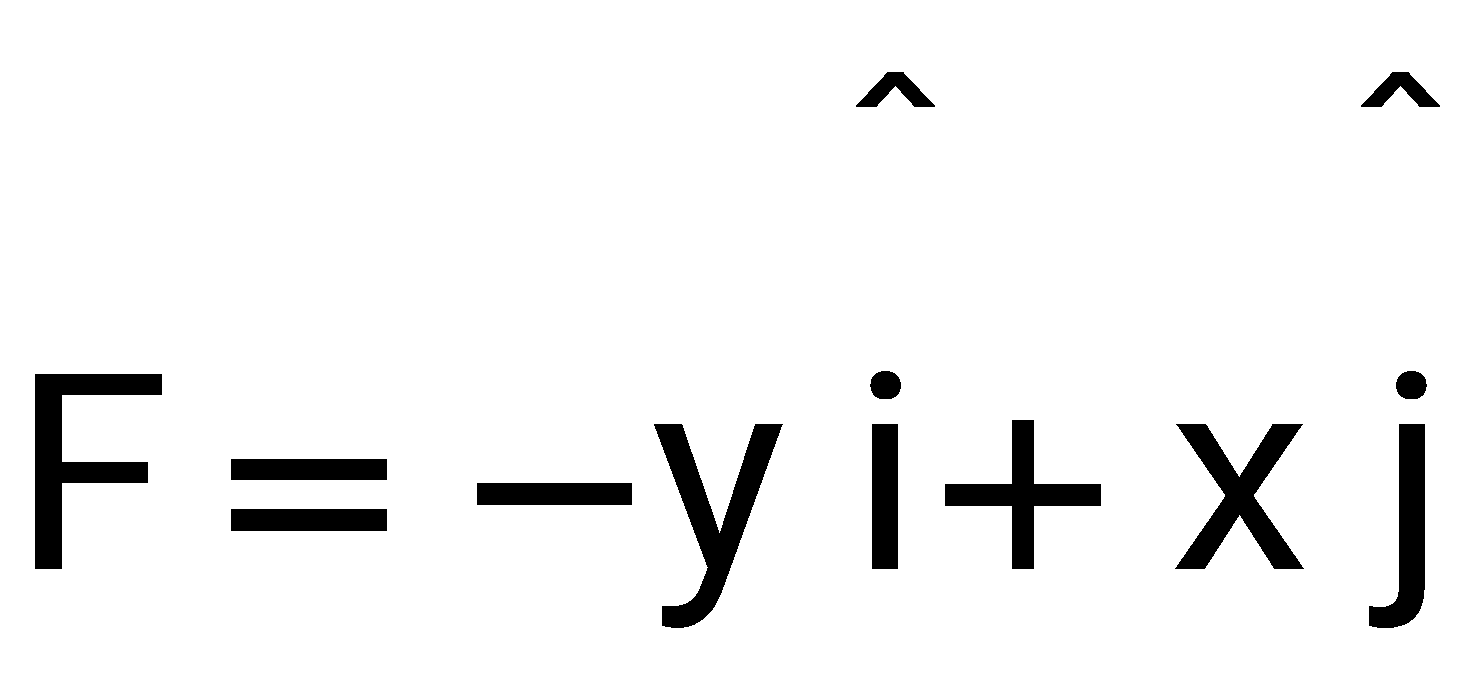
. The magnitude of the line integral of the vector field around the closed curve is __________ (Round off to 2 decimal places).

Sign in to see the solution
Log in to view the explanation, track your attempts, and keep your progress.
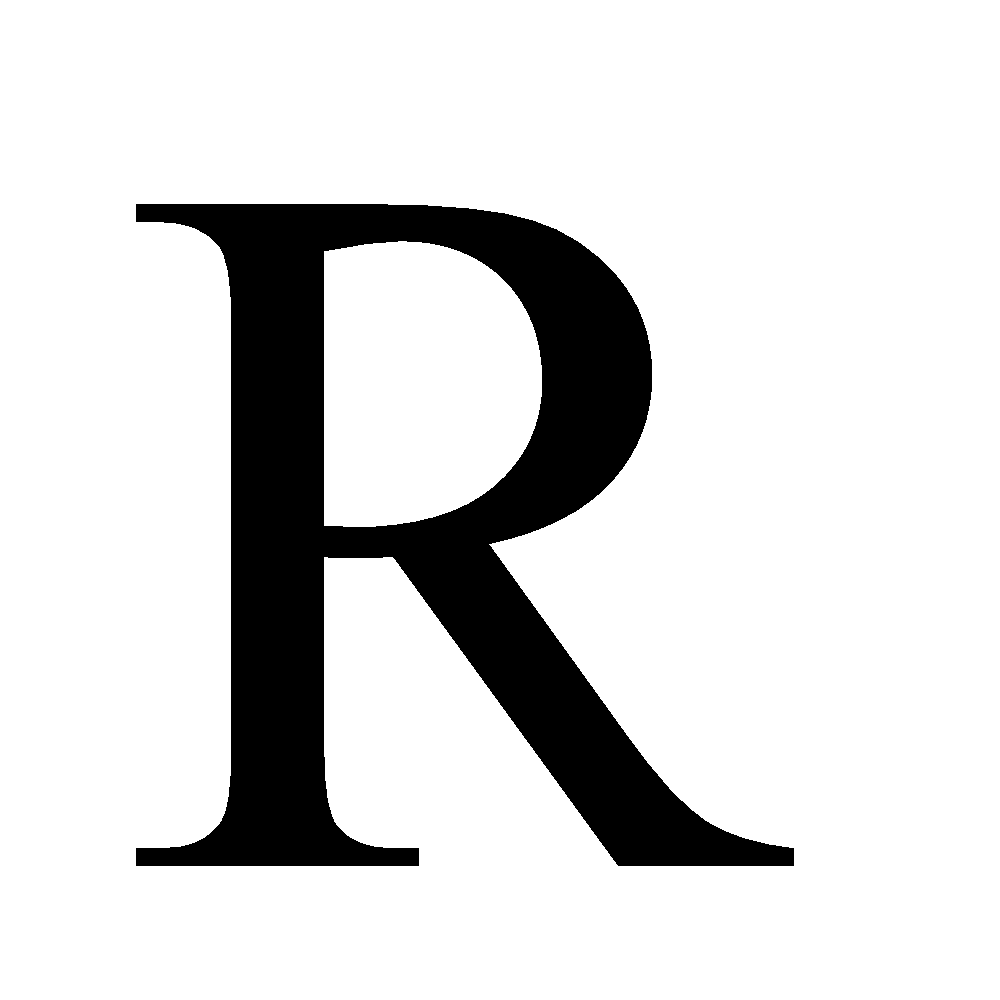
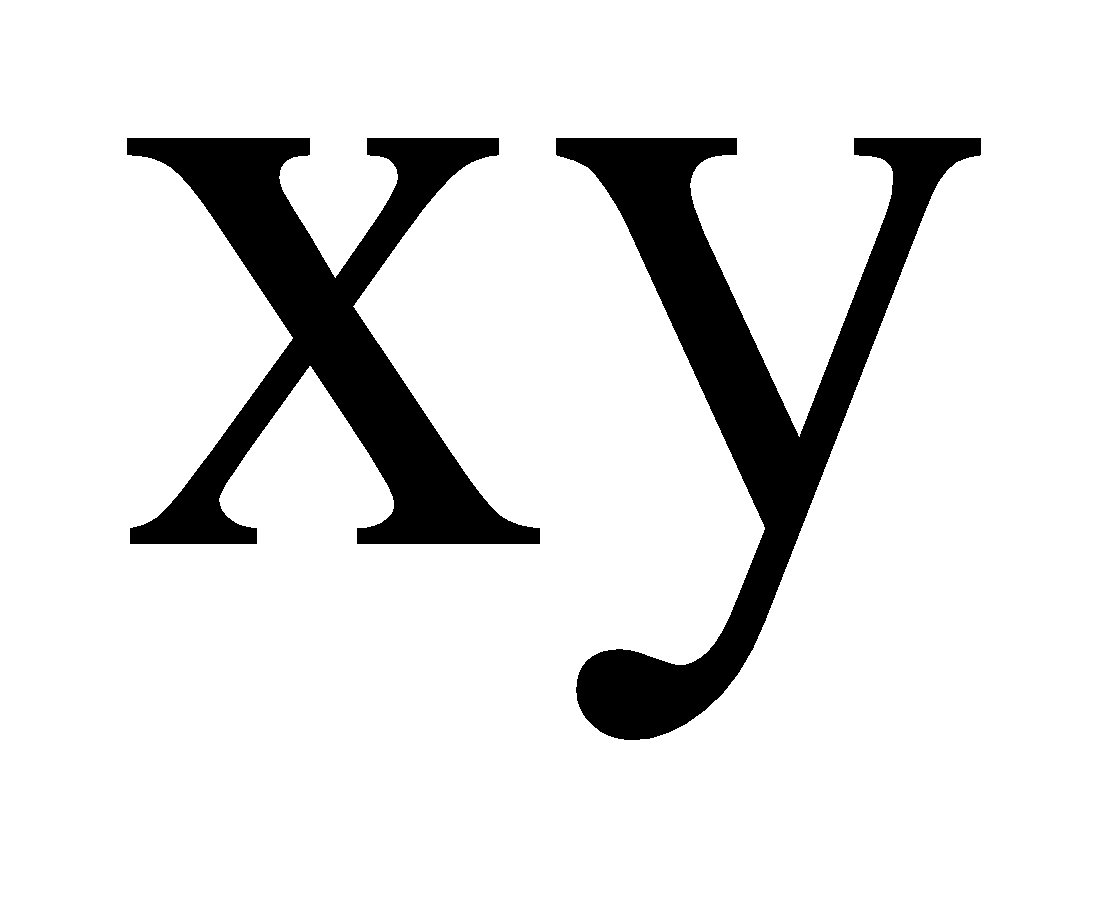
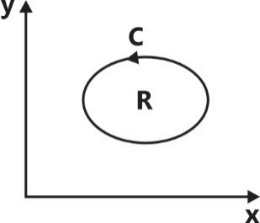
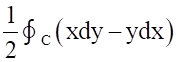
Sign in to UnlockLet be a region in the first quadrant of the plane enclosed by a closed curve C considered in counter-clockwise direction. Which of the following expressions does not represent the area of the region ?


Sign in to see the solution
Log in to view the explanation, track your attempts, and keep your progress.
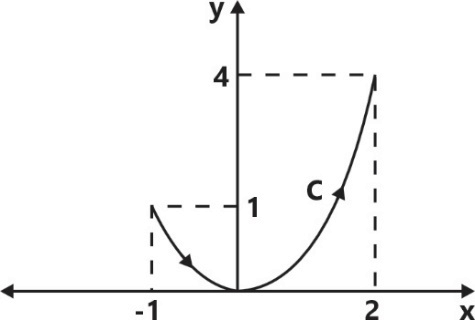
Sign in to UnlockLet and be unit vectors along and directions, respectively. A vector function is given by .
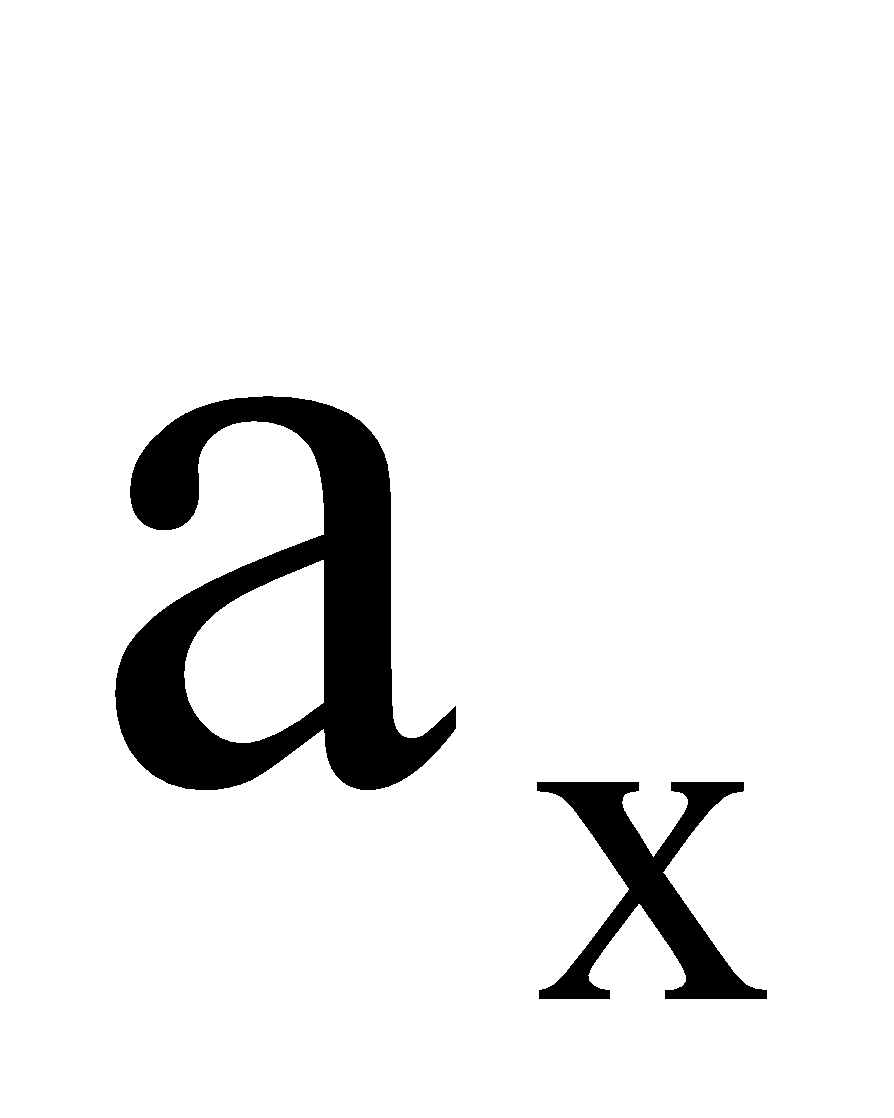
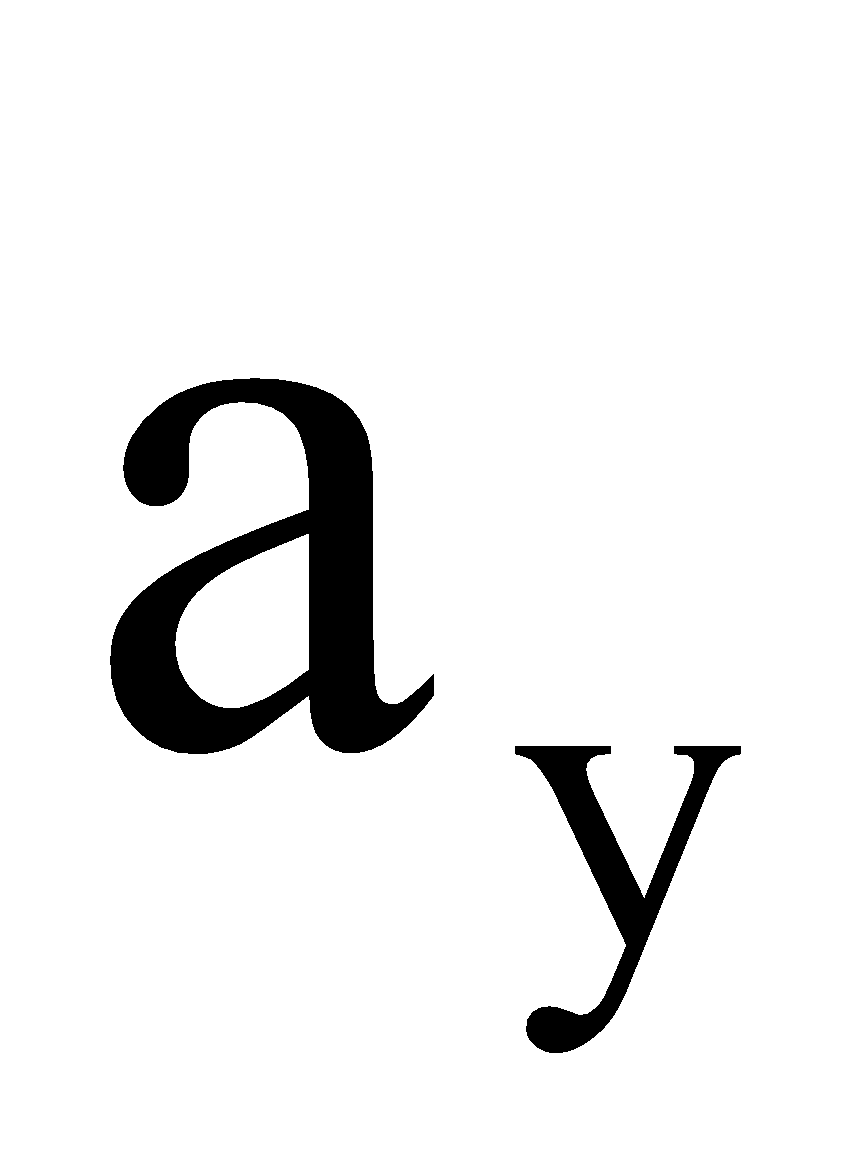
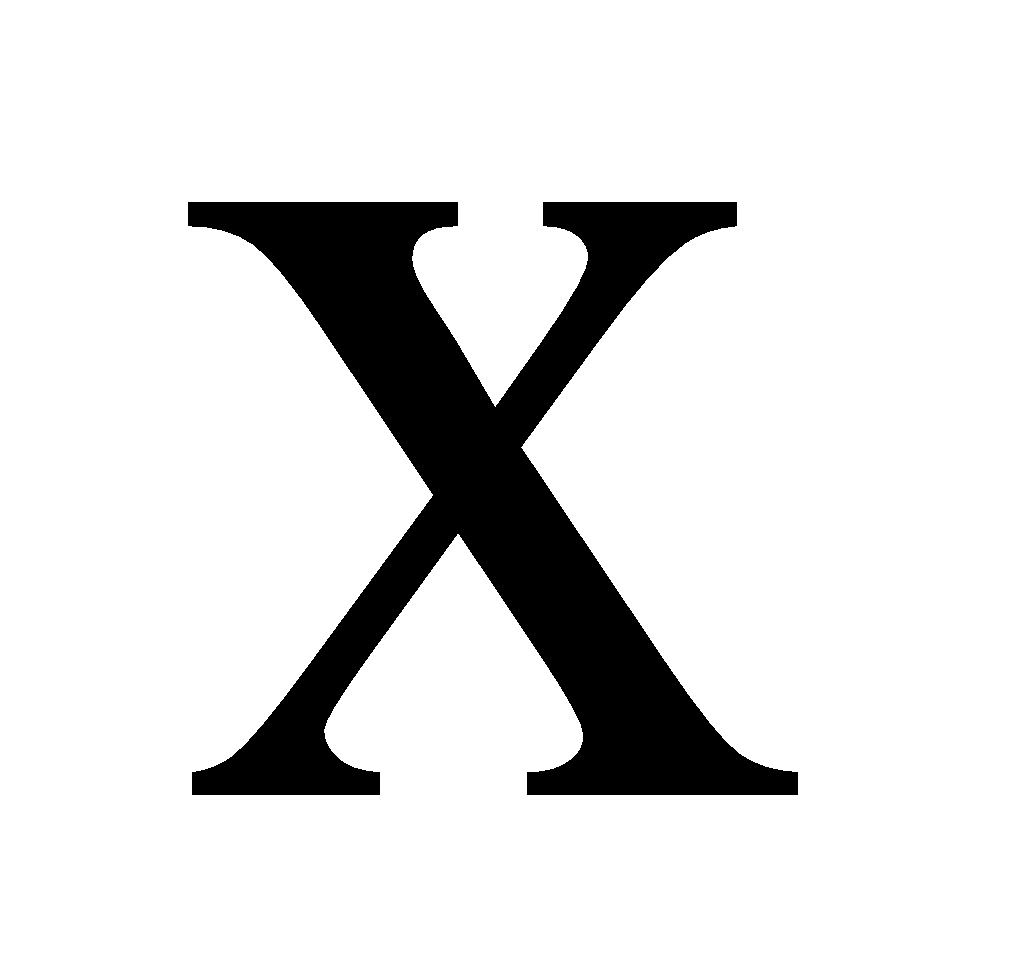
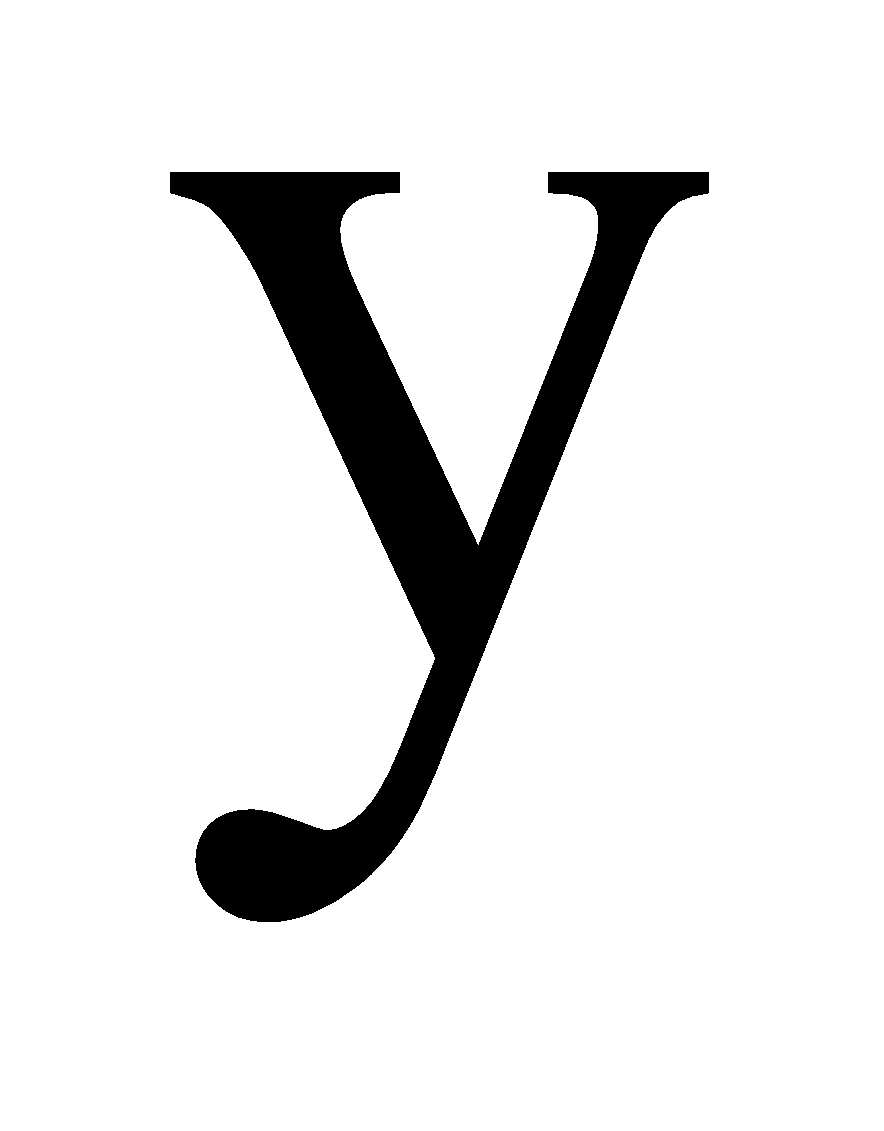
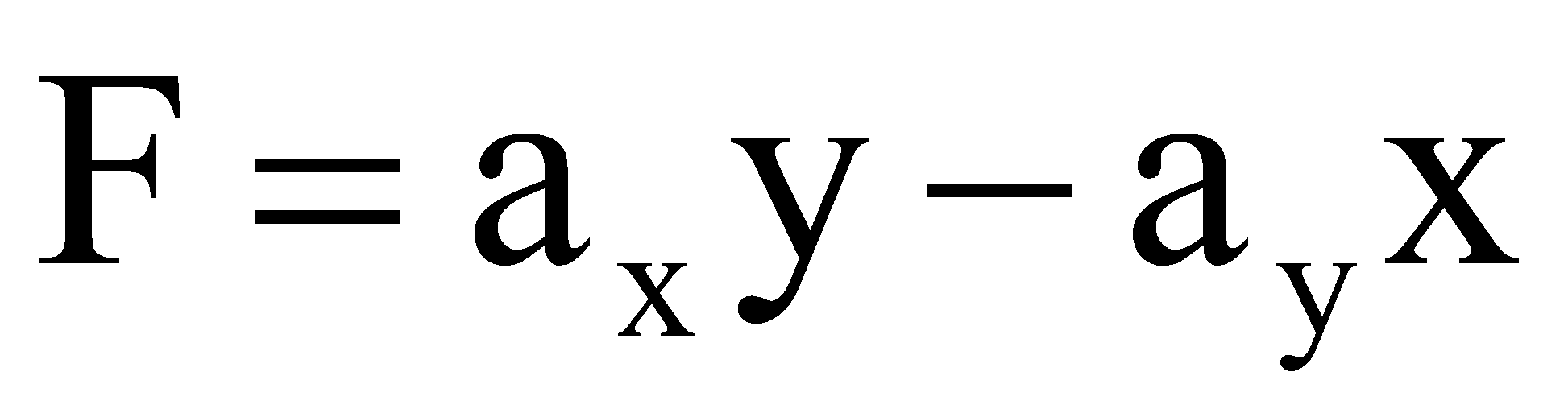
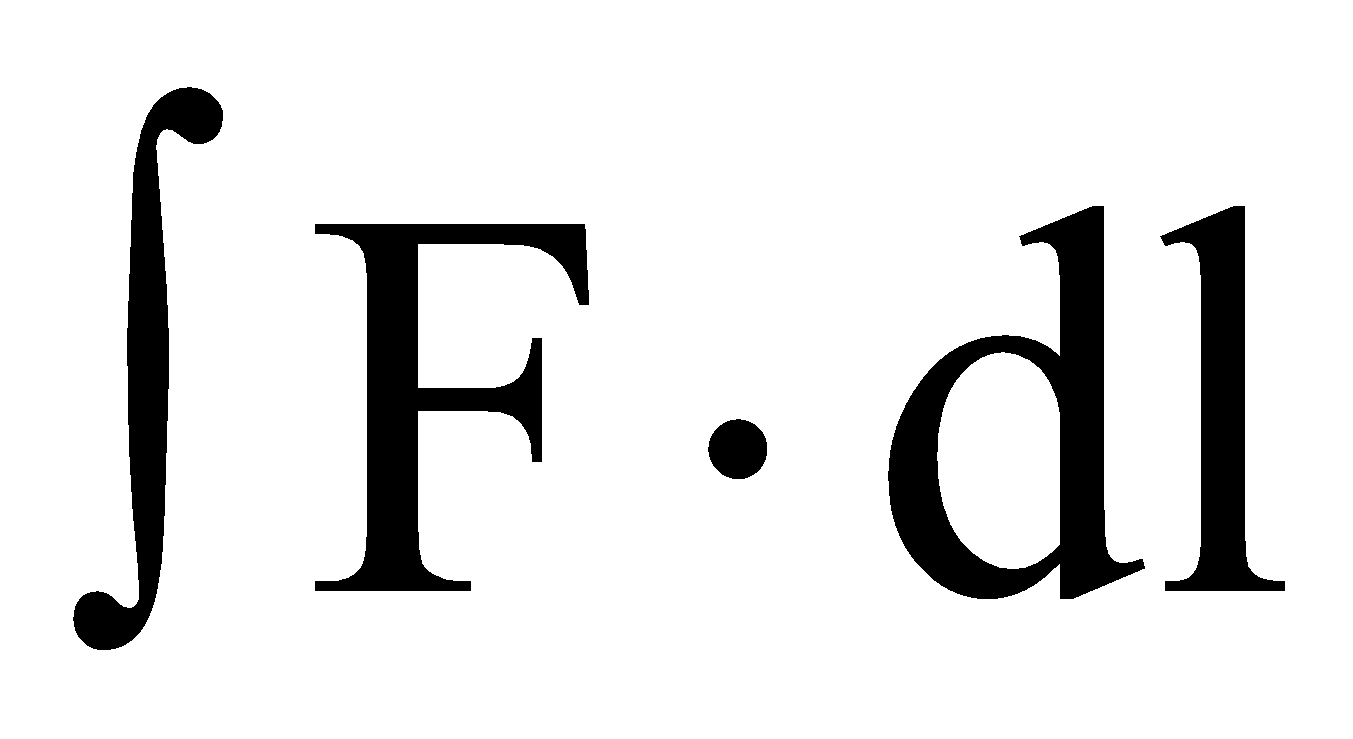
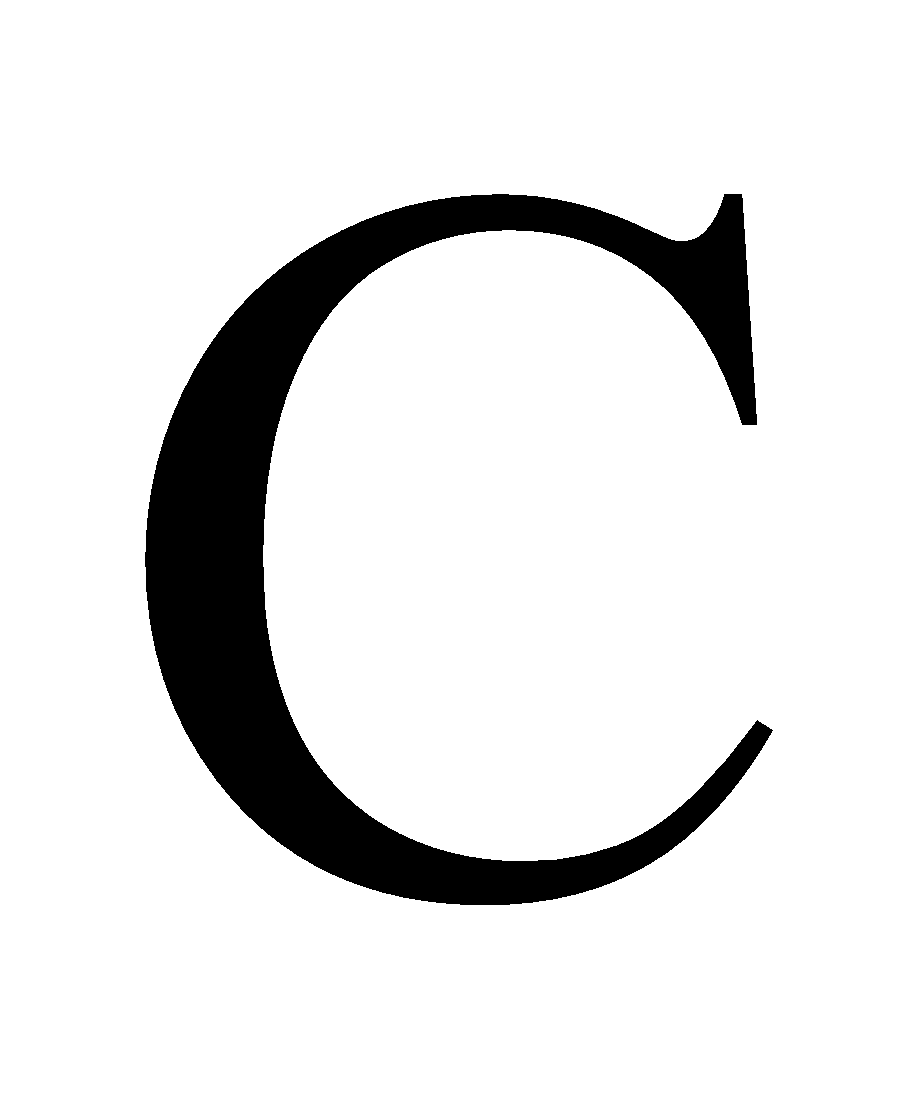
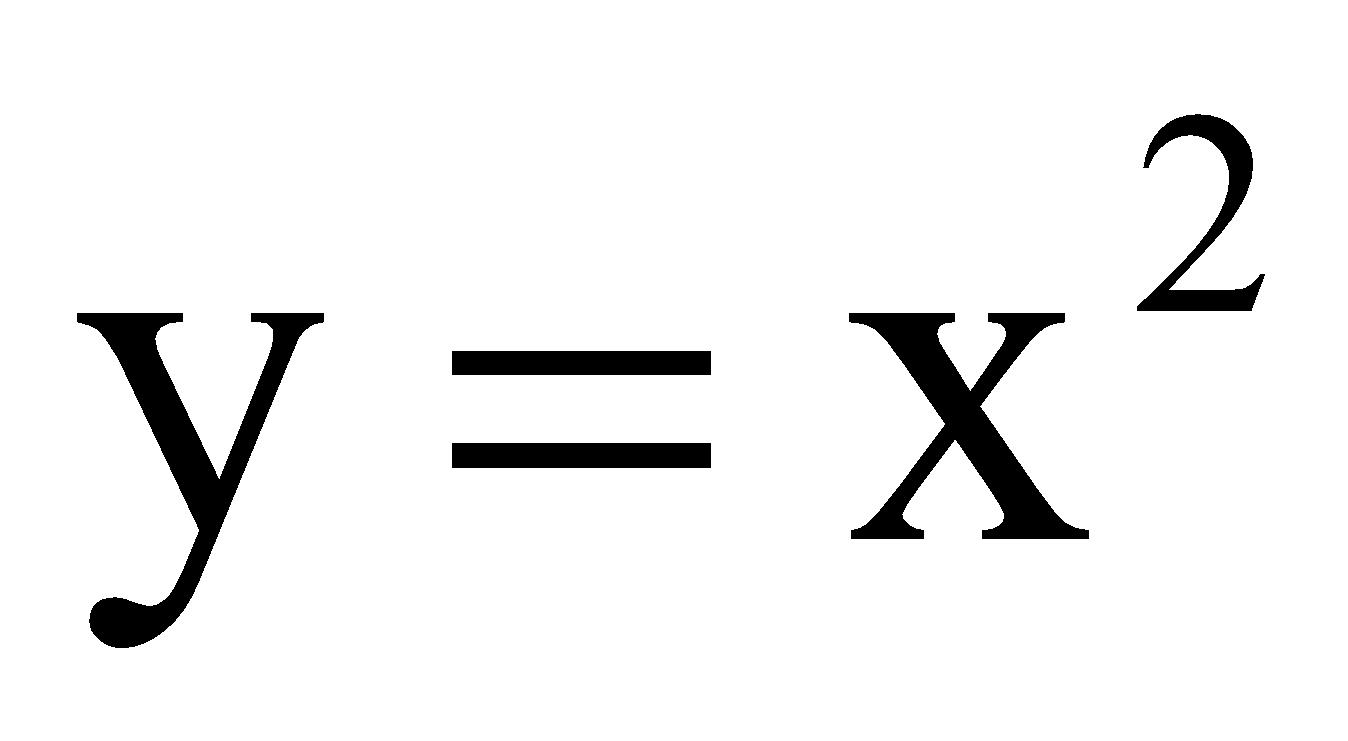
The line integral of the above function, along the curve , which follows the parabola as shown below is __________. (rounded off to 2 decimal places).
Sign in to see the solution
Log in to view the explanation, track your attempts, and keep your progress.
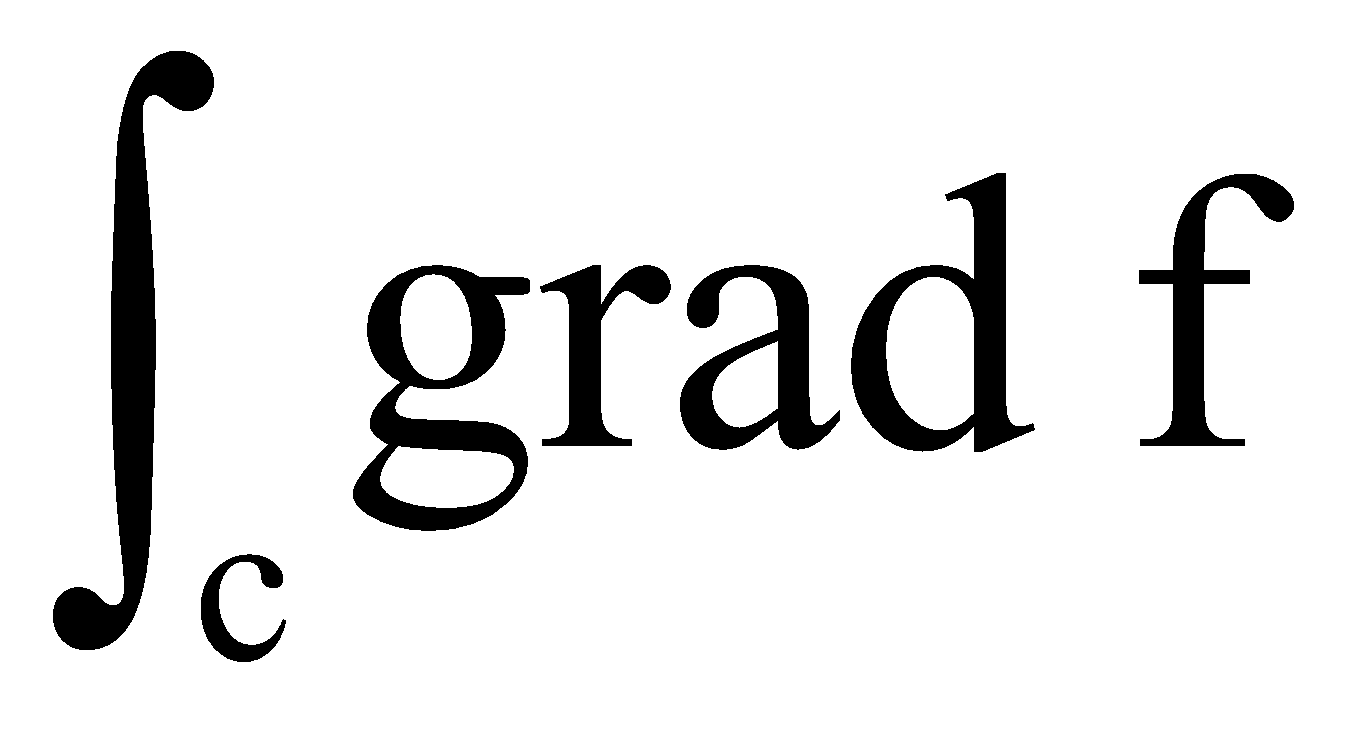
Sign in to UnlockIf , the value of line integral . dr evaluated over contour C formed by the segments is ______________.


Sign in to see the solution
Log in to view the explanation, track your attempts, and keep your progress.
Sign in to UnlockIf then div(uA) at (1, 1, 1) is ____________.

Sign in to see the solution
Log in to view the explanation, track your attempts, and keep your progress.
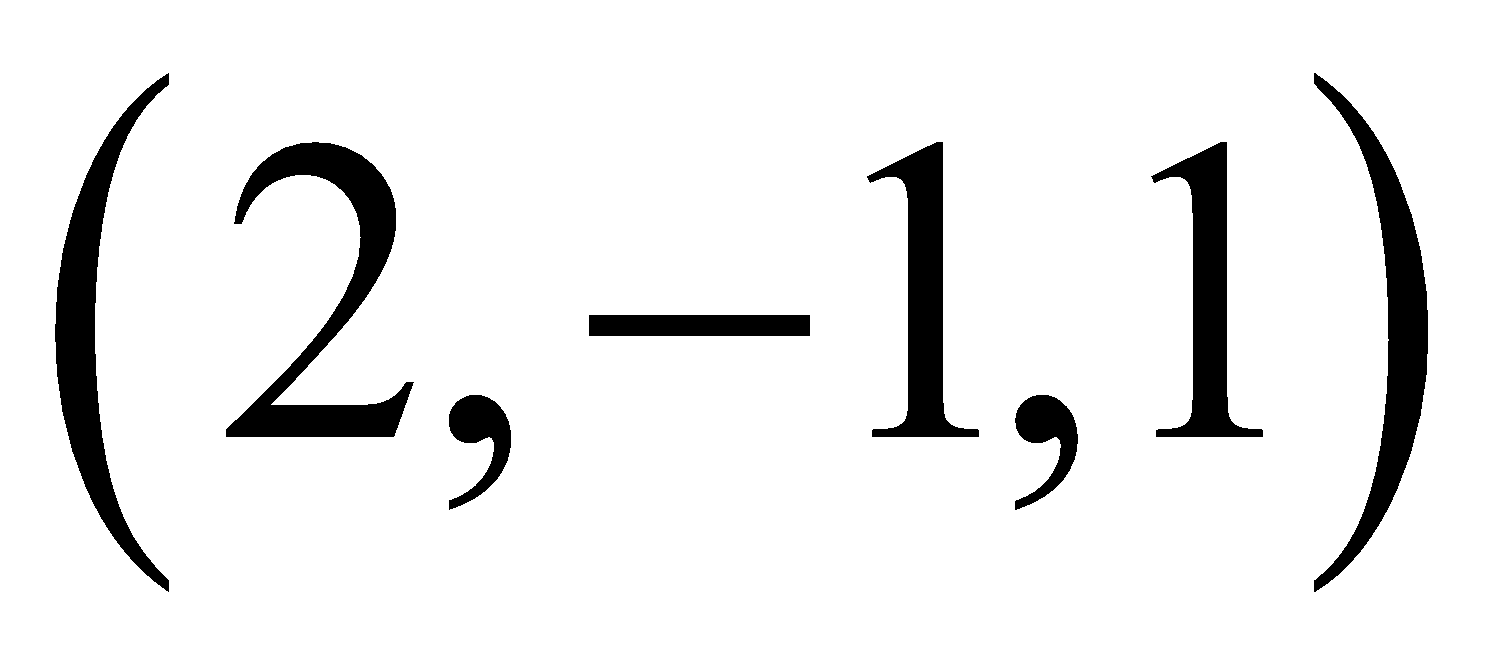
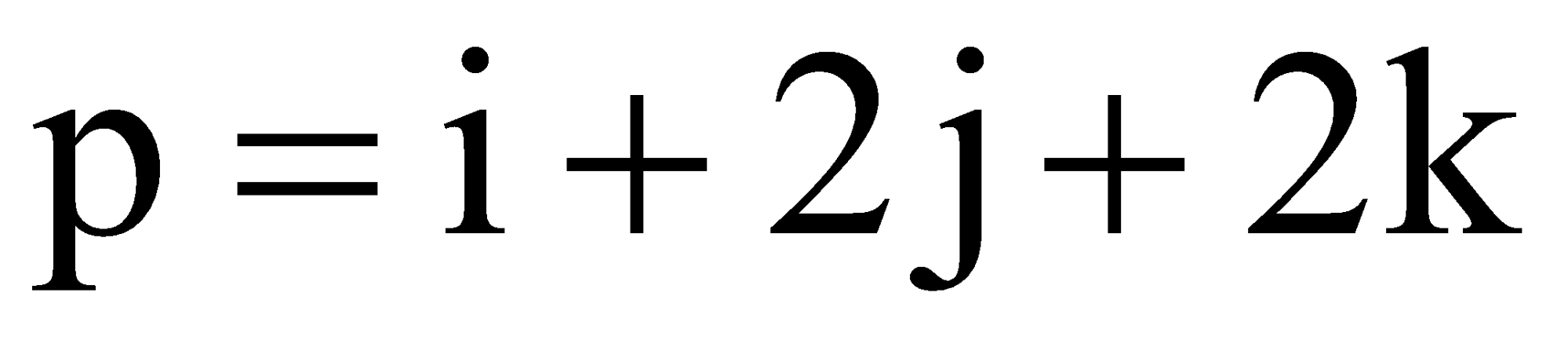
Sign in to UnlockThe value of the directional derivative of the functionat the point in the direction of the vectoris

Sign in to see the solution
Log in to view the explanation, track your attempts, and keep your progress.
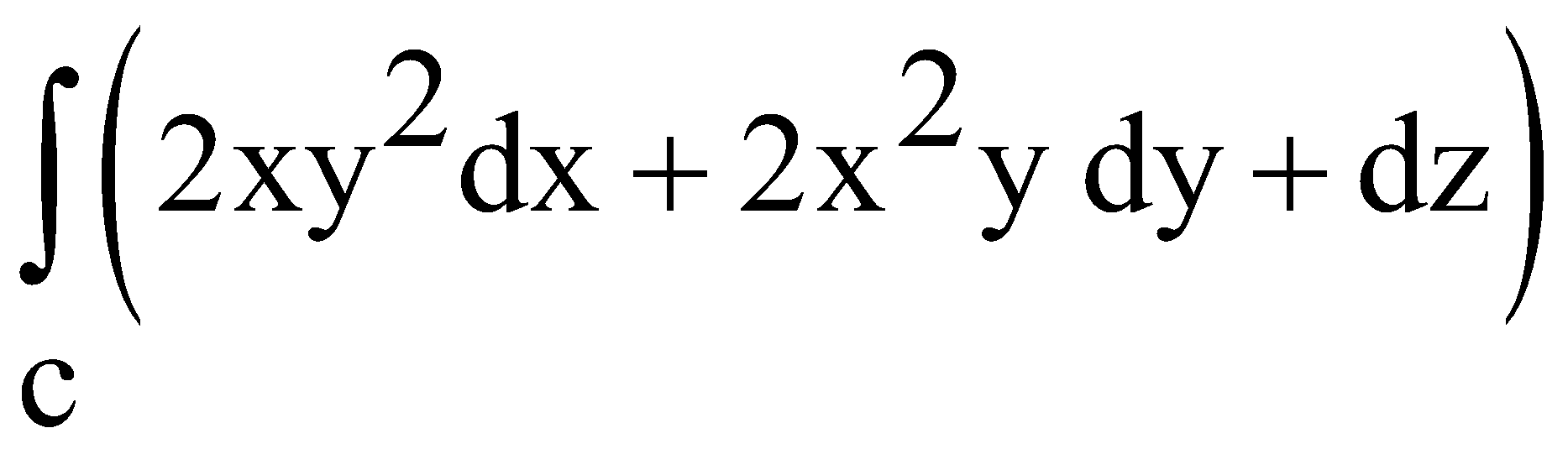
Sign in to UnlockThe value of the line integral along a path joining the origin (0, 0, 0) and the point (1, 1, 1) is
Sign in to see the solution
Log in to view the explanation, track your attempts, and keep your progress.
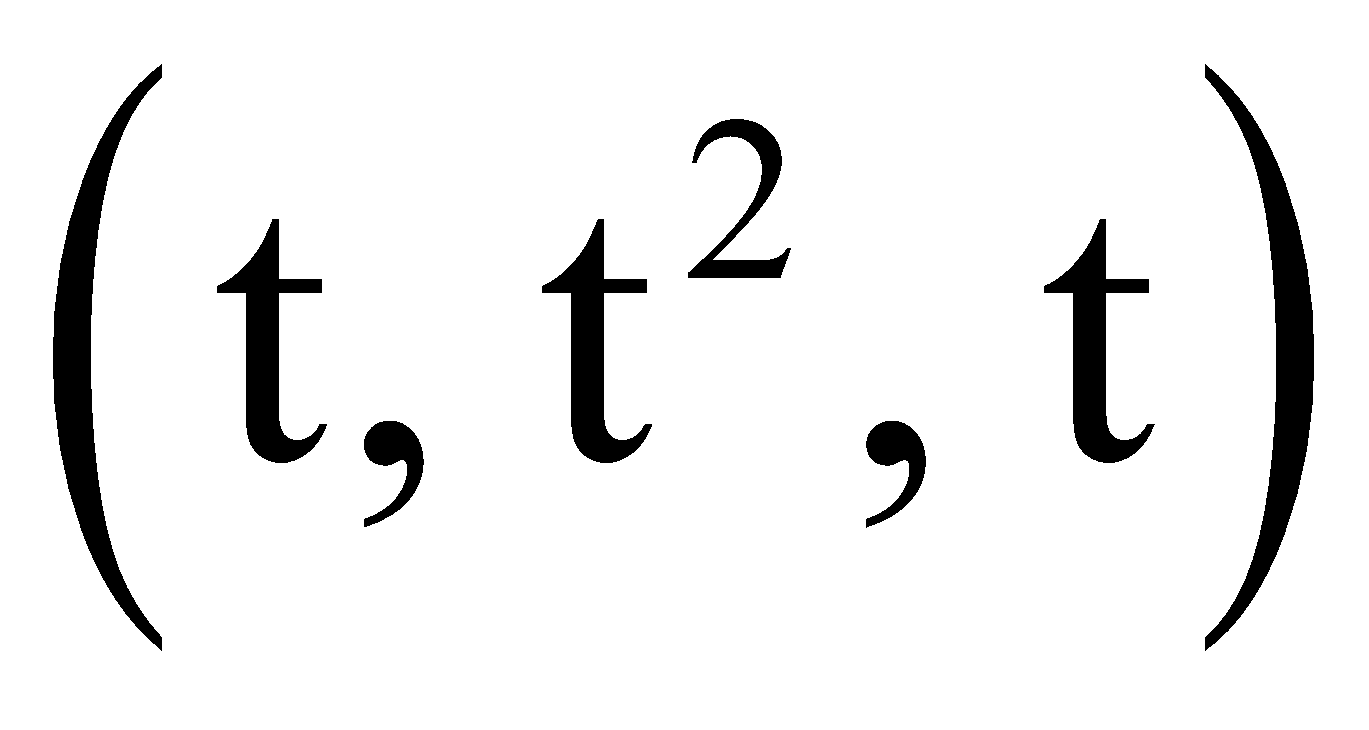
Sign in to UnlockThe line integral of the vector field along a path from (0, 0, 0) to (1, 1, 1) parametrized by is ______________.

Sign in to see the solution
Log in to view the explanation, track your attempts, and keep your progress.
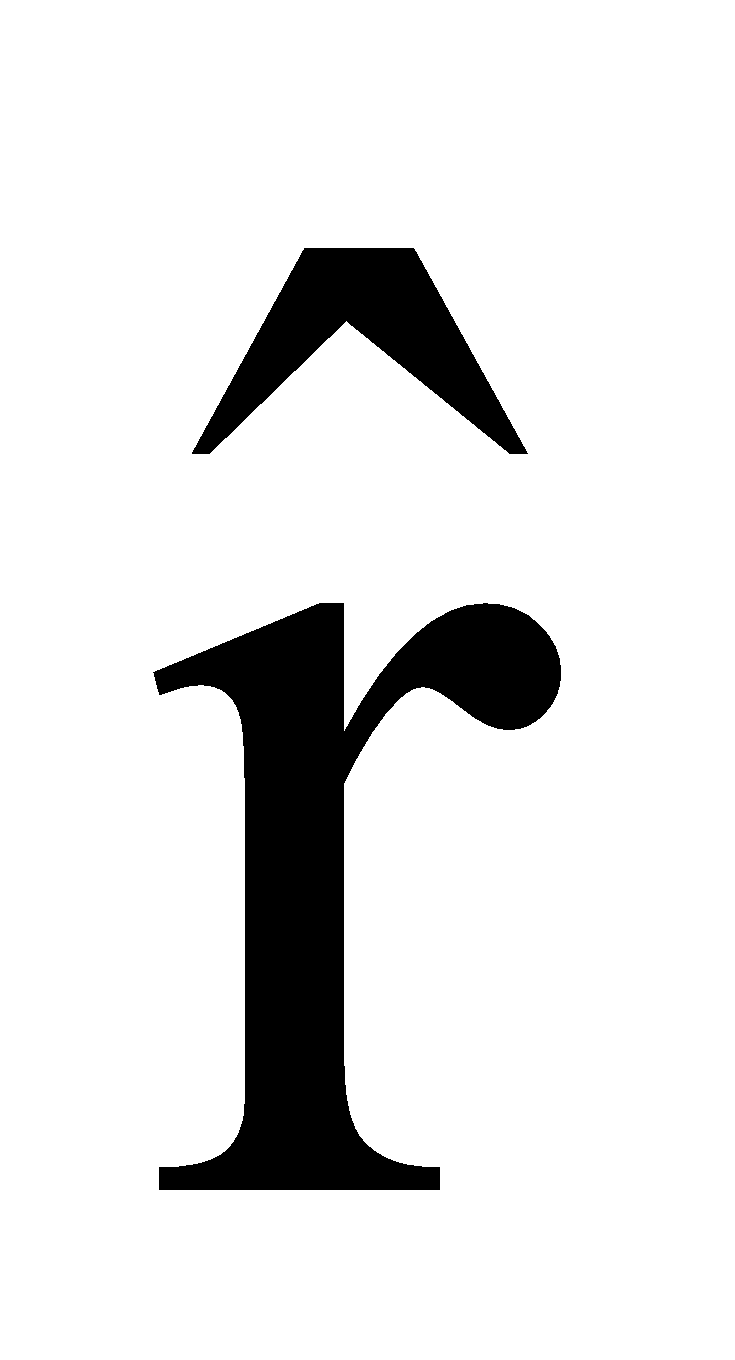
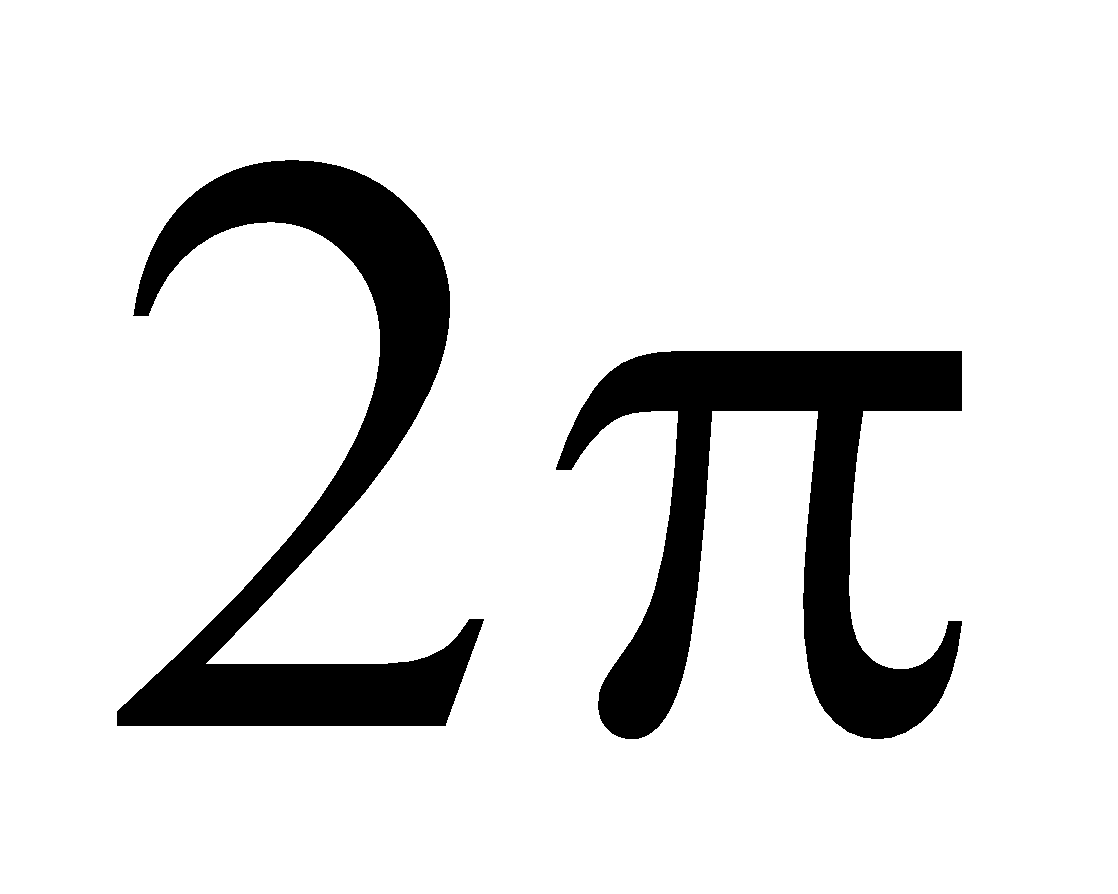
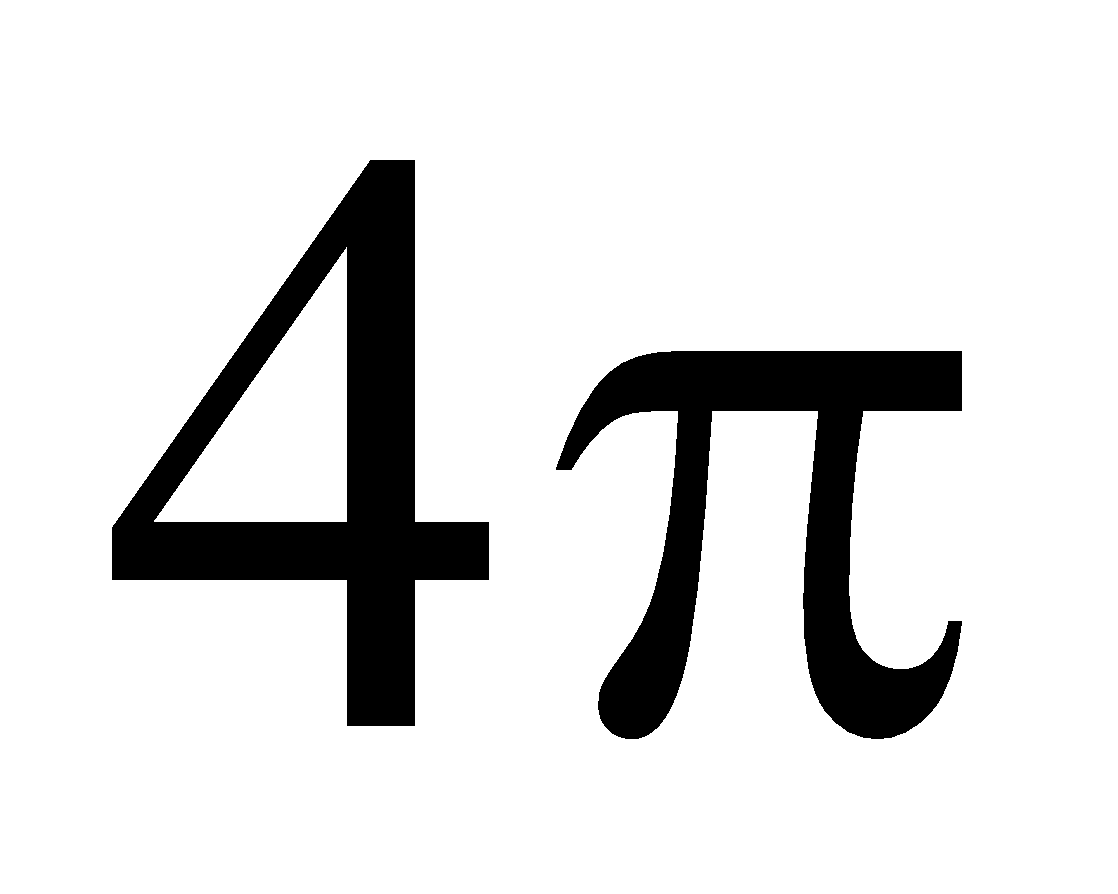
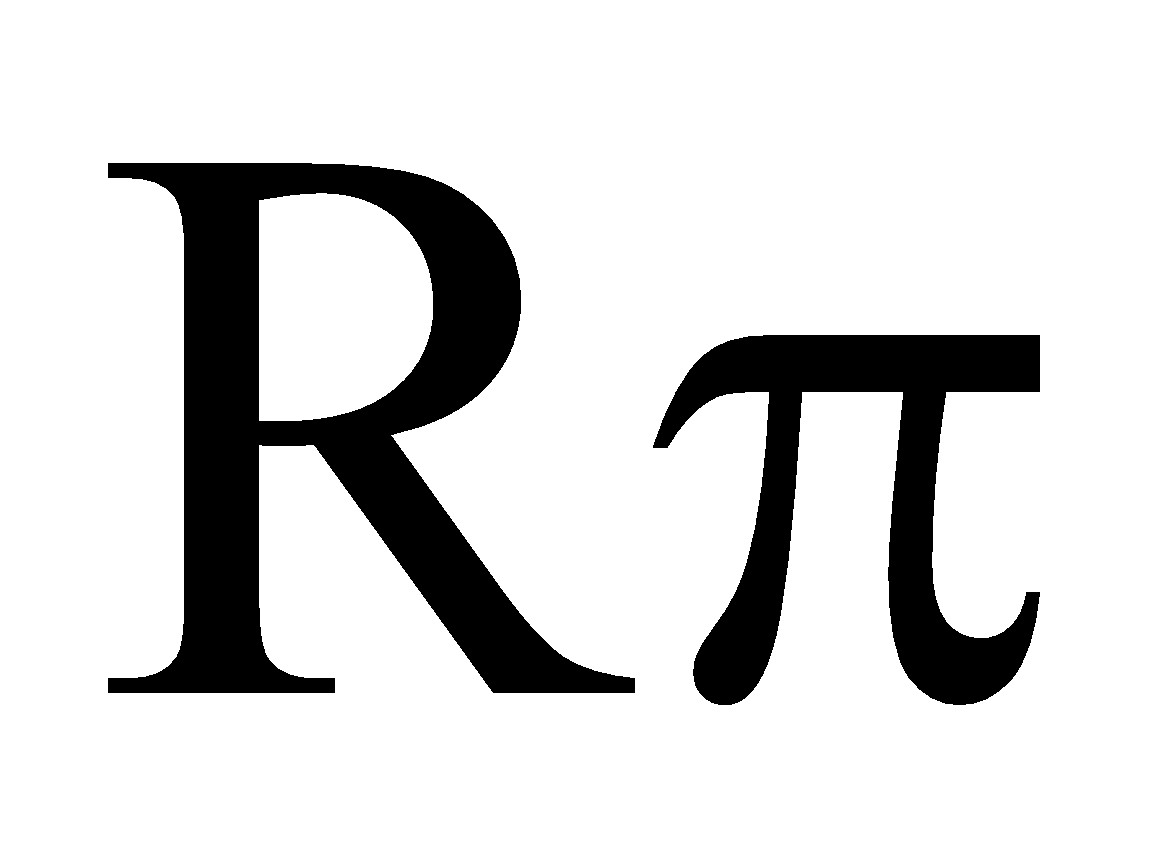
Sign in to UnlockConsider a function , where r is the distance from the origin and is the unit vector is the radial direction, the divergence of this function over a sphere of radius R, which includes the origin, is

0
Sign in to see the solution
Log in to view the explanation, track your attempts, and keep your progress.
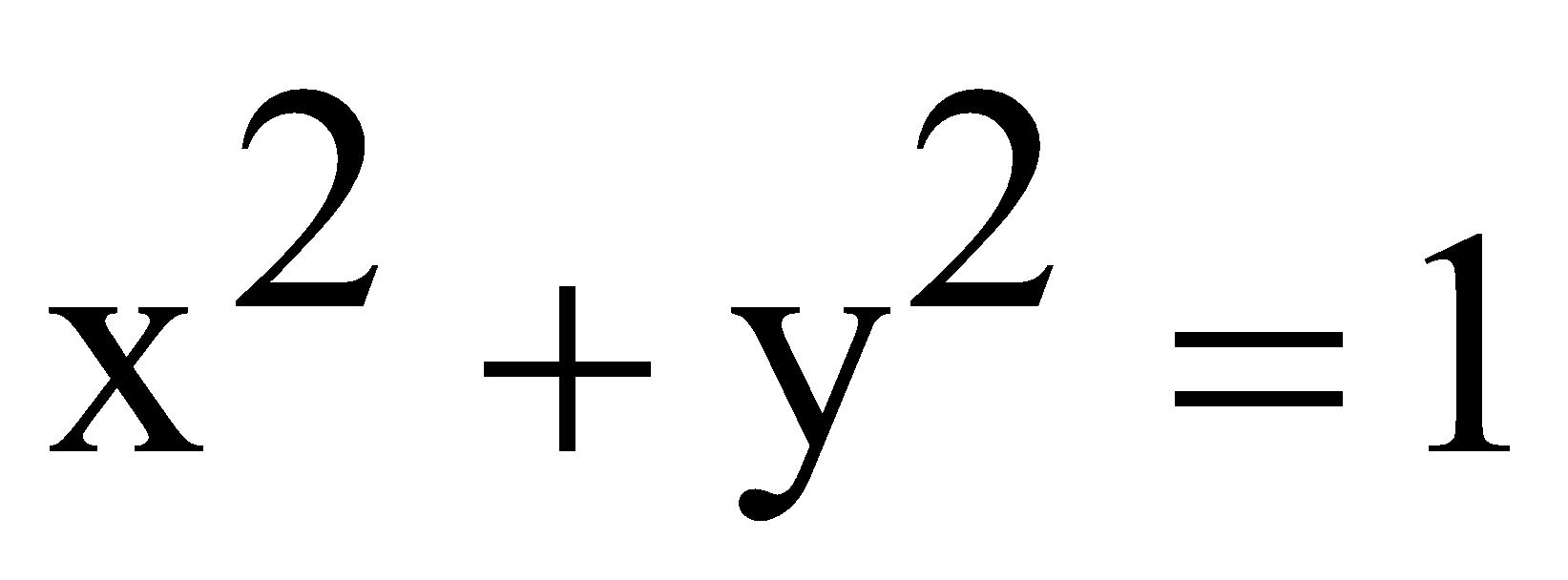
Sign in to UnlockThe line integral of function F=yzi, in the counter clockwise direction, along the circle at z = 1 is
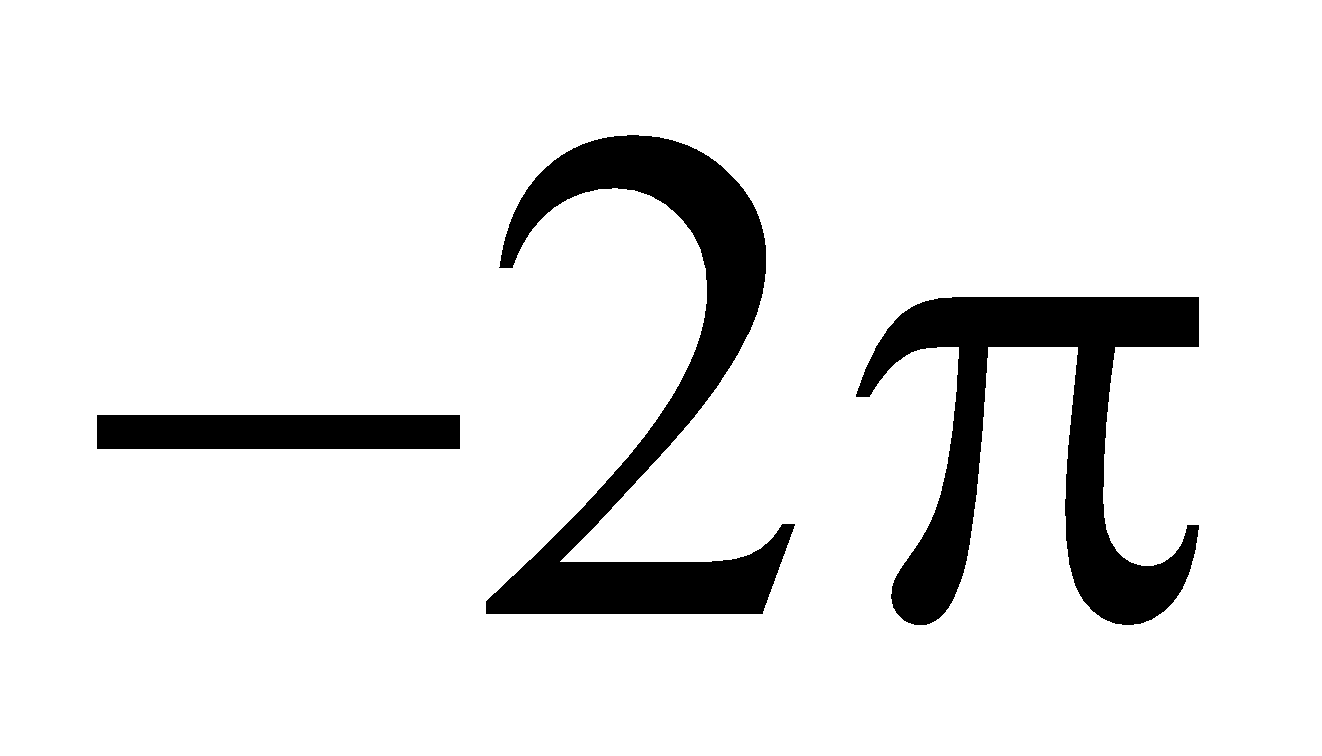
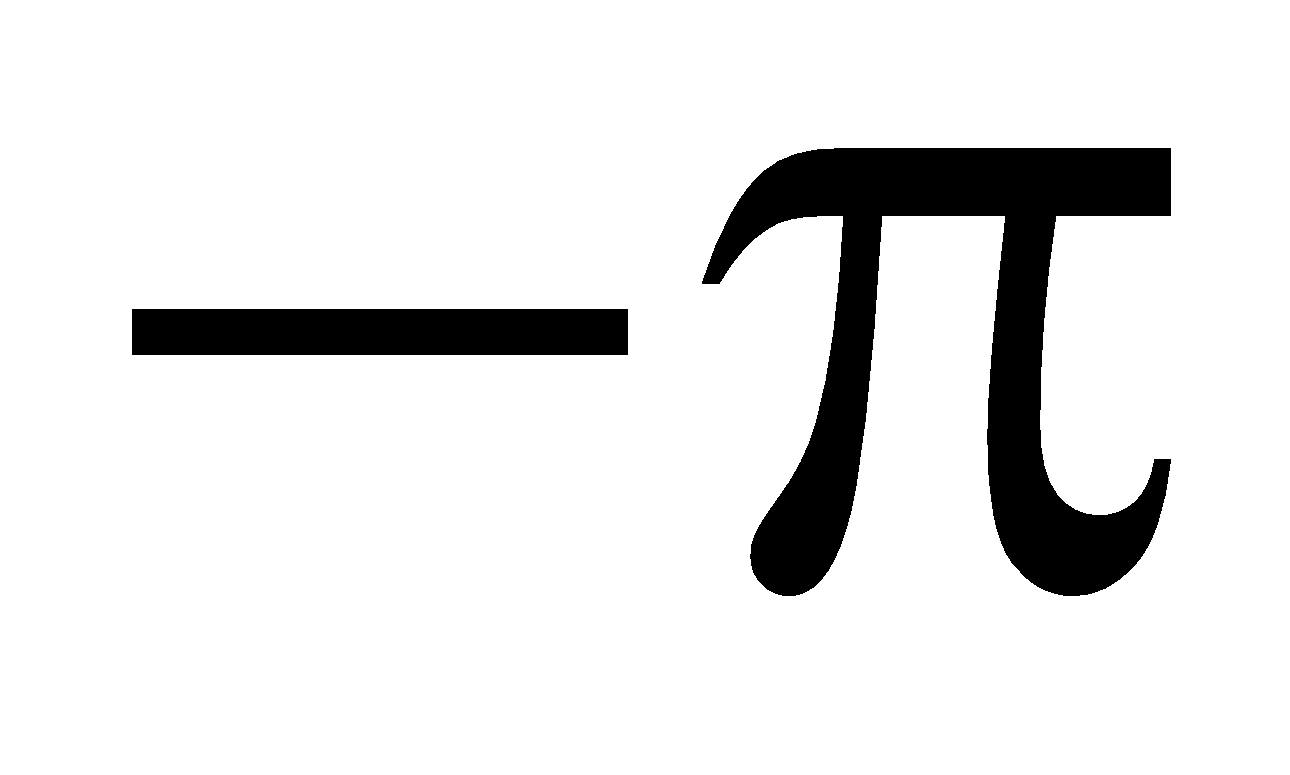
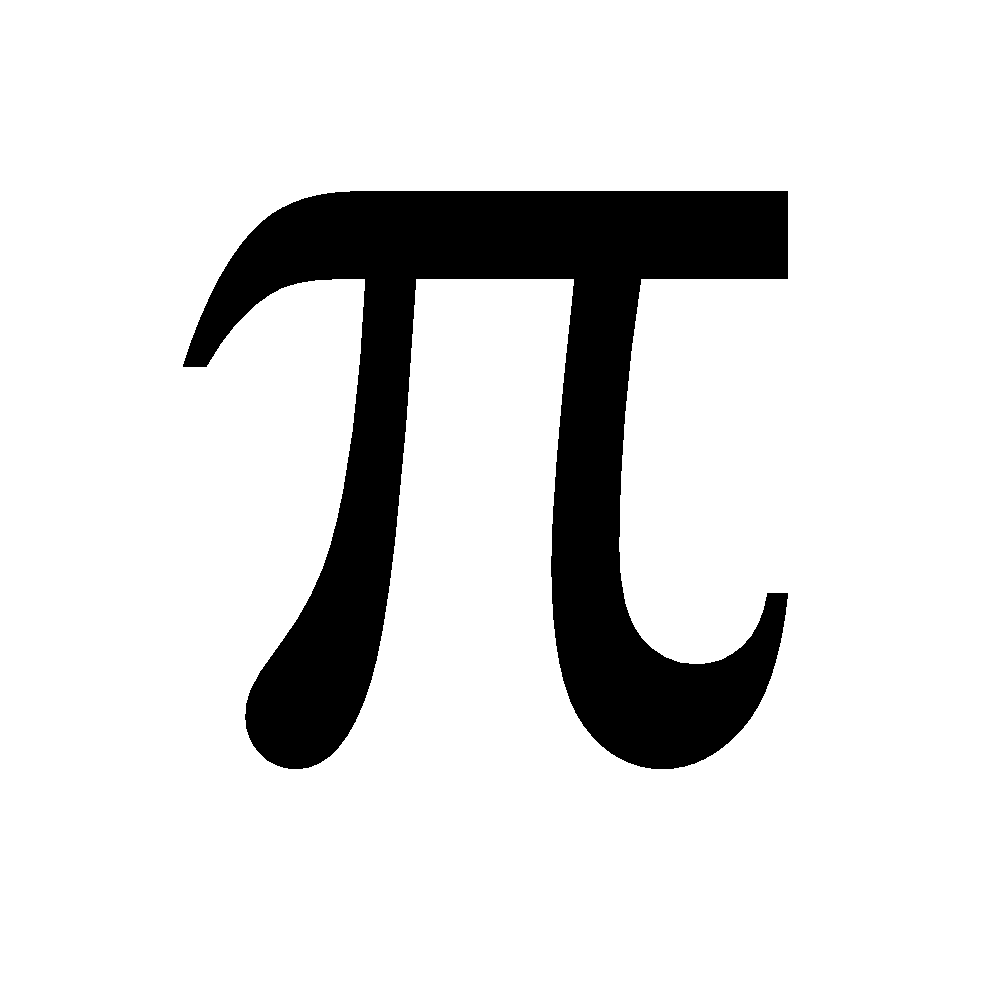
Sign in to see the solution
Log in to view the explanation, track your attempts, and keep your progress.
Sign in to UnlockLet , where f and v are scalar and vector fields respectively. If , then is

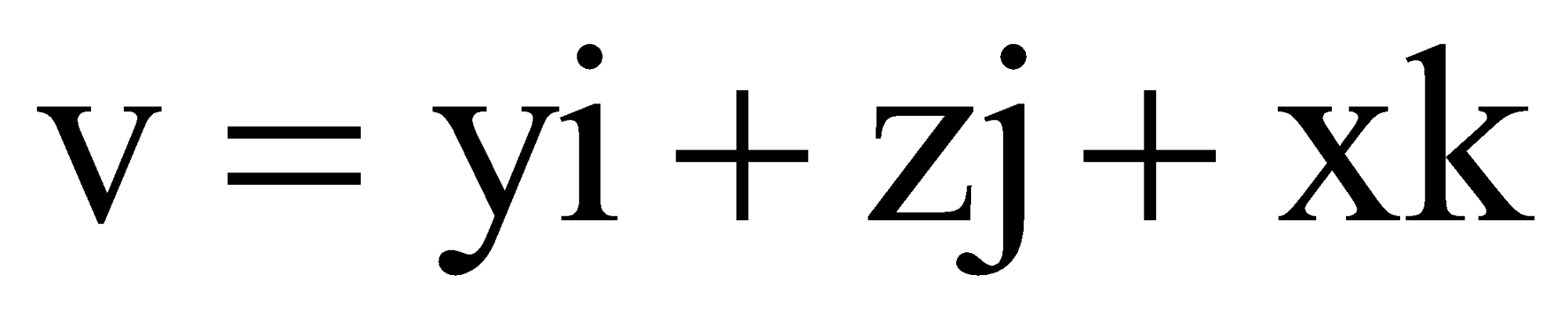
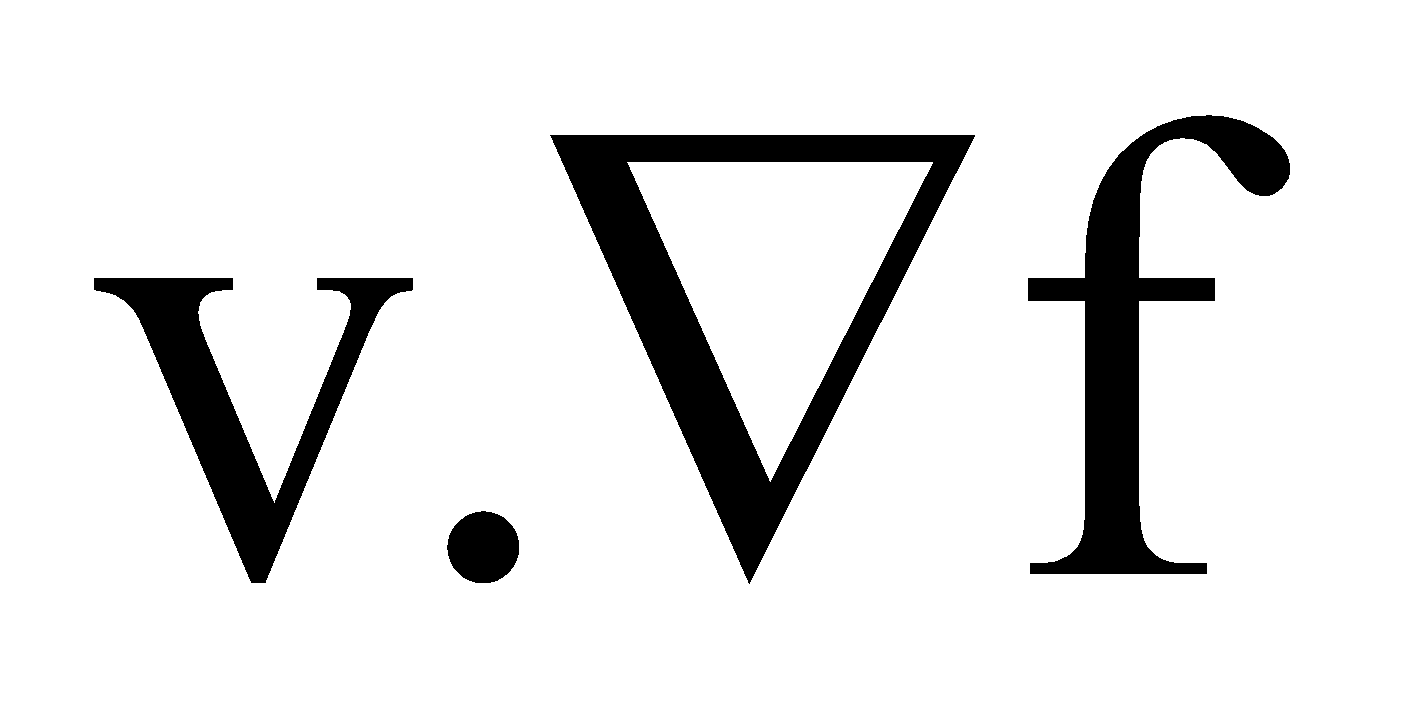
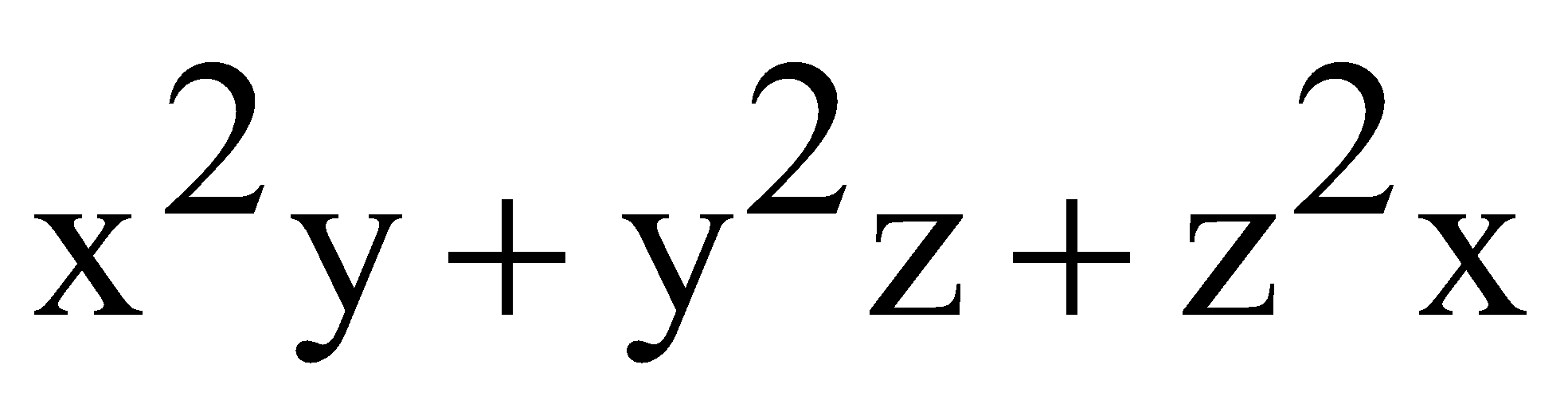
2xy + 2yz + 2zx
x + y + z
0
Sign in to see the solution
Log in to view the explanation, track your attempts, and keep your progress.
Sign in to UnlockThe curl of the gradient of the scalar field defined by is


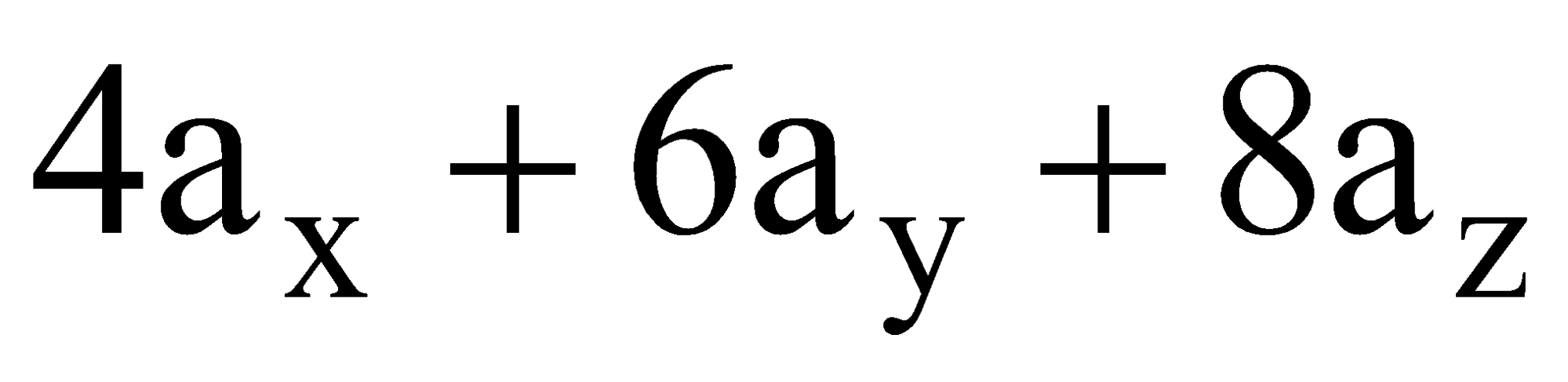

0
Sign in to see the solution
Log in to view the explanation, track your attempts, and keep your progress.
Sign in to UnlockGiven a vector field , the line integral ∫F.dl evaluated along a segment on the x-axis from x=1 to x=2 is

Sign in to see the solution
Log in to view the explanation, track your attempts, and keep your progress.
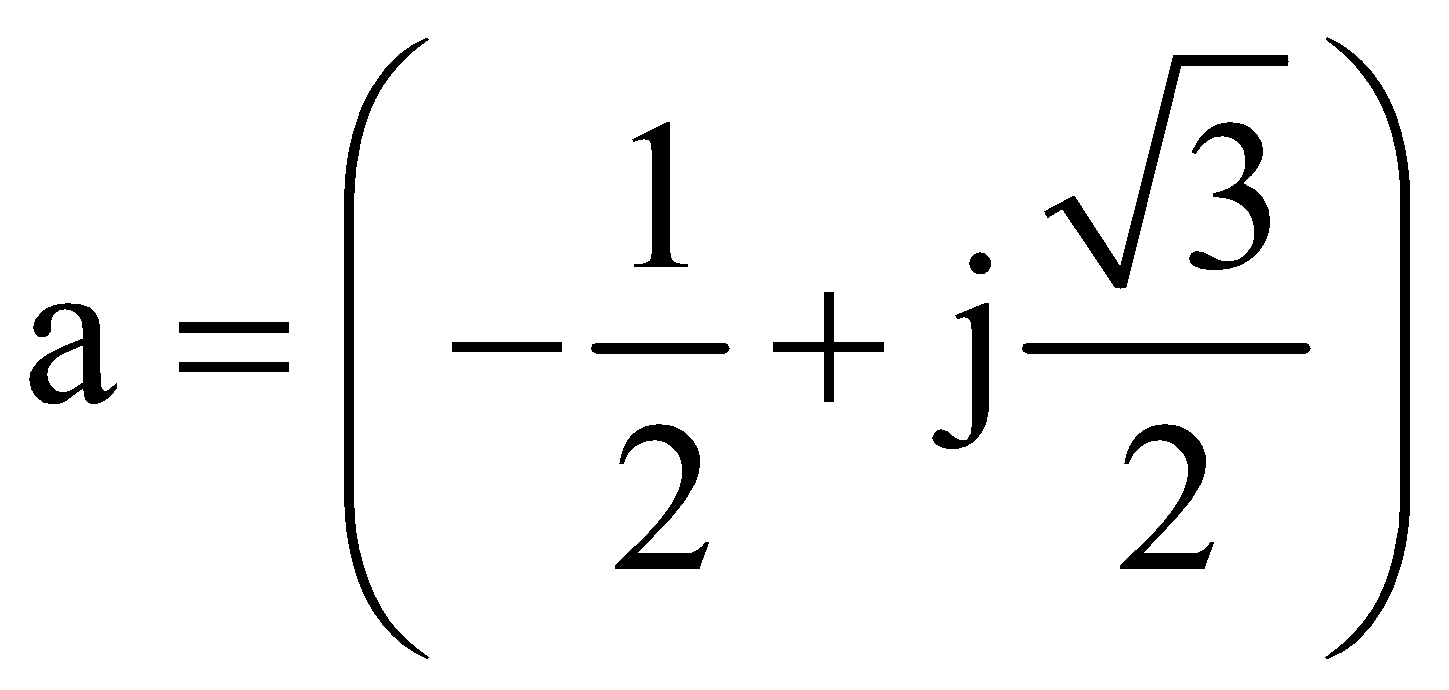
Sign in to UnlockThe two vectors [1, 1, 1] and , where , are
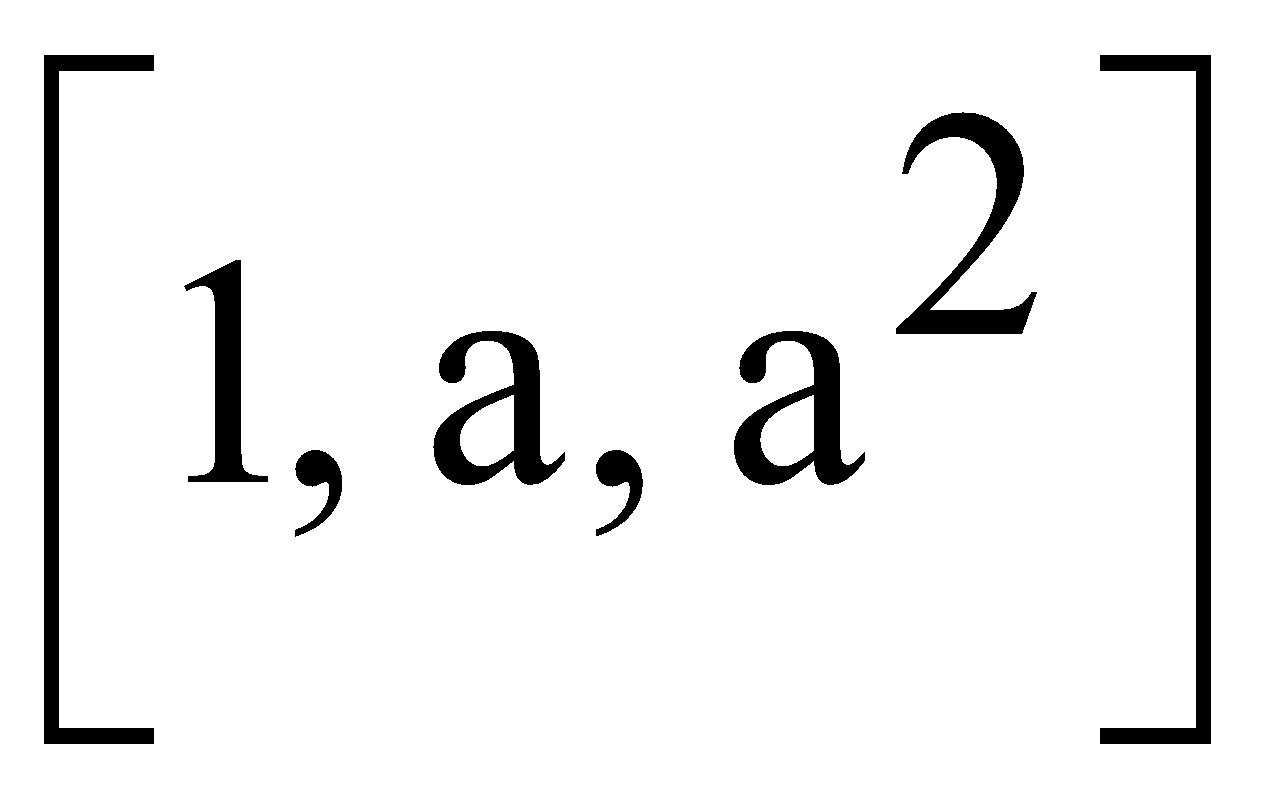
Sign in to see the solution
Log in to view the explanation, track your attempts, and keep your progress.
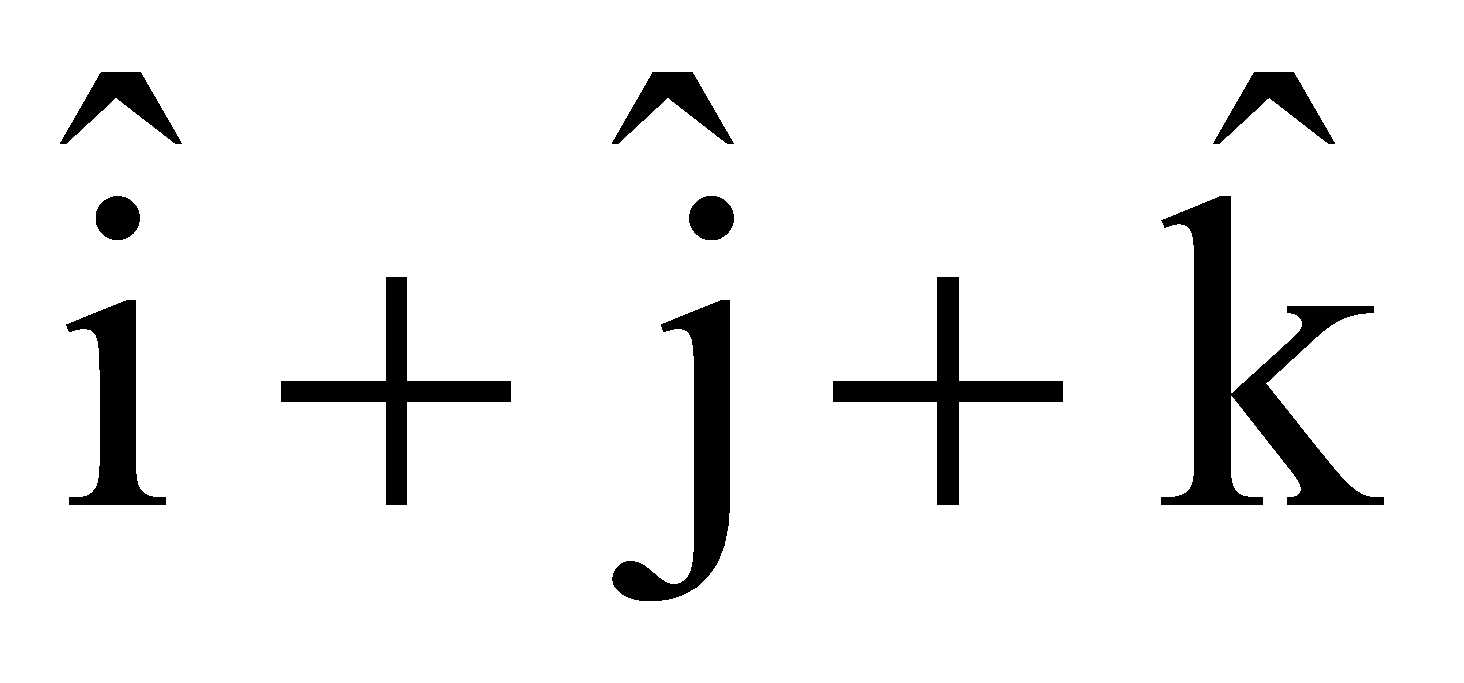
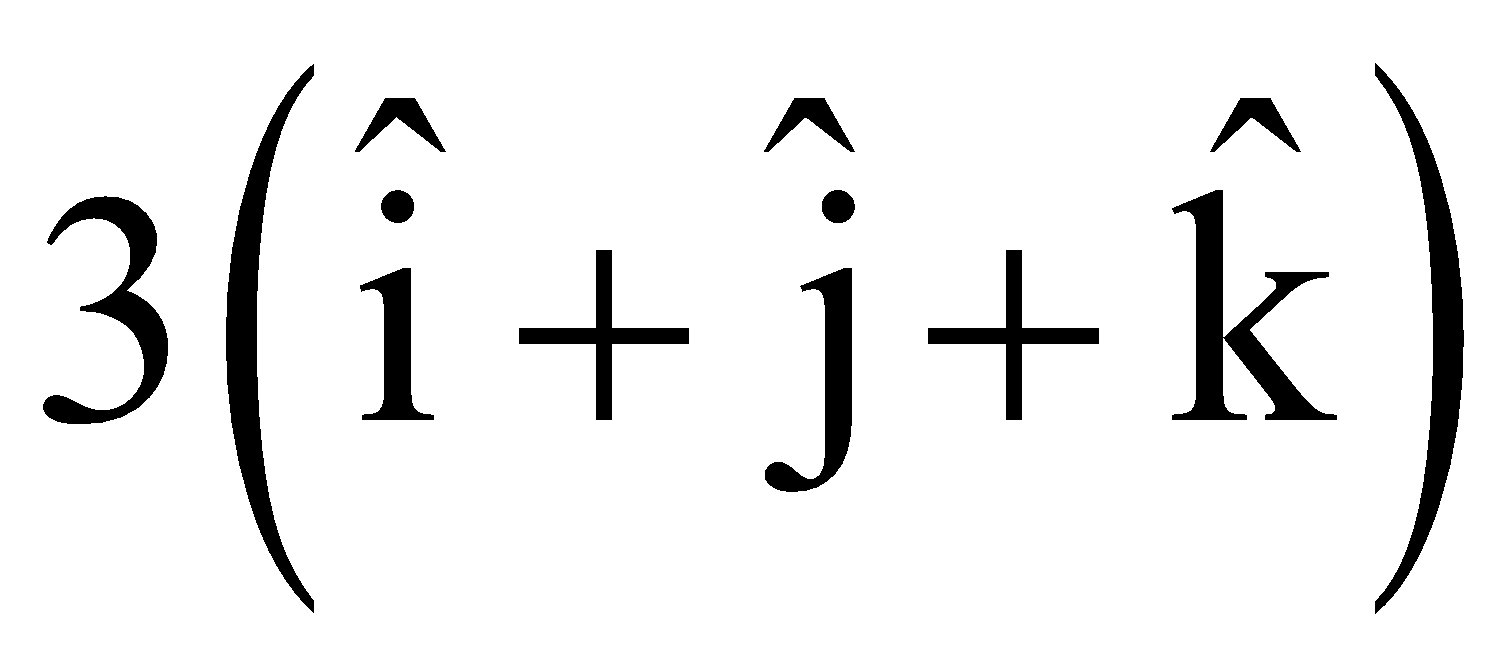
Sign in to UnlockDivergence of the three-dimensional radial vector field is
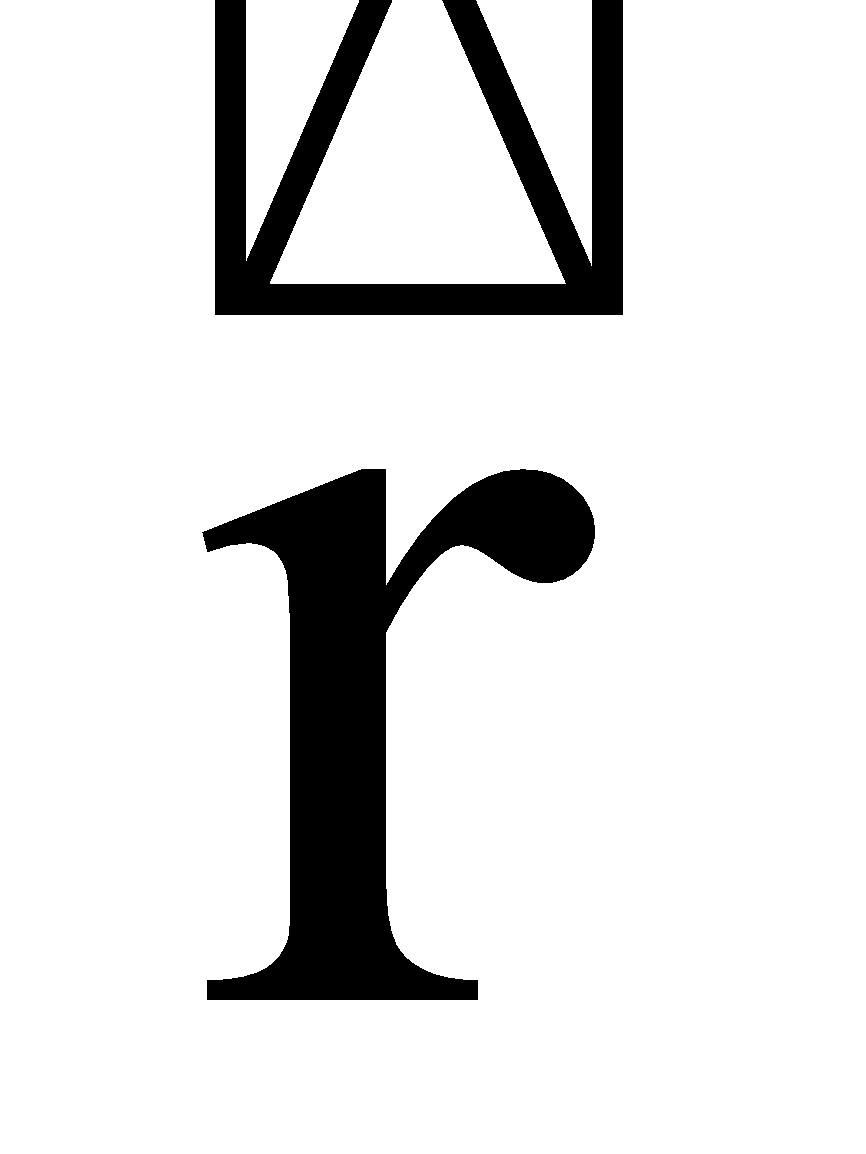
3
1/r
Sign in to see the solution
Log in to view the explanation, track your attempts, and keep your progress.
Sign in to UnlockIt's line integral over the straight line from evaluates to


Sign in to see the solution
Log in to view the explanation, track your attempts, and keep your progress.
Sign in to UnlockDivergence of the vector field
is
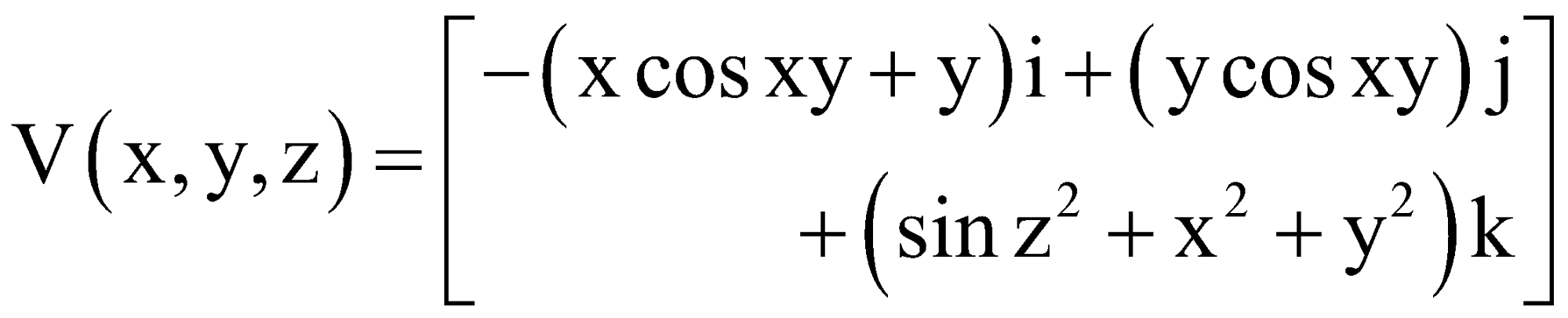
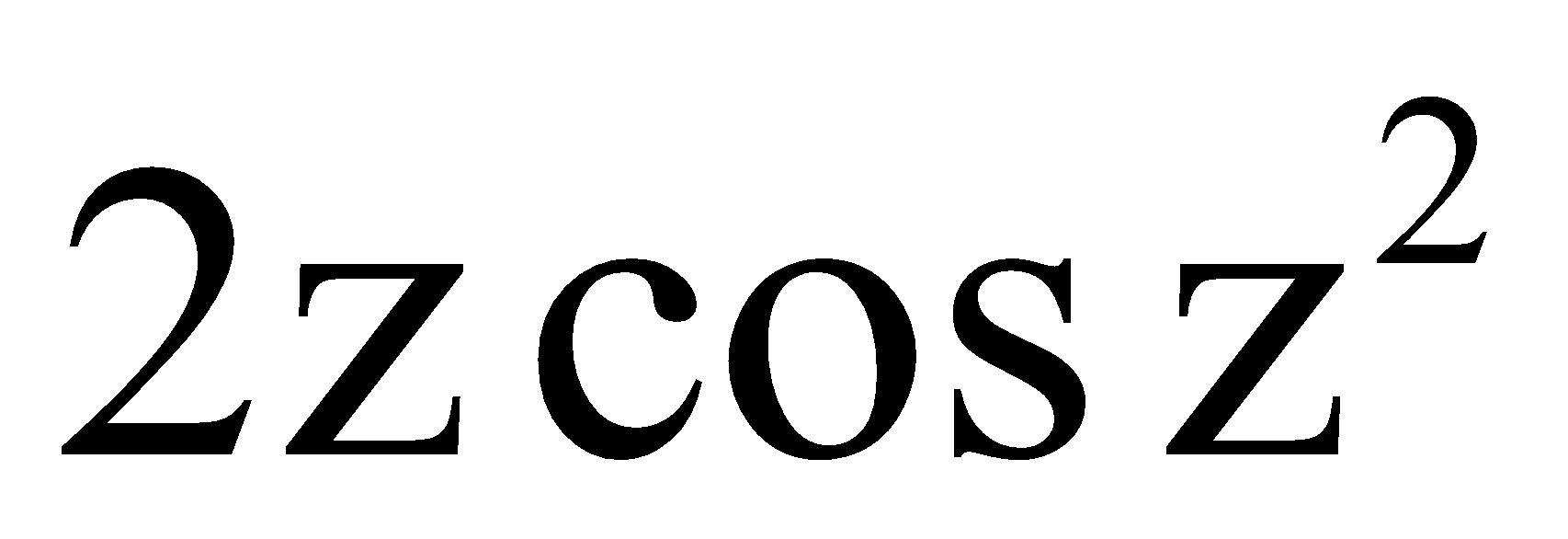
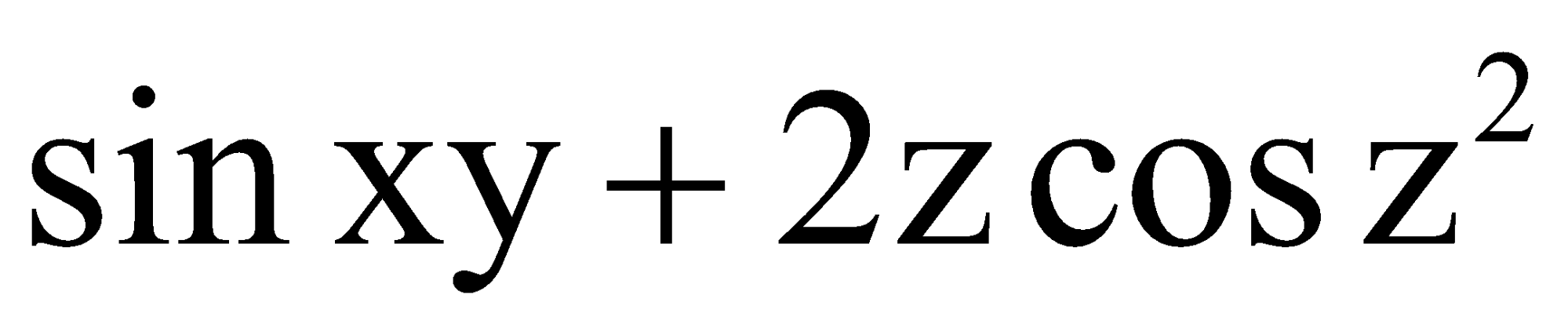
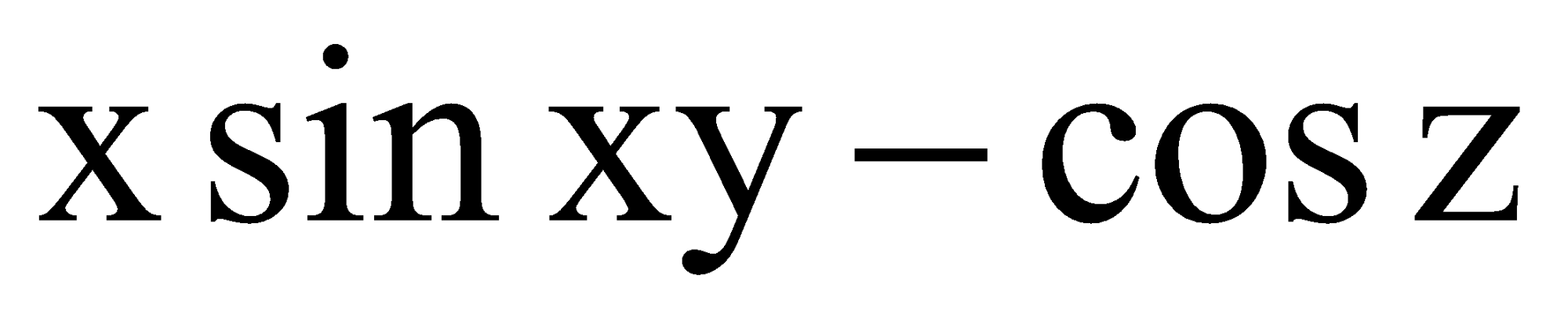
None of these
Sign in to see the solution
Log in to view the explanation, track your attempts, and keep your progress.
Sign in to UnlockA surface S(x, y) = 2x + 5y − 3 is integrated once over a path consisting of the points that satisfy. The integral evaluates to

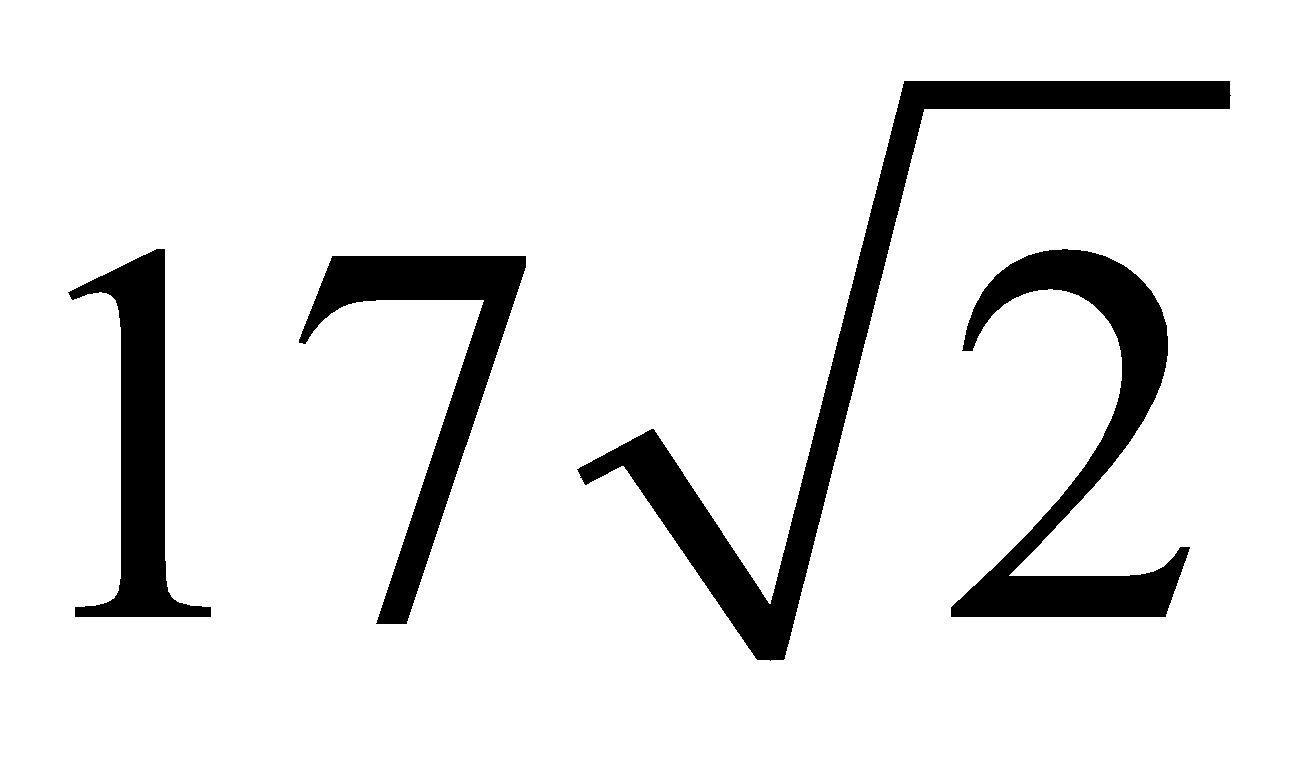
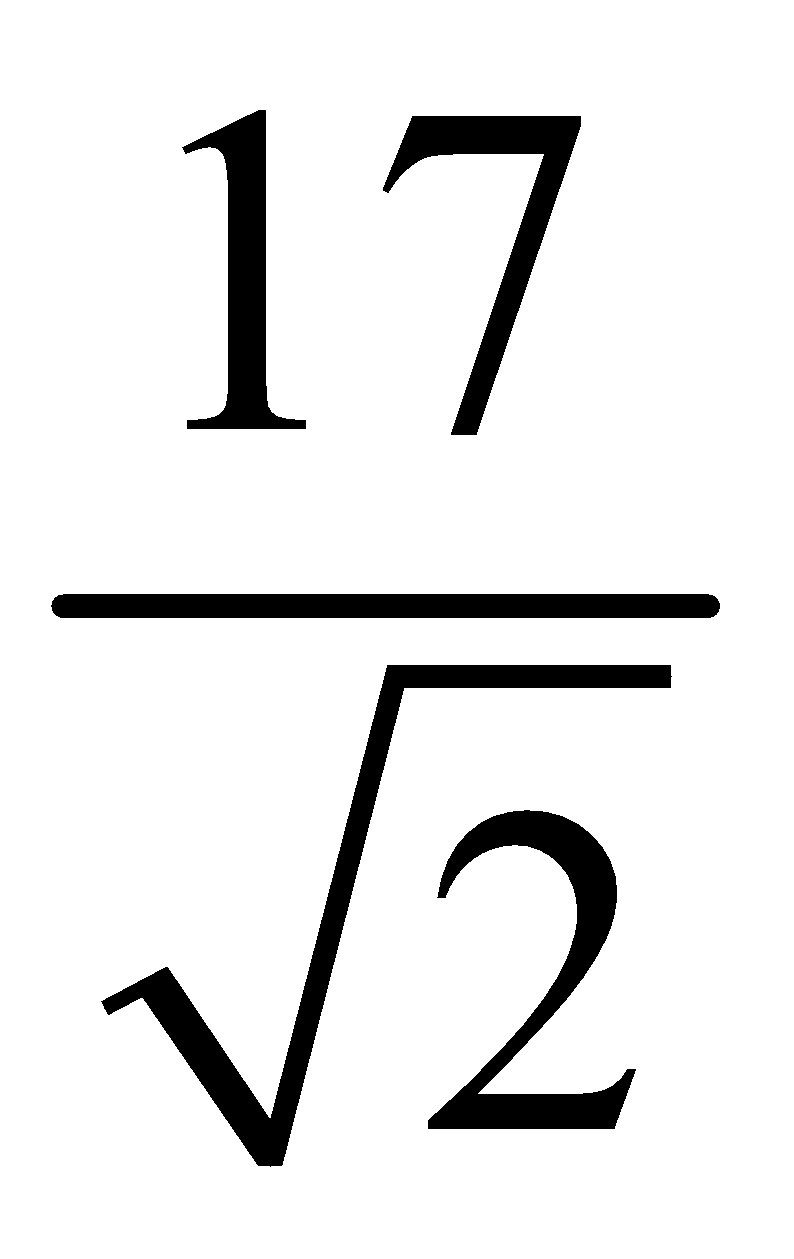
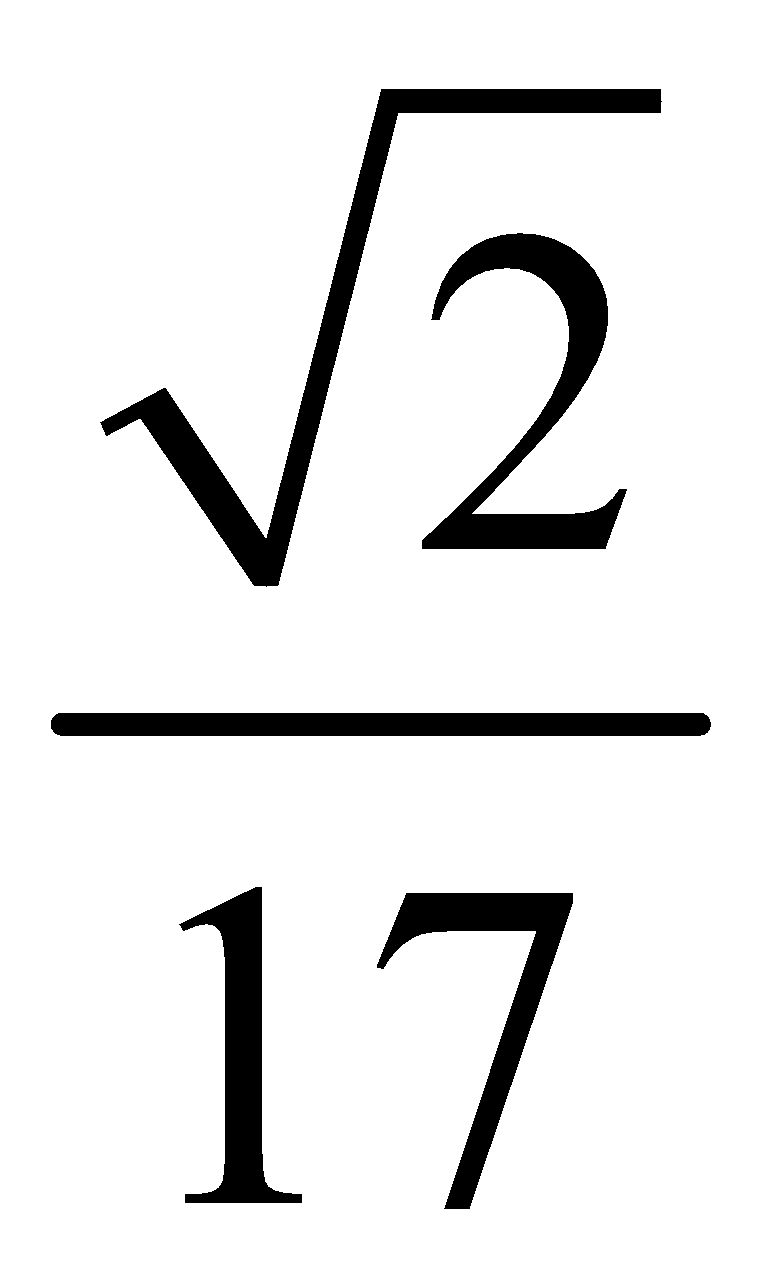
0
Sign in to see the solution
Log in to view the explanation, track your attempts, and keep your progress.
Sign in to UnlockFor the scalar field , the magnitude of the gradient at the point (1,3) is:
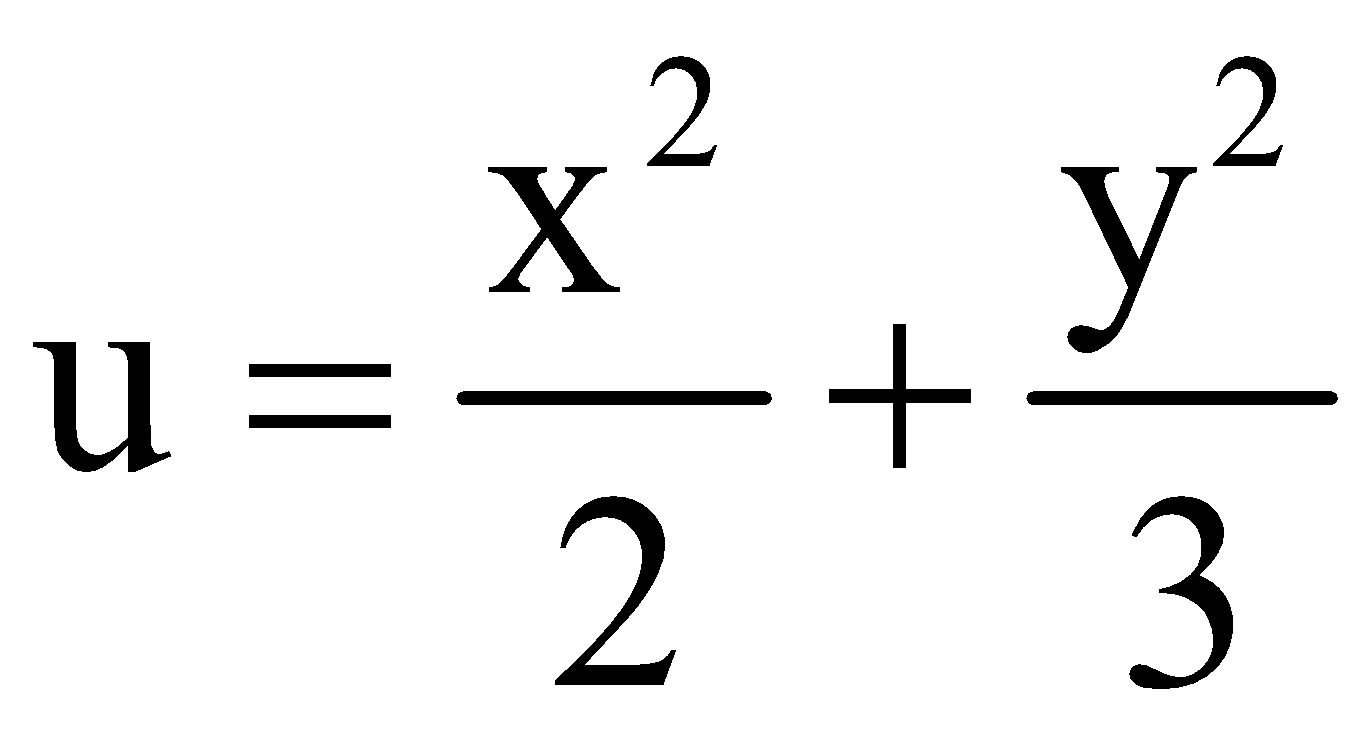
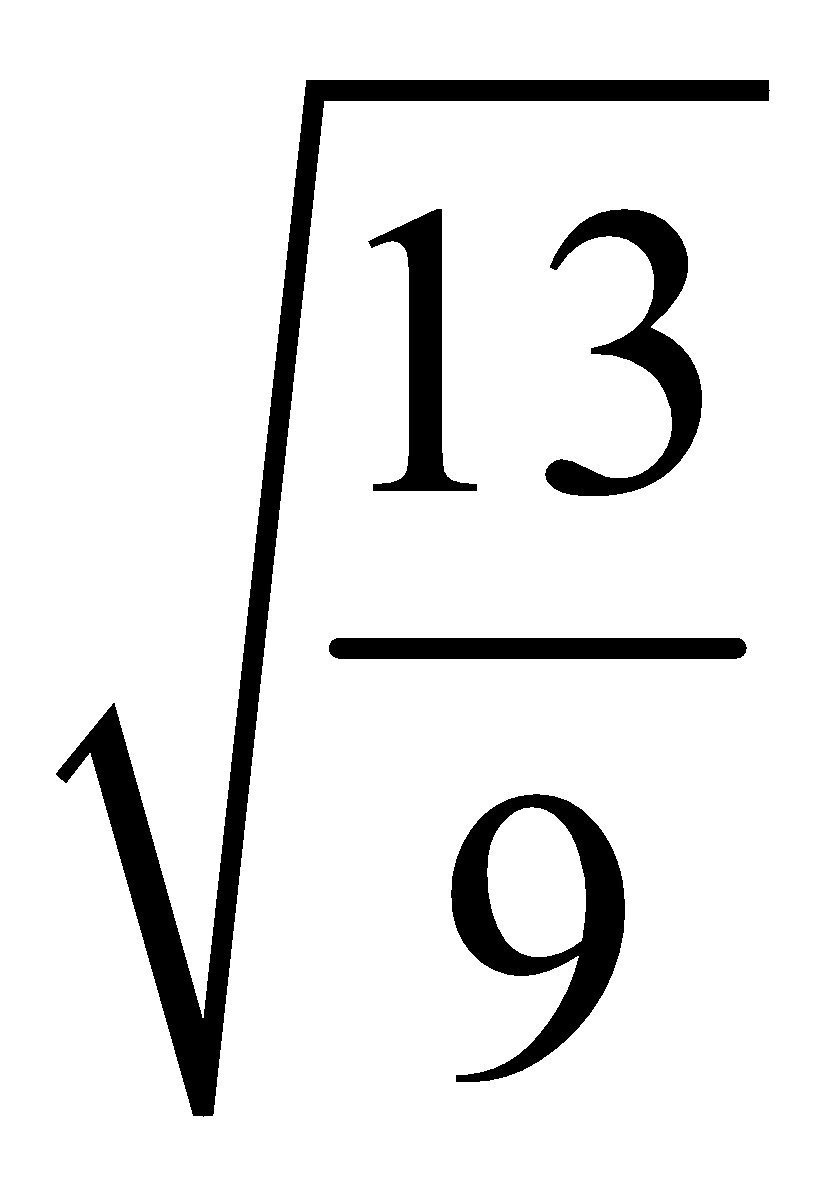
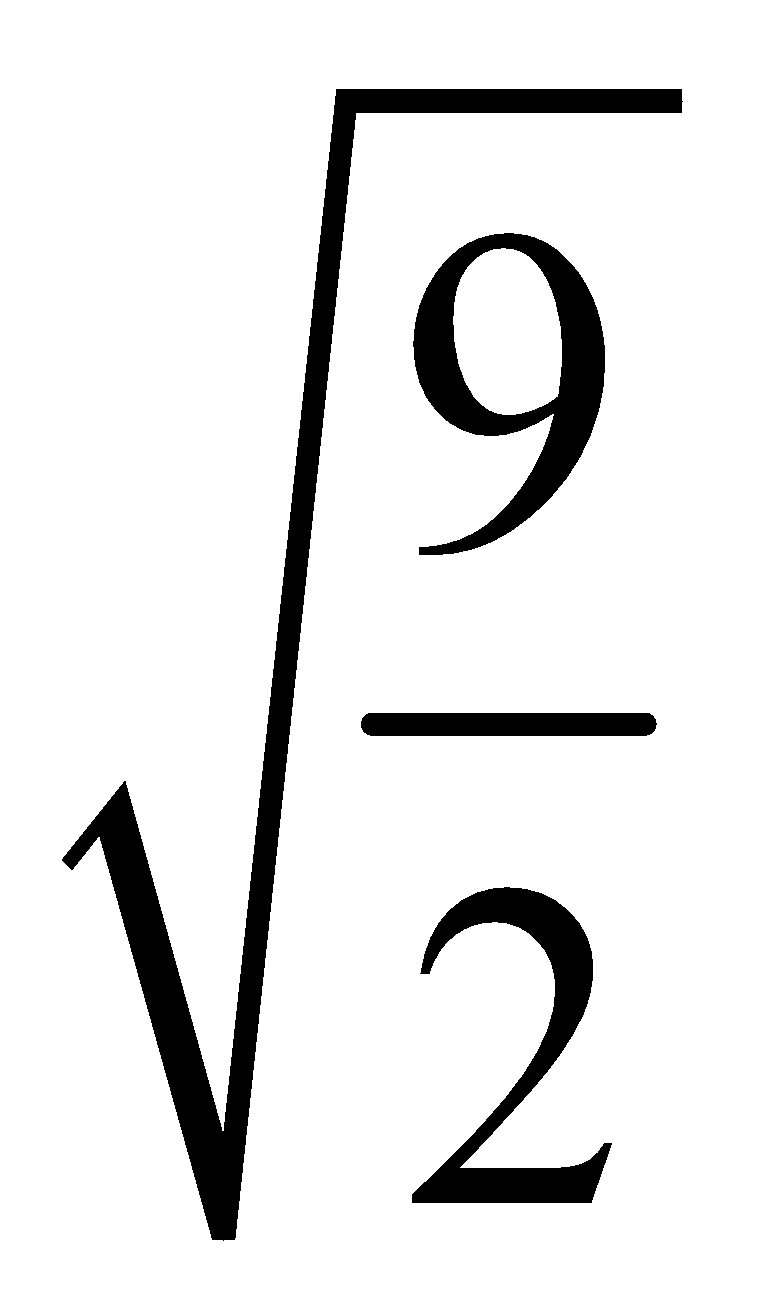
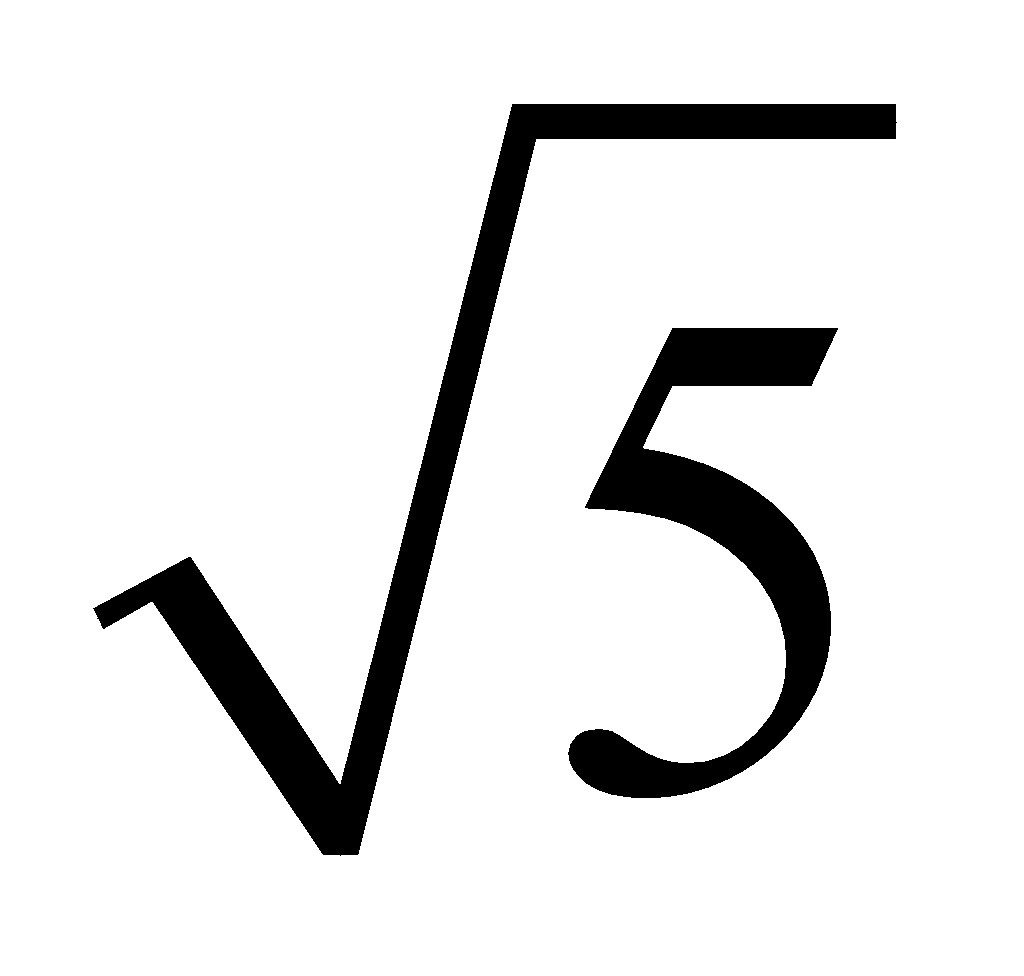
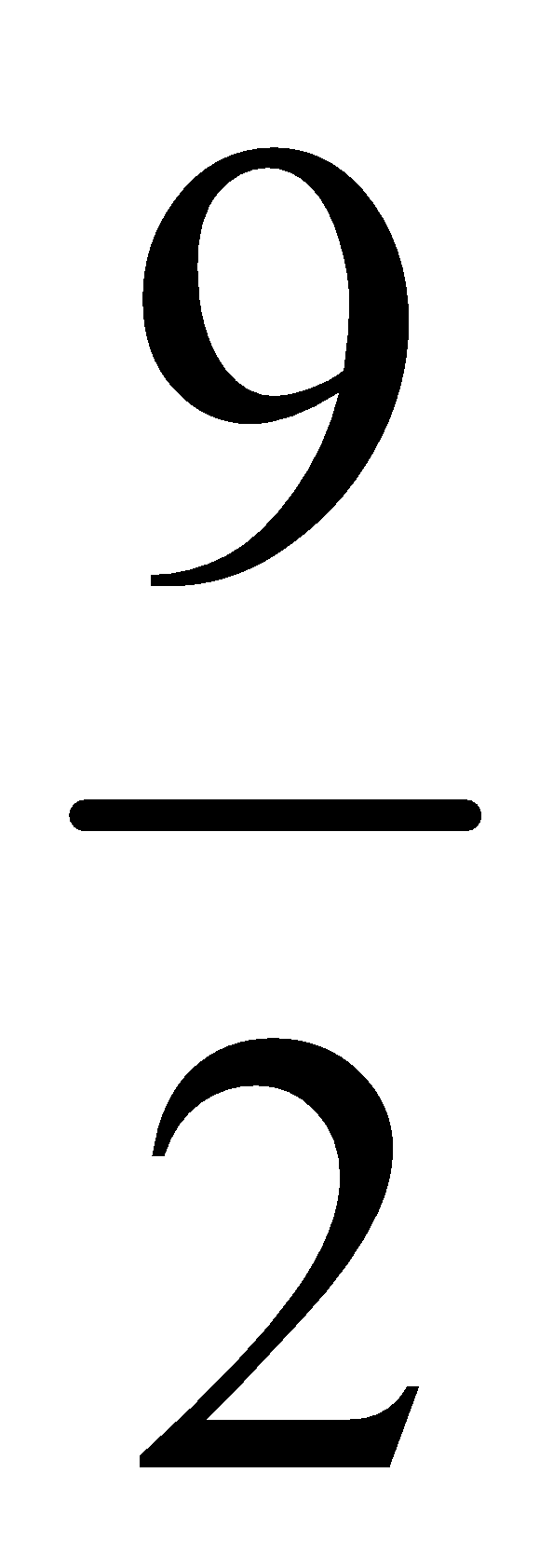
Sign in to see the solution
Log in to view the explanation, track your attempts, and keep your progress.
Sign in to Unlock