Signals and Systems
Laplace Transform
Practice questions from Laplace Transform.
22
Total0
Attempted0
Correct0
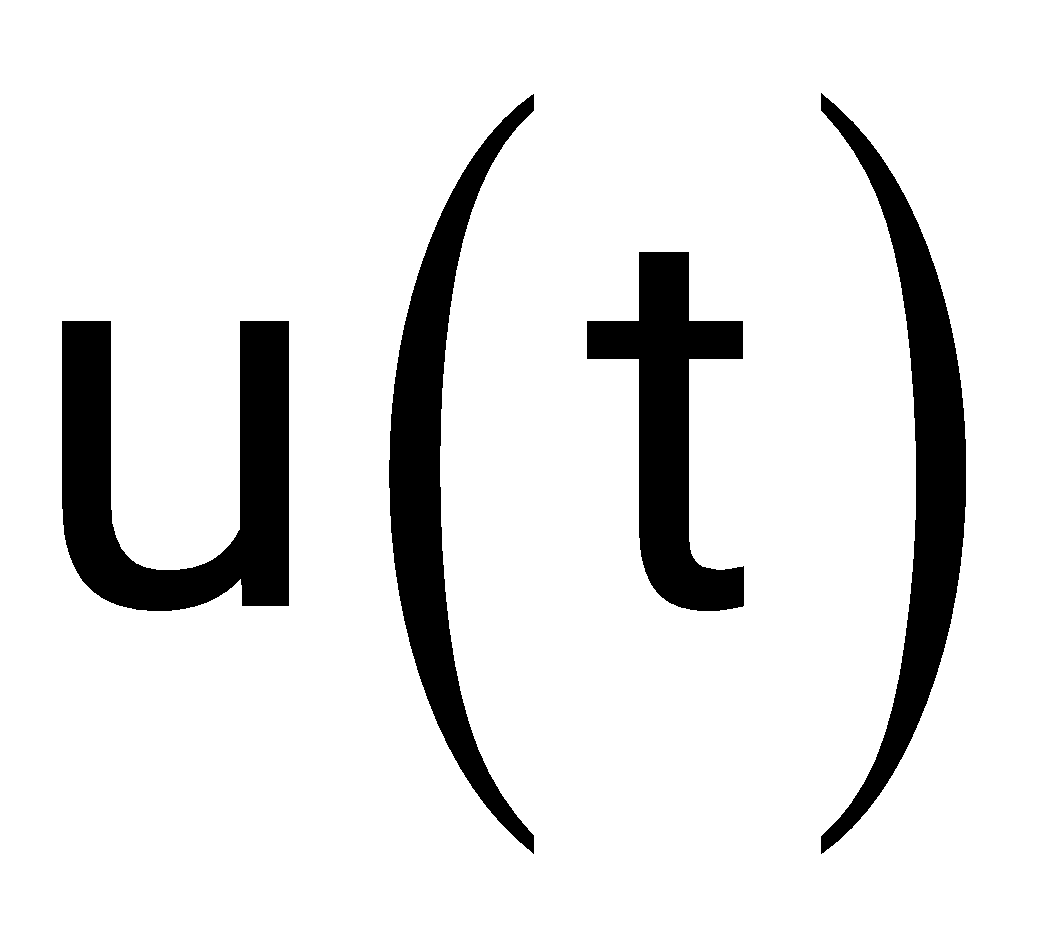
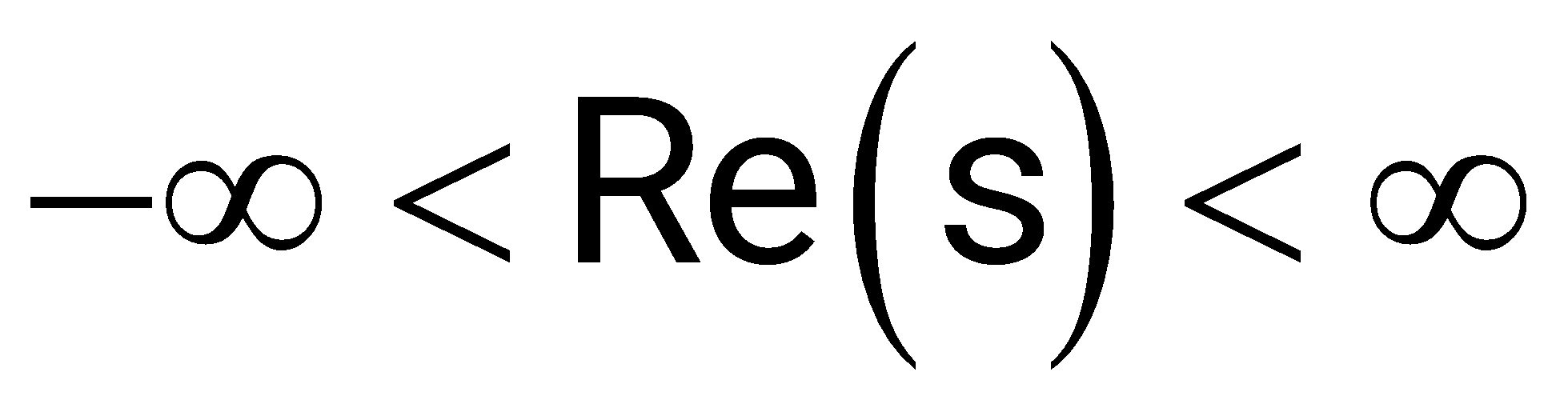
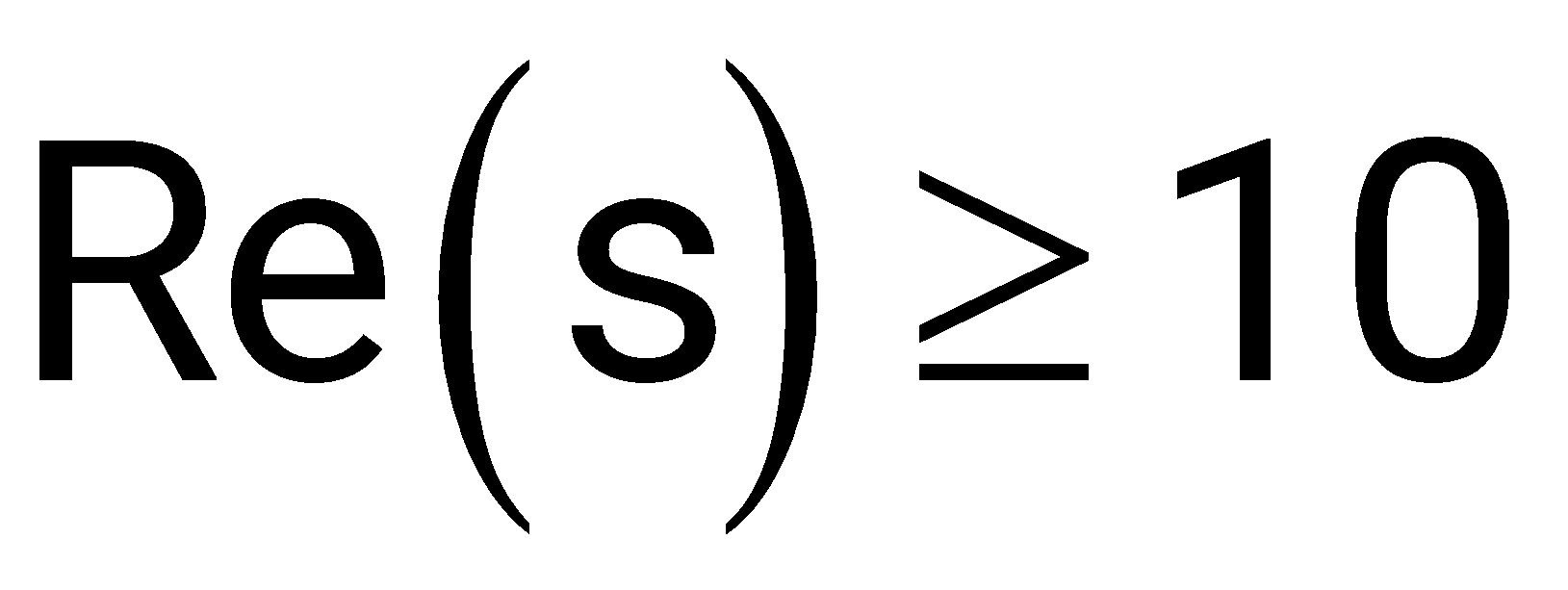
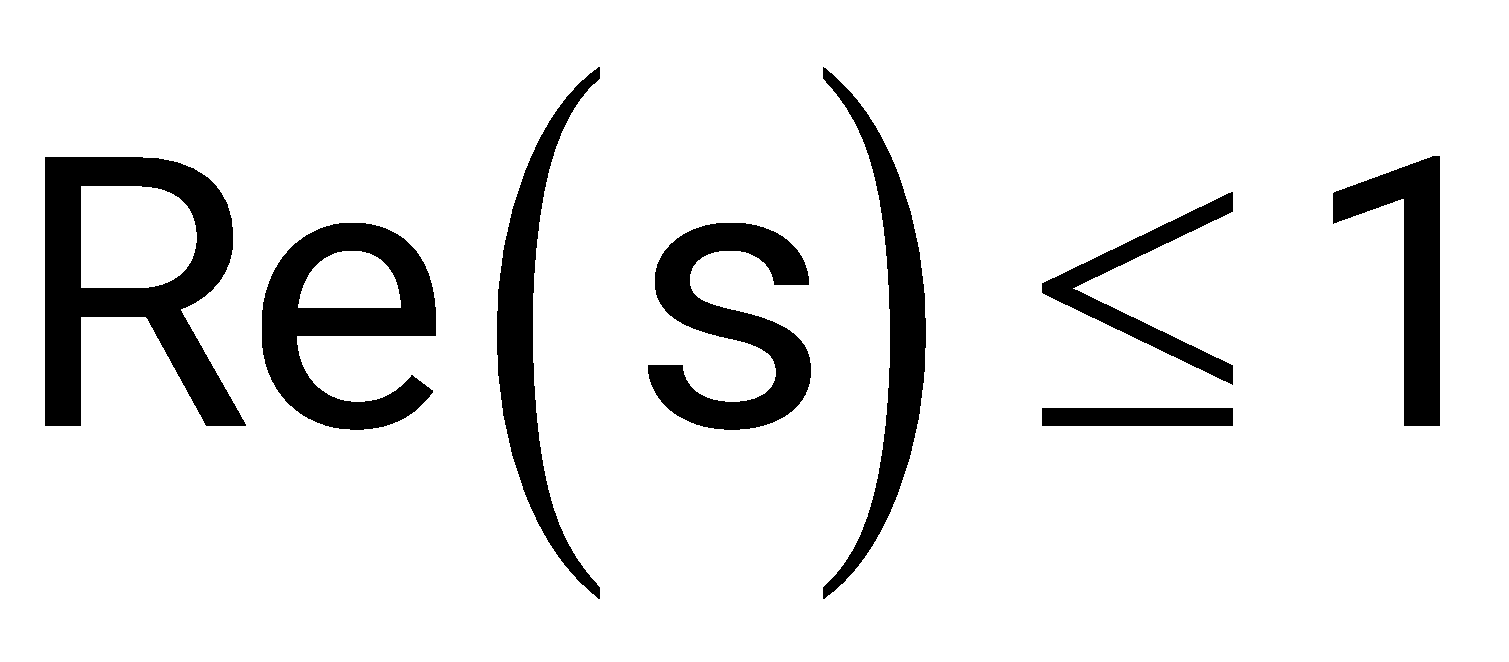
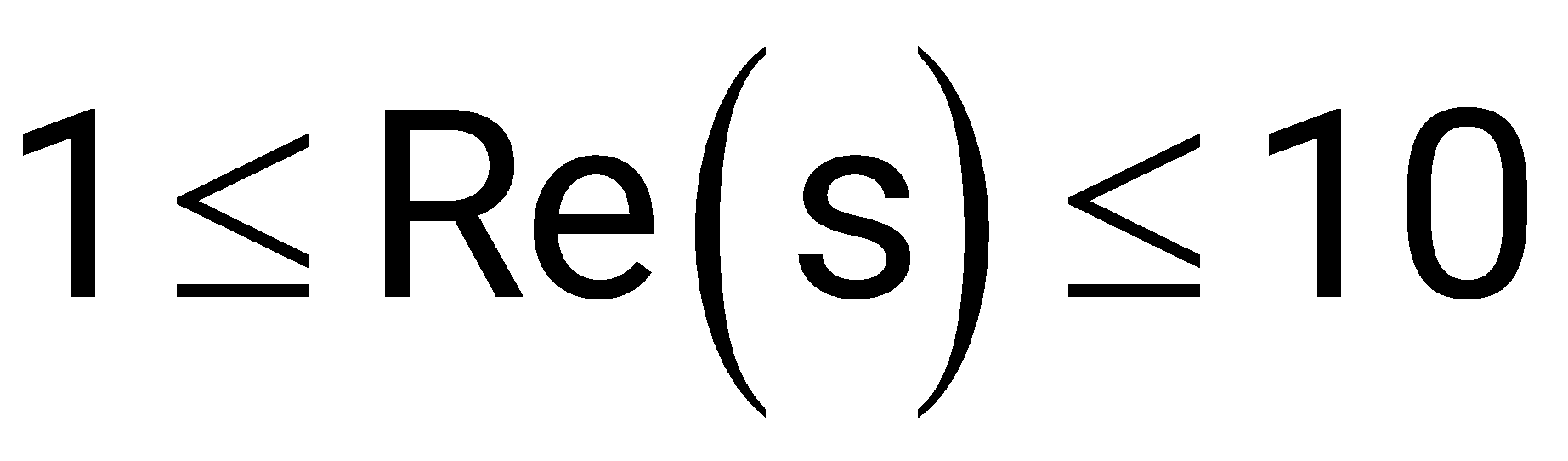
IncorrectIf is the unit step function, then the region of convergence (ROC) of the Laplace transform of the signal is

Sign in to see the solution
Log in to view the explanation, track your attempts, and keep your progress.
Sign in to UnlockWhich of the following statements is true about the two sided Laplace transform?
Sign in to see the solution
Log in to view the explanation, track your attempts, and keep your progress.
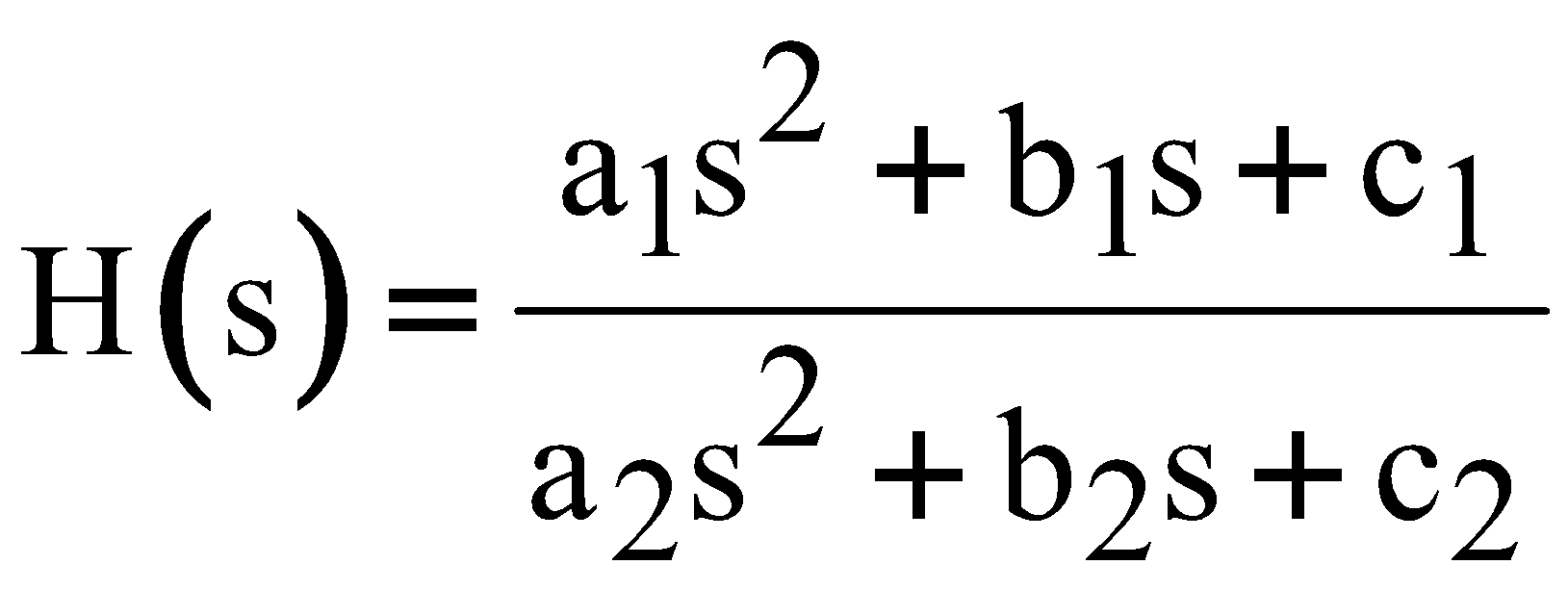
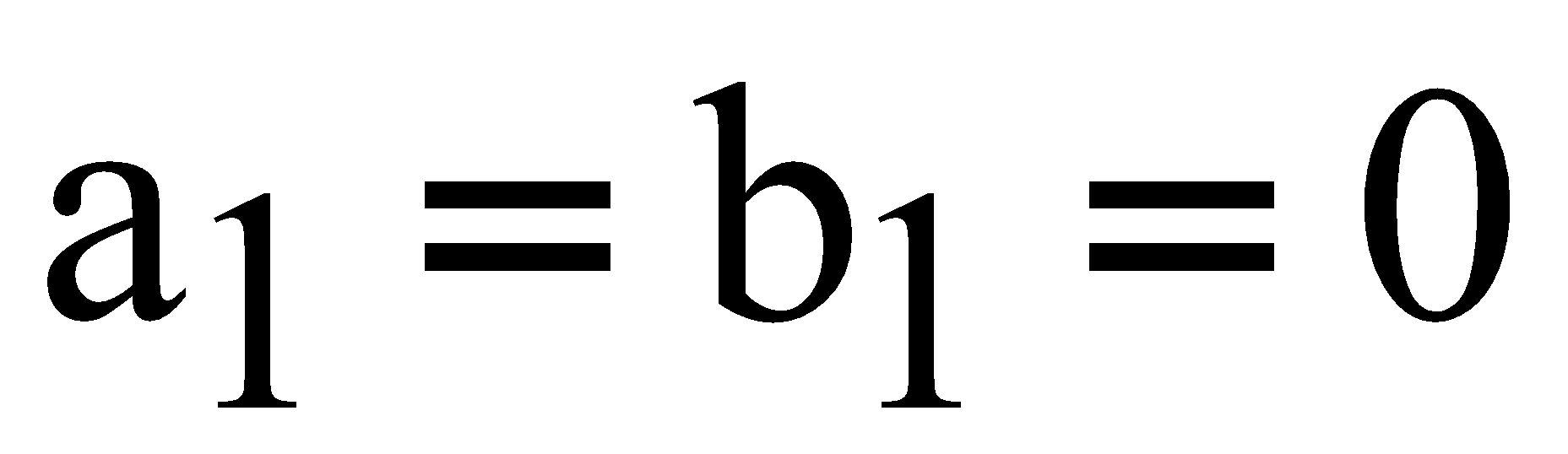
Sign in to UnlockA system transfer function is . If , and all other coefficients are positive, the transfer function represents a
Sign in to see the solution
Log in to view the explanation, track your attempts, and keep your progress.
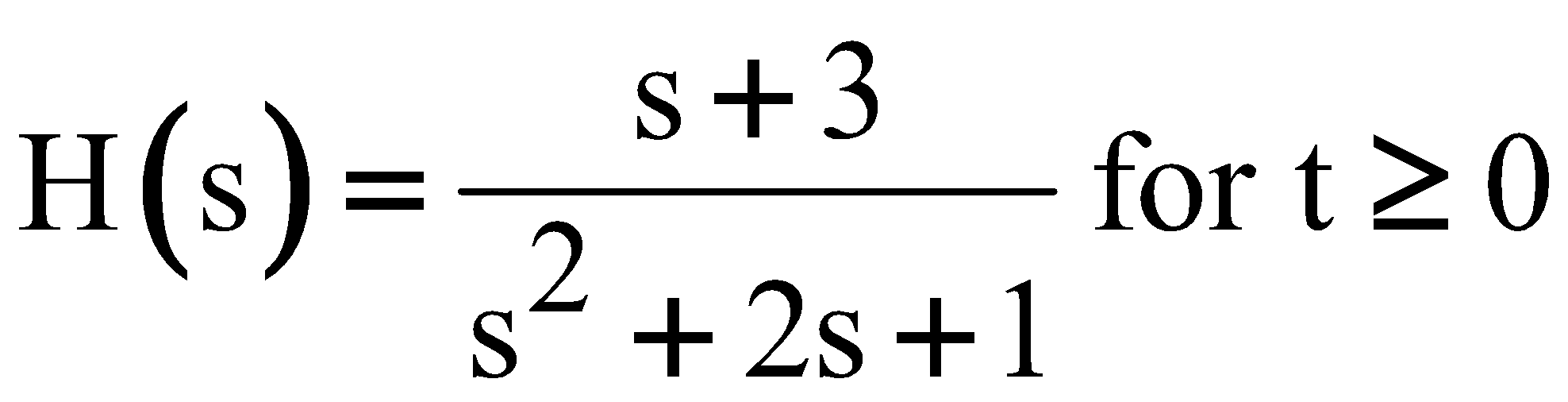
Sign in to UnlockThe inverse Laplace transform of
is
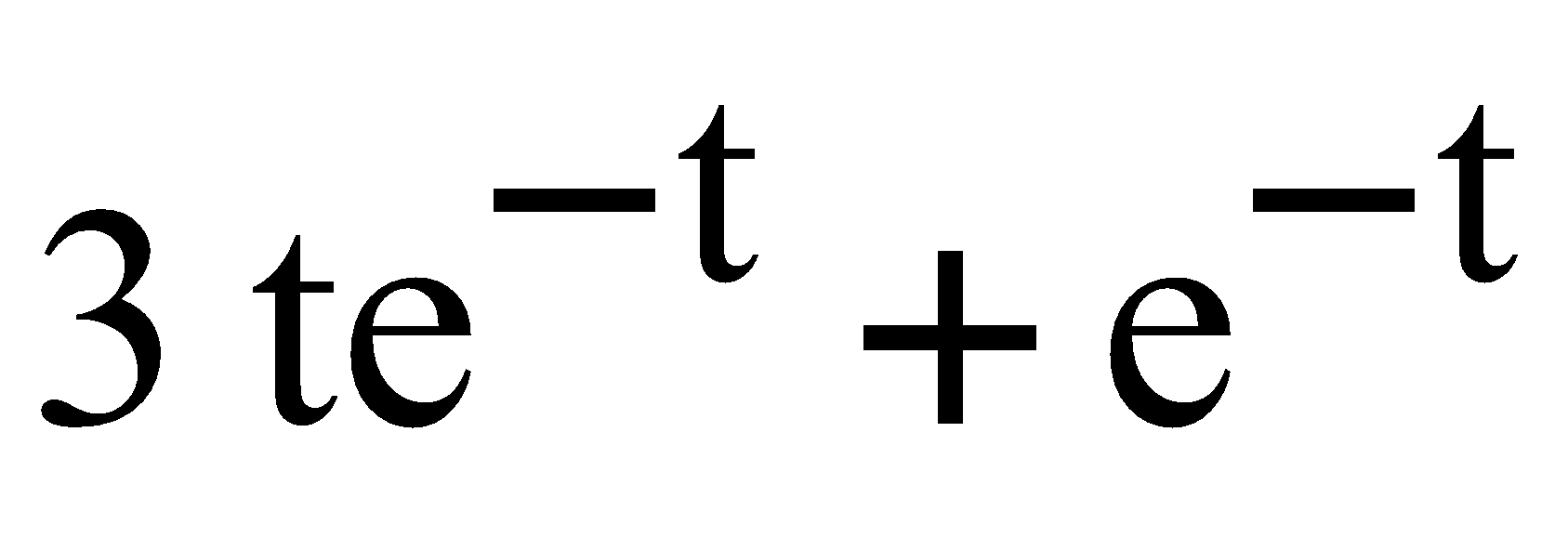
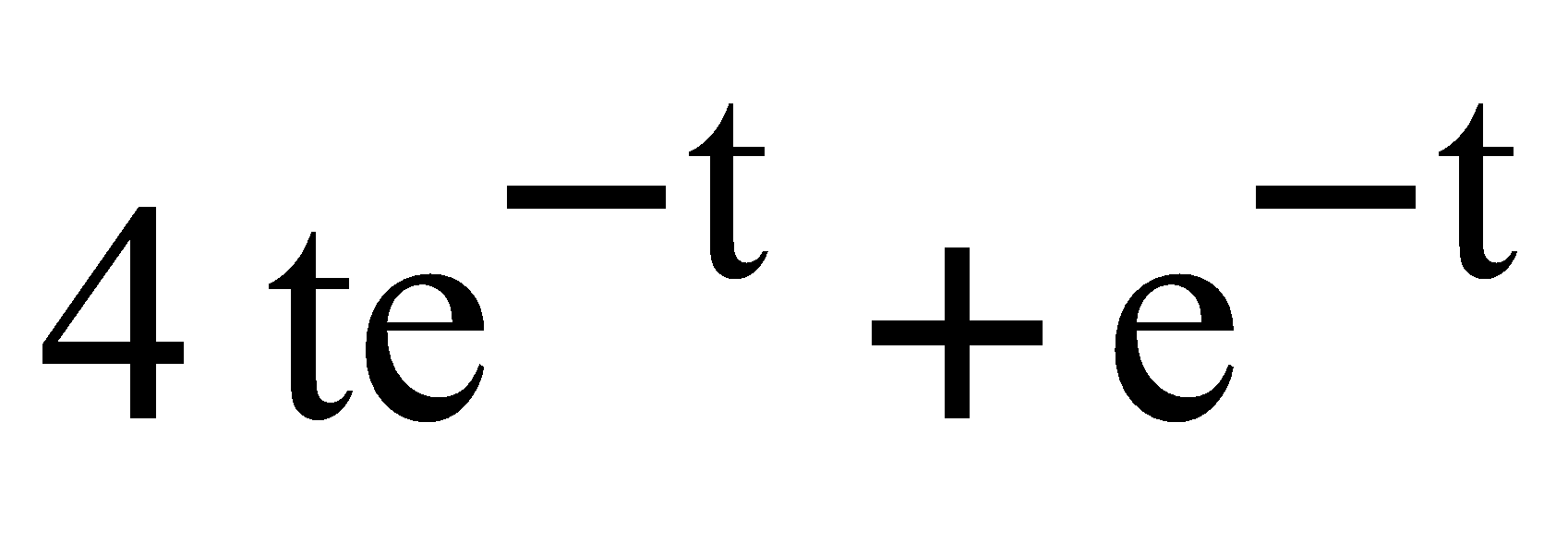
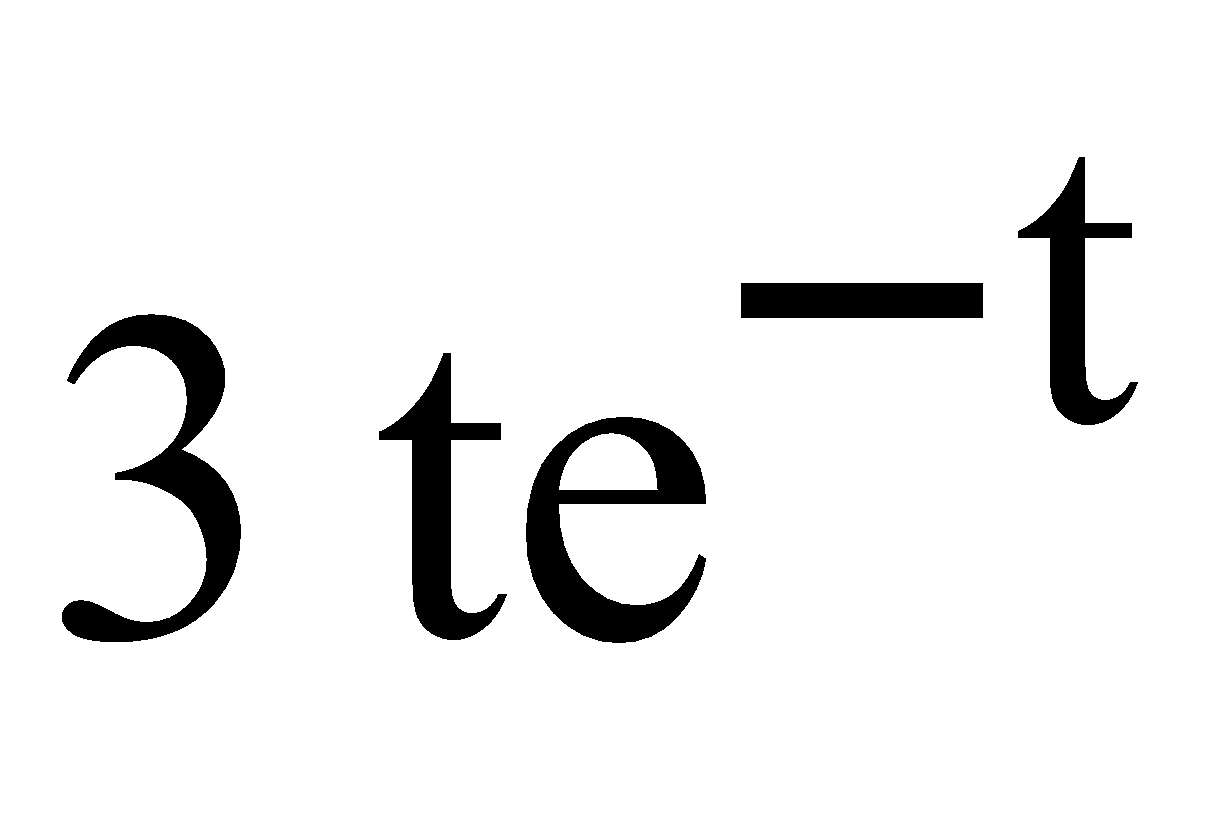
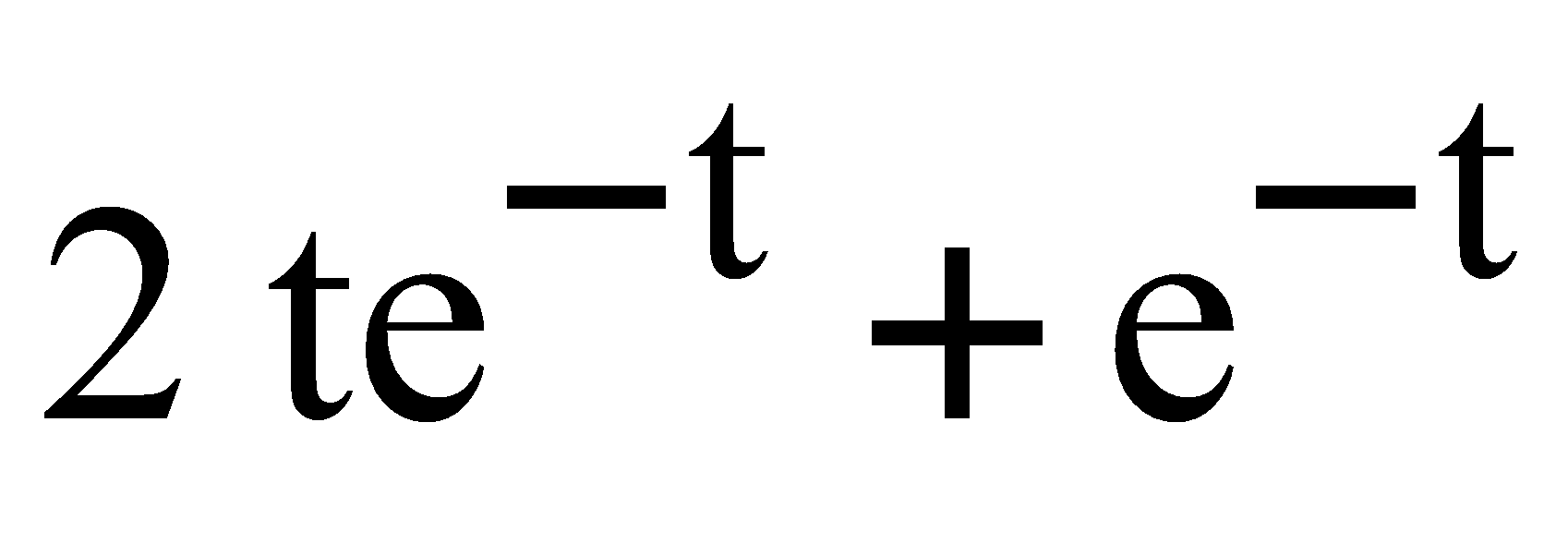
Sign in to see the solution
Log in to view the explanation, track your attempts, and keep your progress.
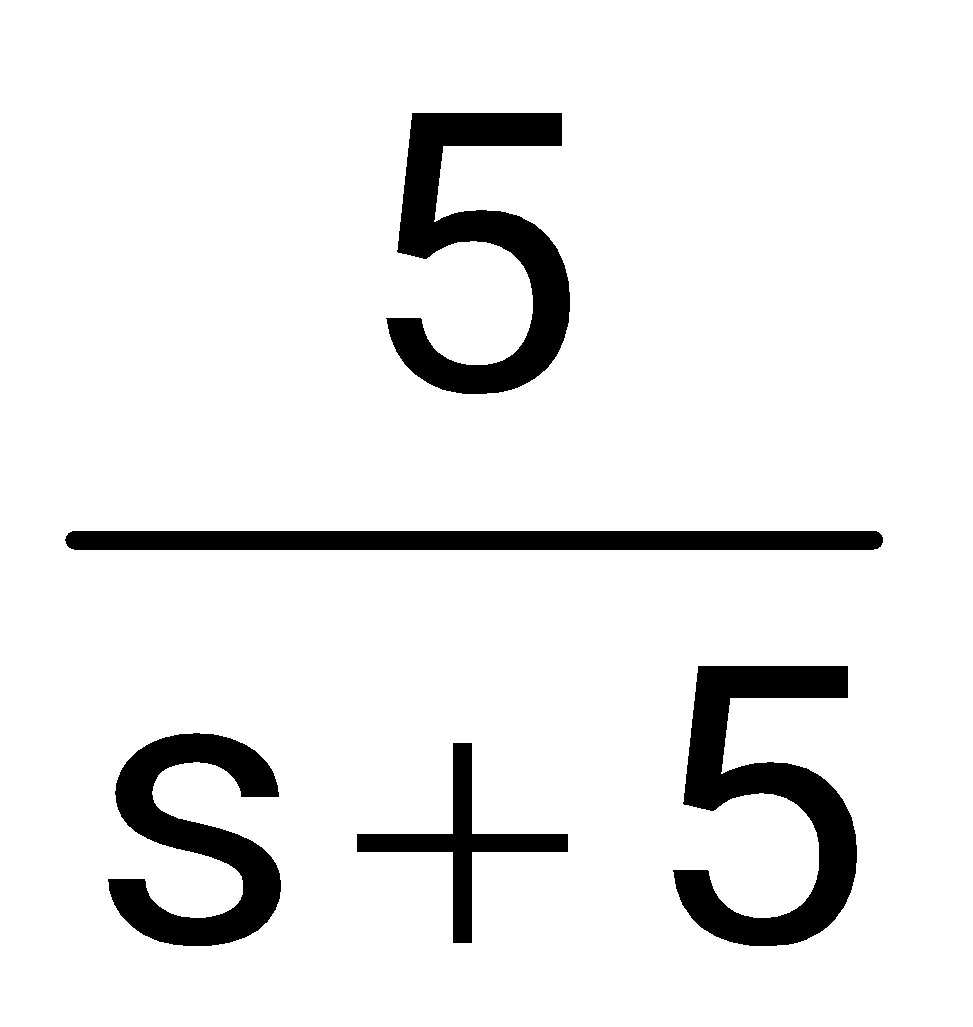
Sign in to UnlockThe Laplace Transform of is
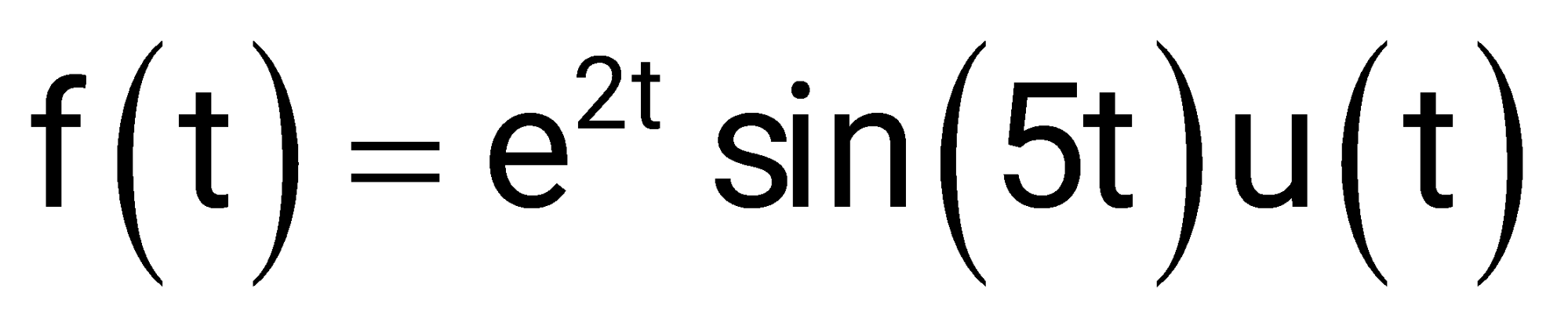
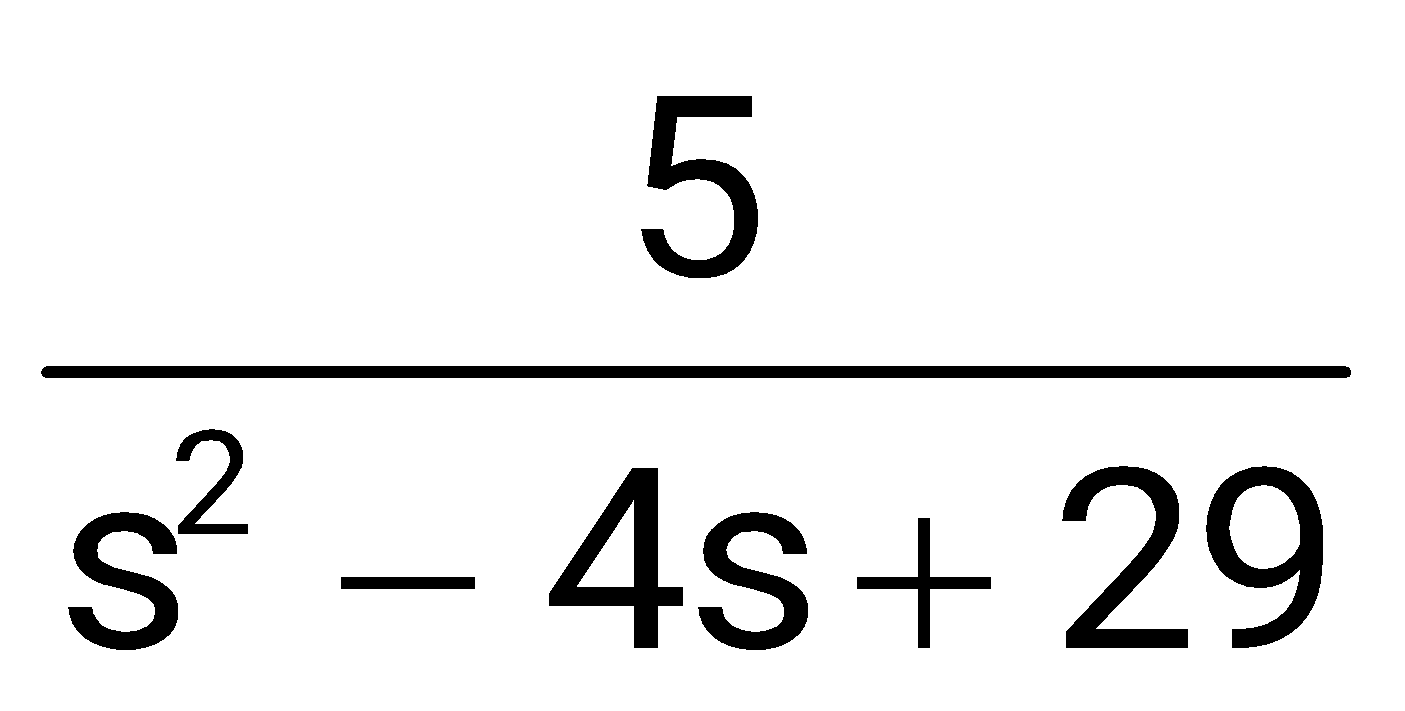
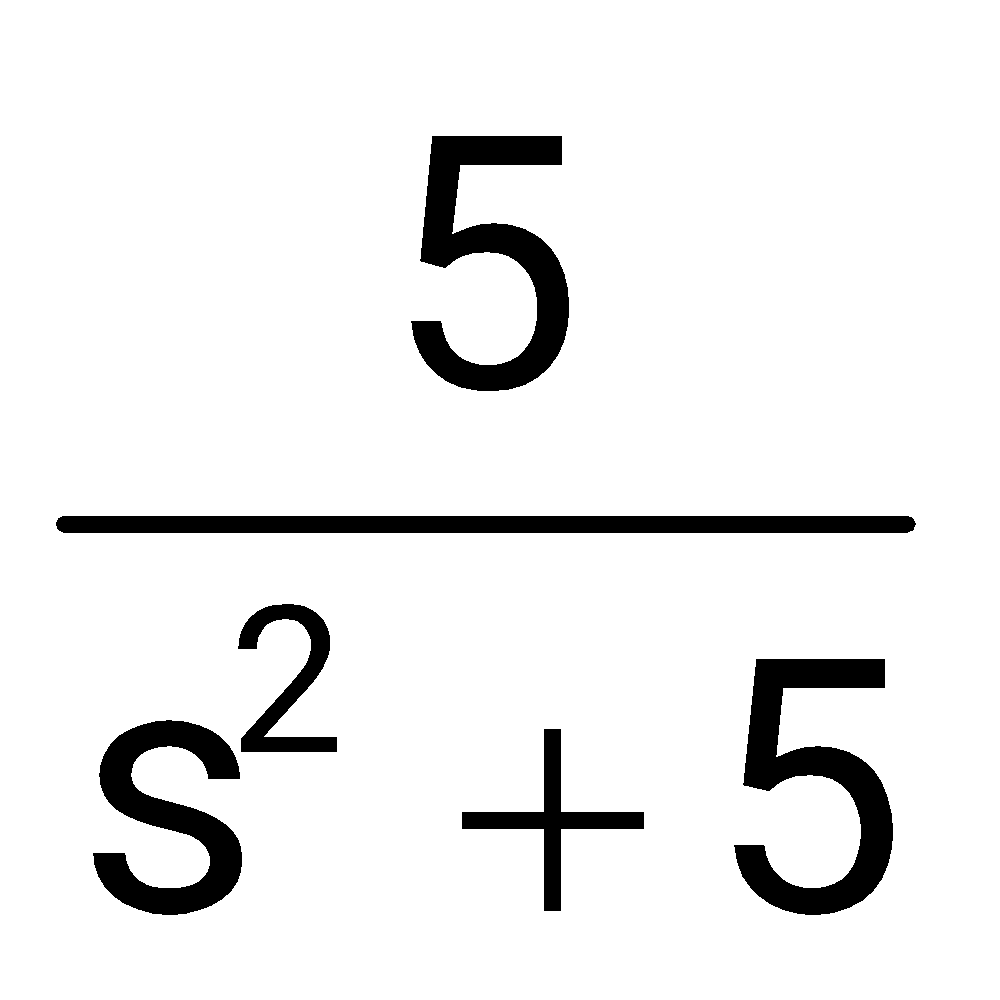
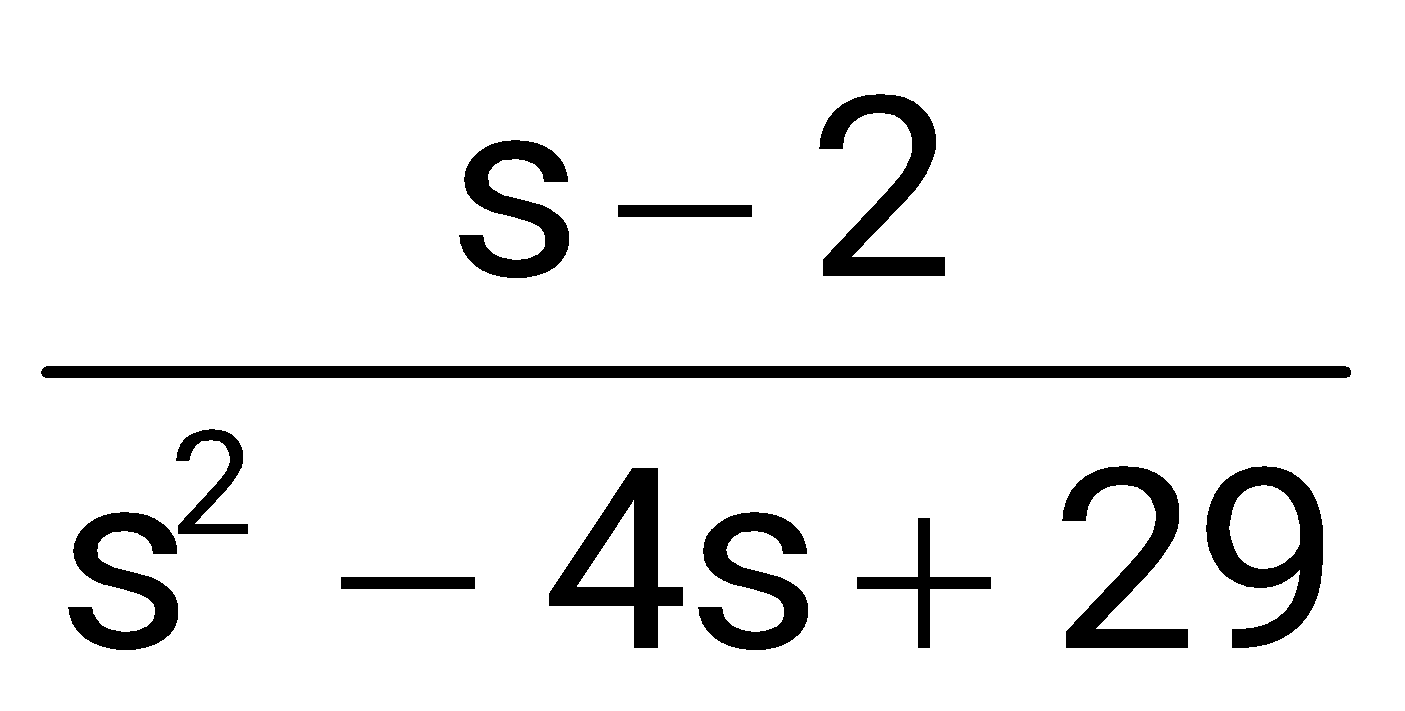
Sign in to see the solution
Log in to view the explanation, track your attempts, and keep your progress.
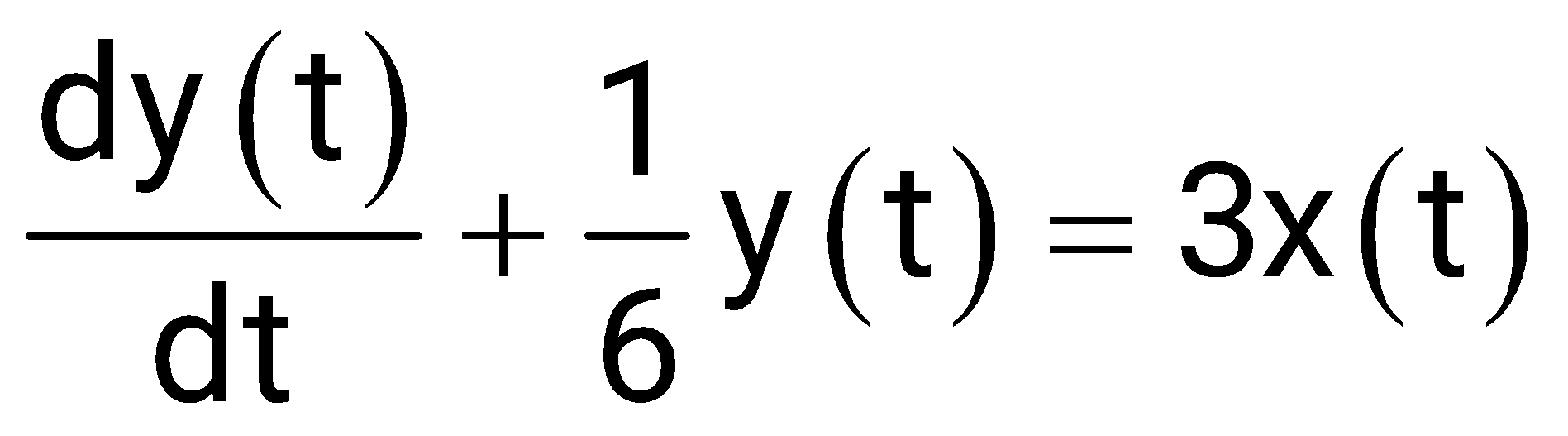
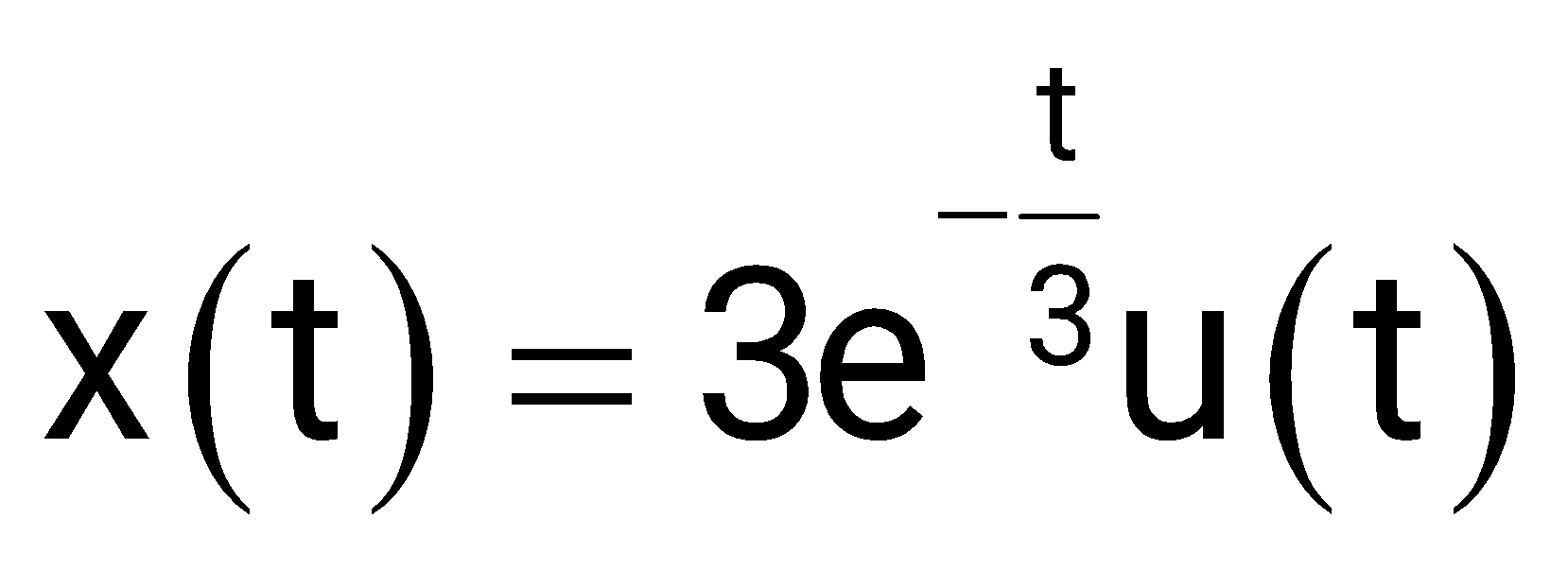
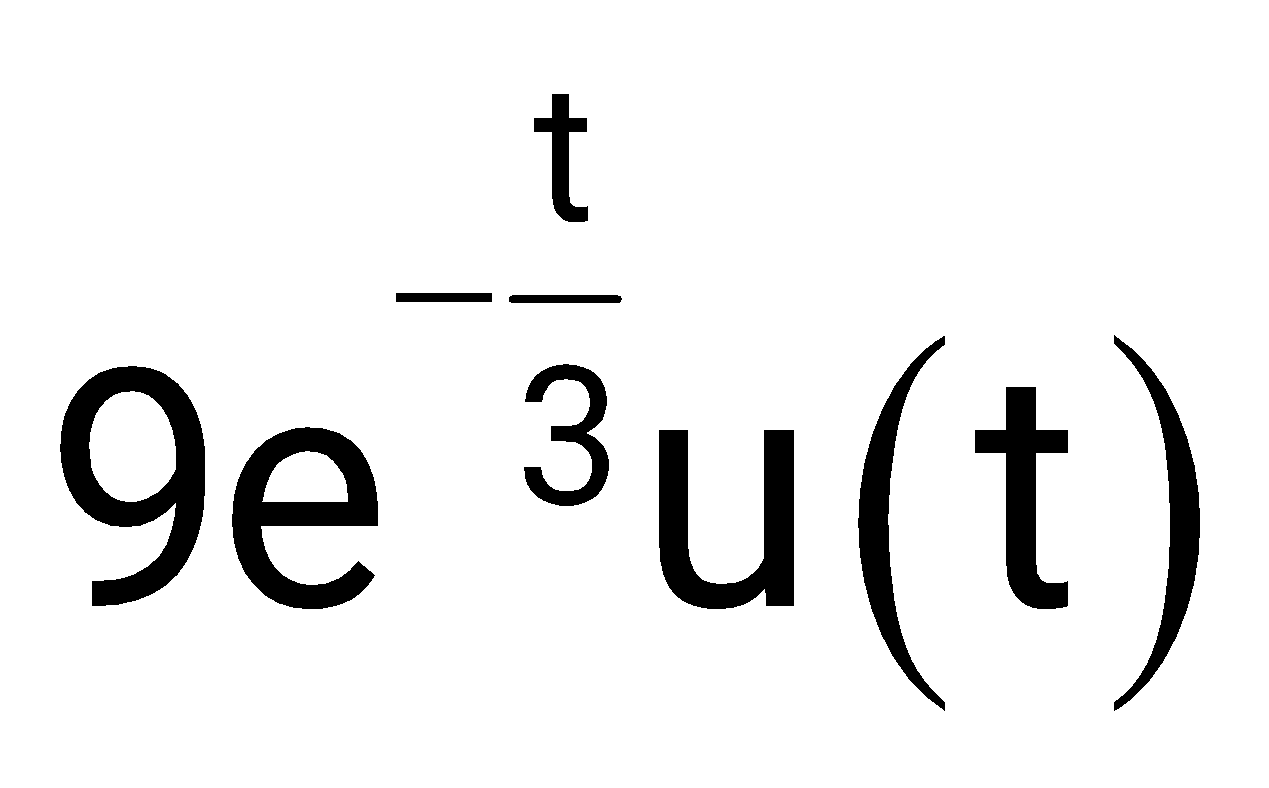
Sign in to UnlockConsider a causal LTI system characterized by differential equation . The response of the system to the input , where u(t) denotes the unit step function, is
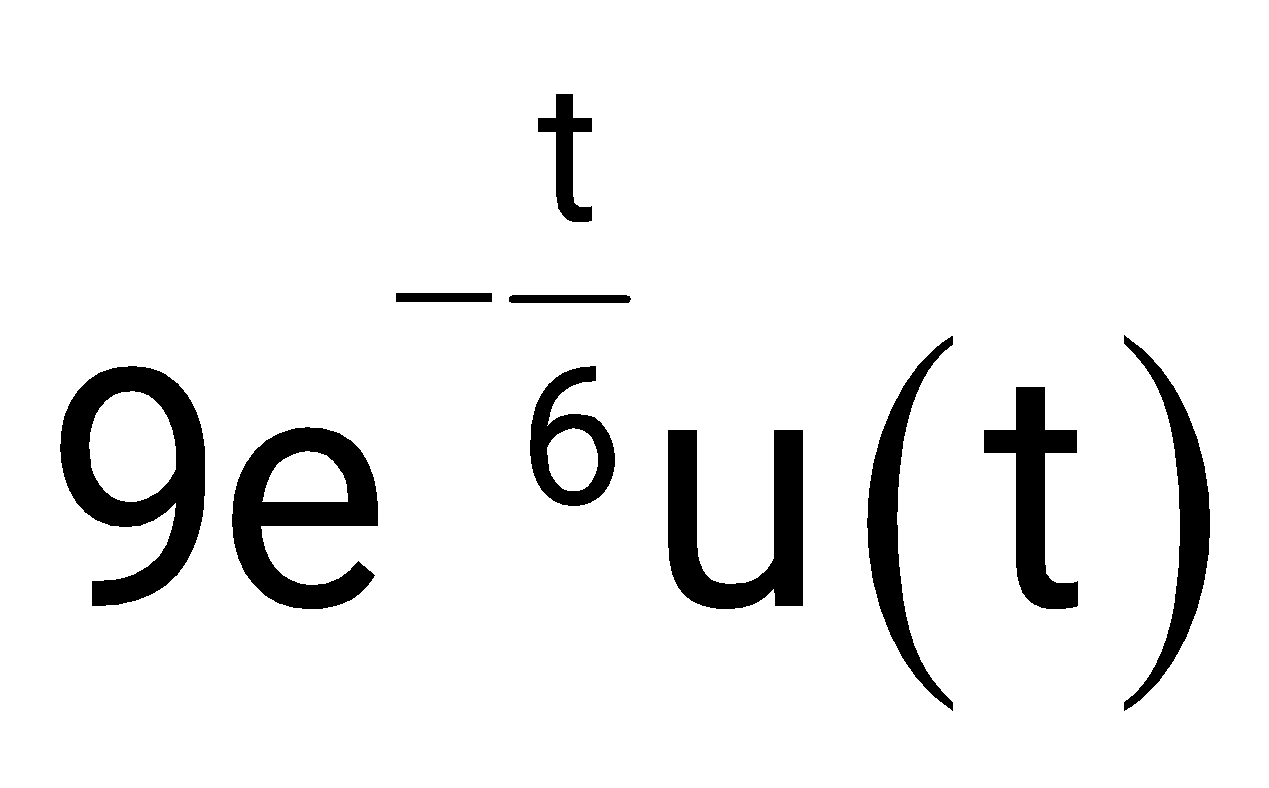
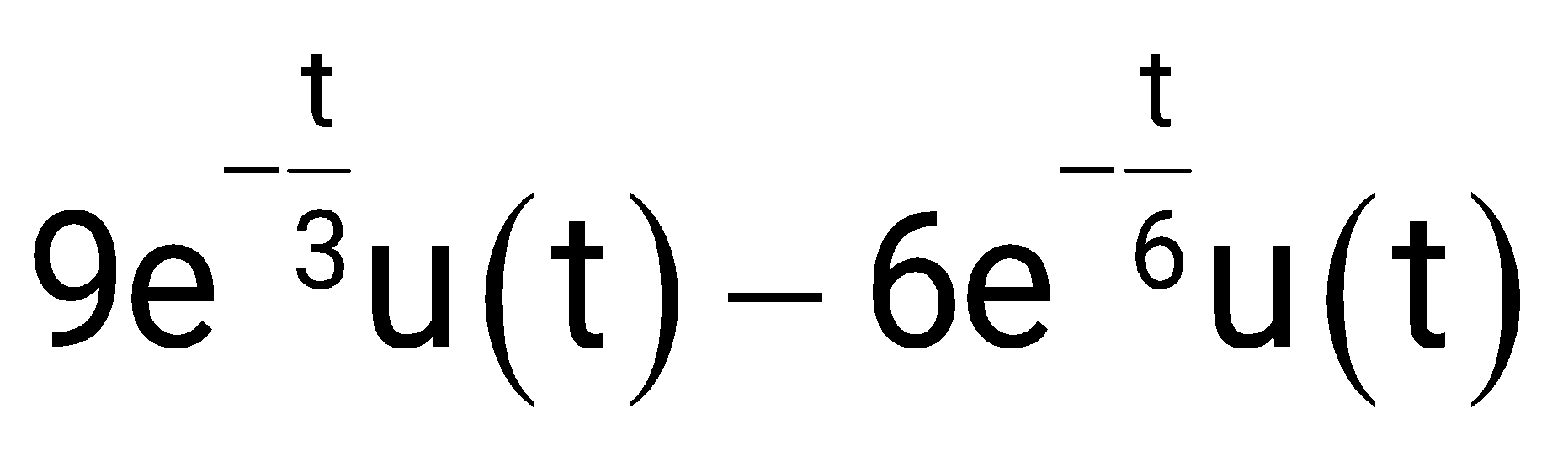
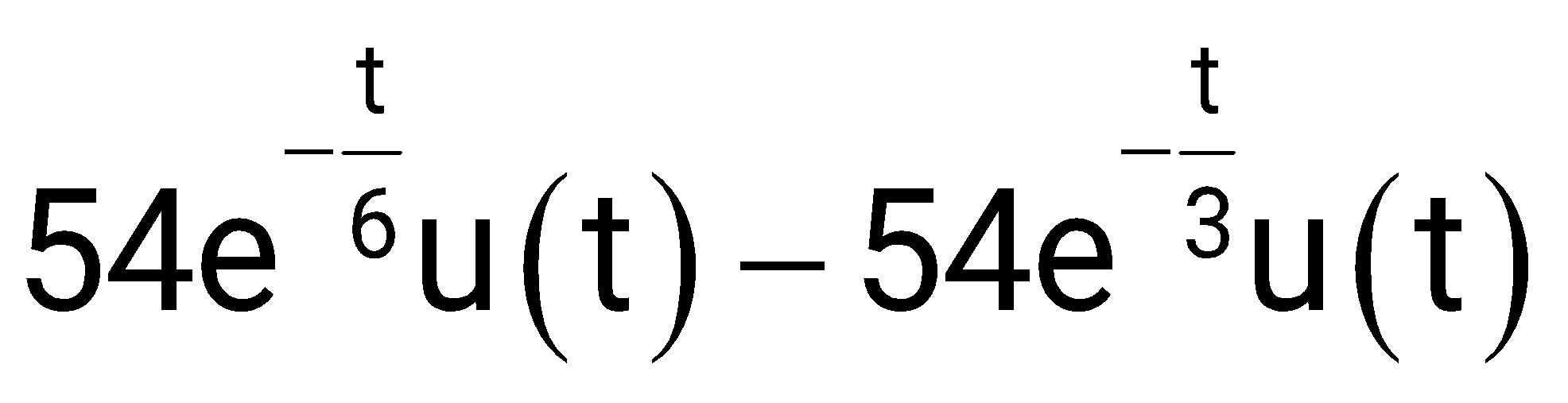
Sign in to see the solution
Log in to view the explanation, track your attempts, and keep your progress.
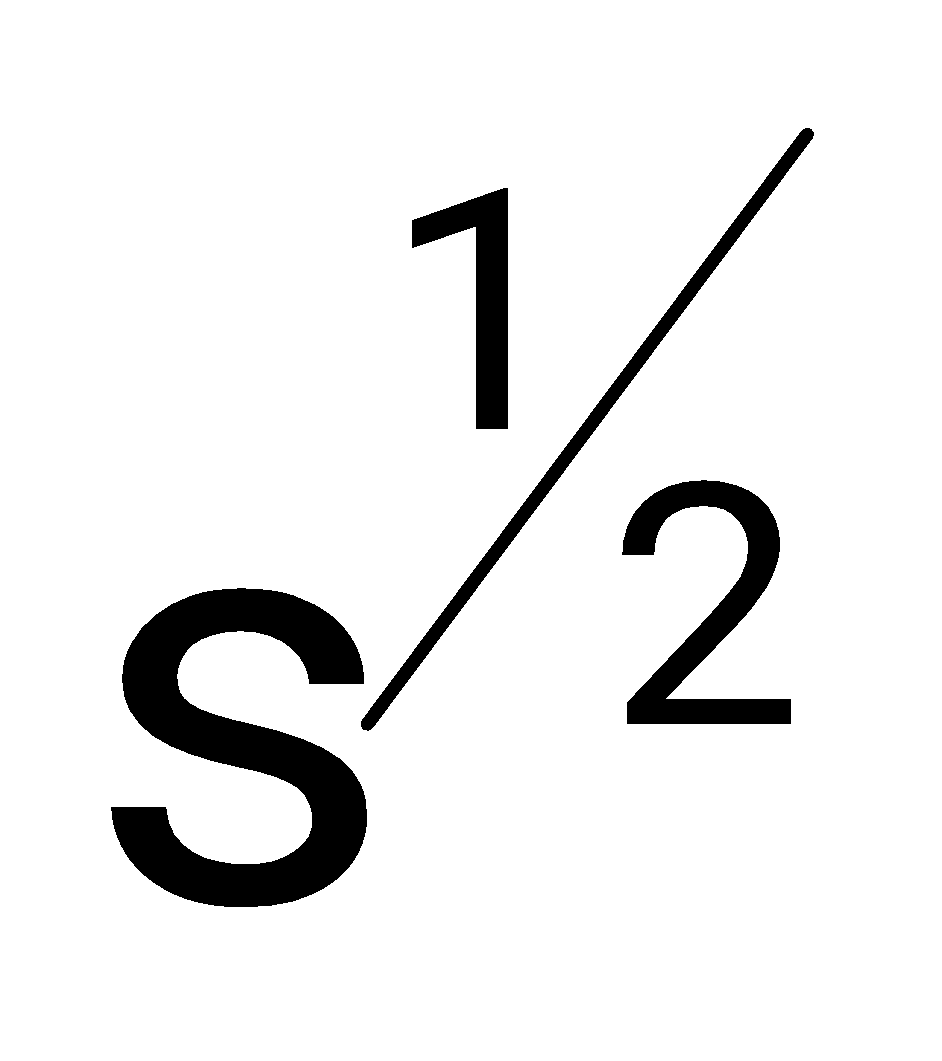
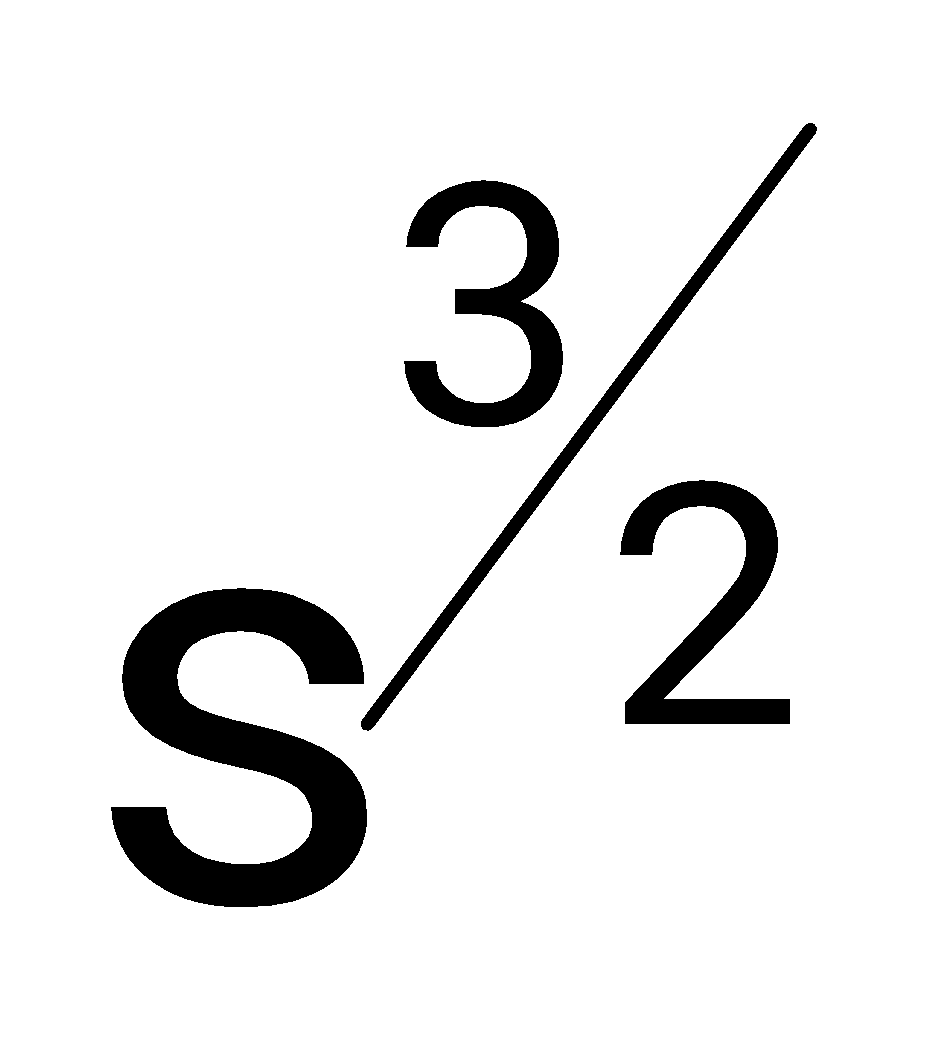
Sign in to UnlockThe Laplace transform of is . The Laplace transform of is
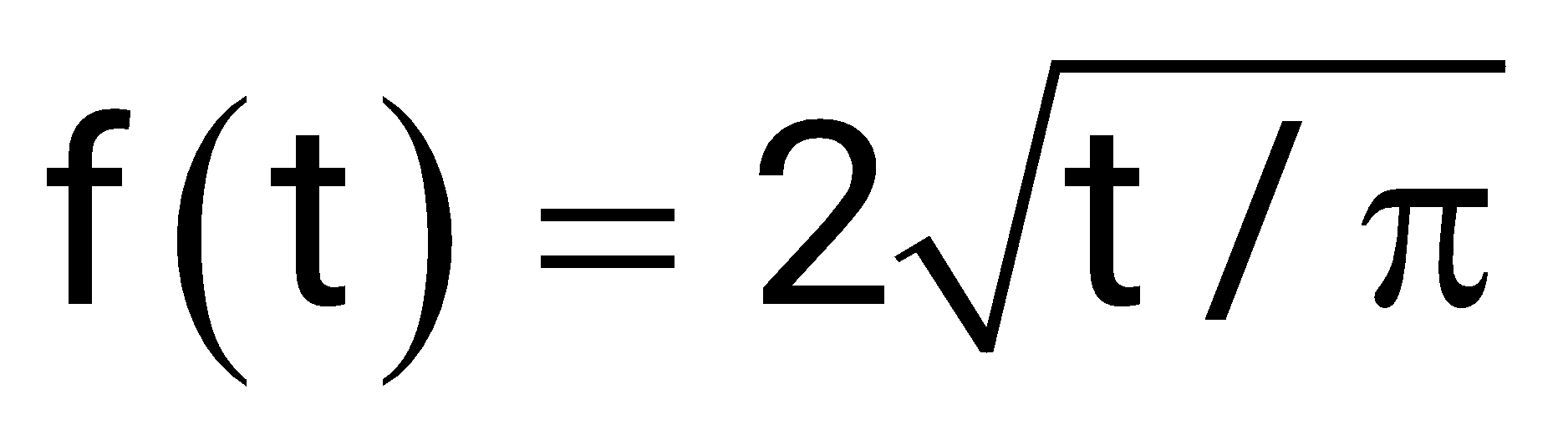
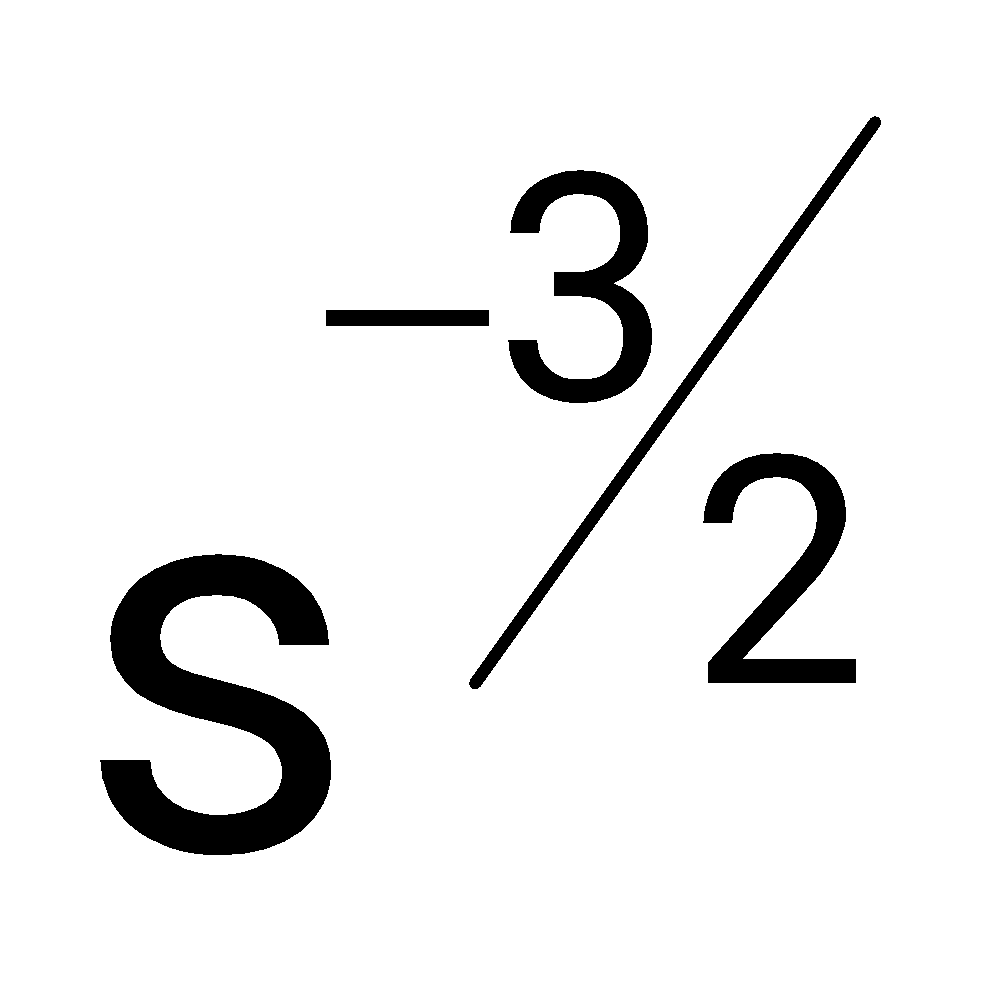
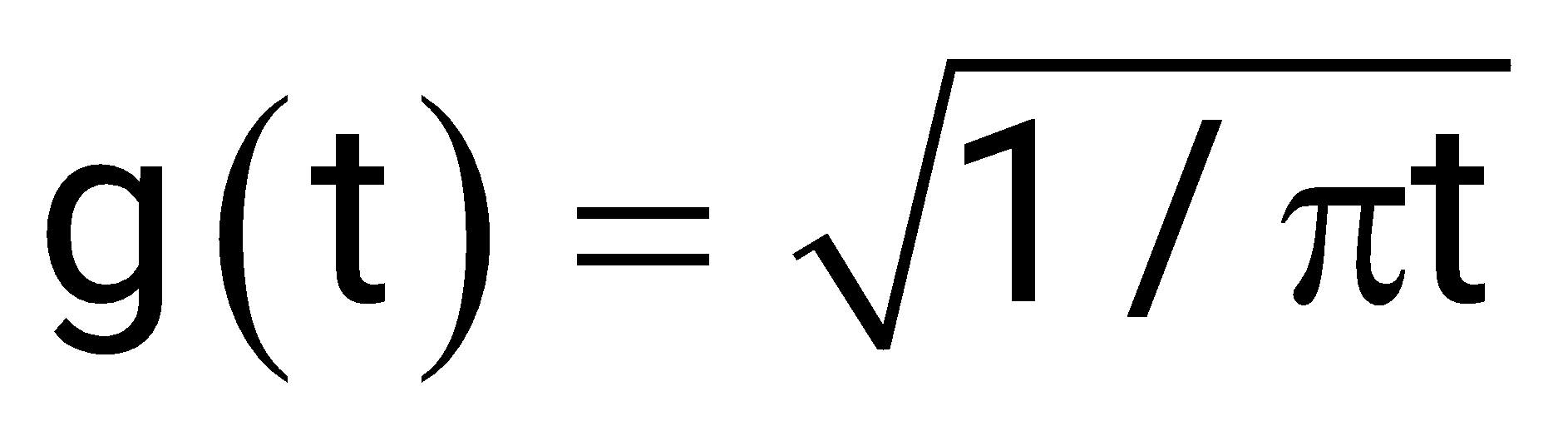
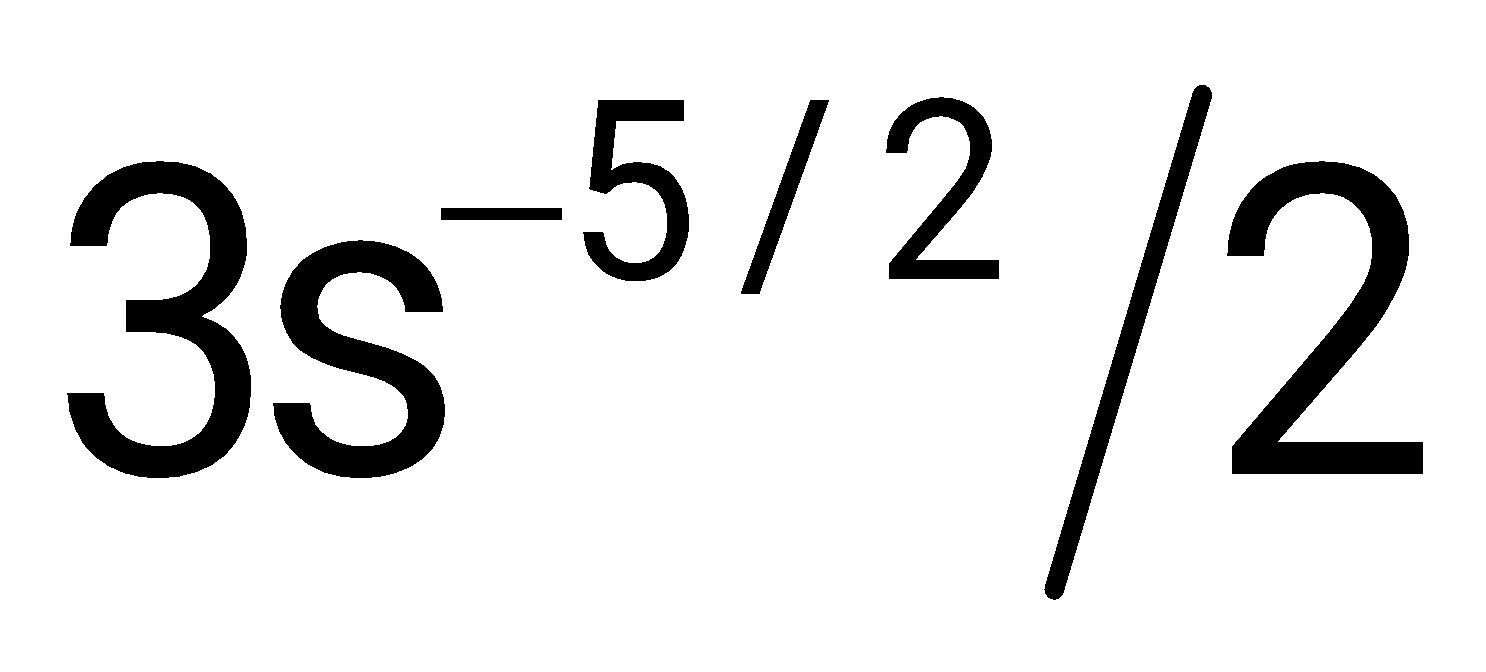
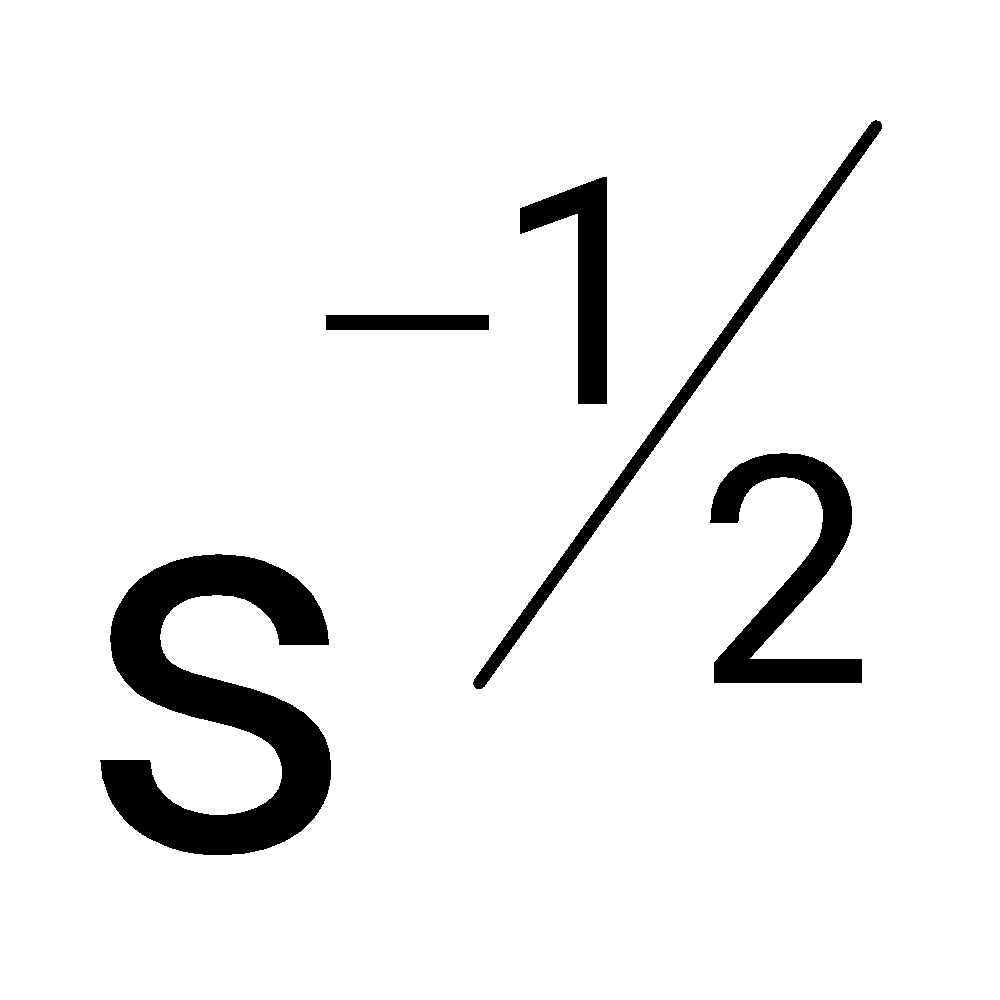
Sign in to see the solution
Log in to view the explanation, track your attempts, and keep your progress.
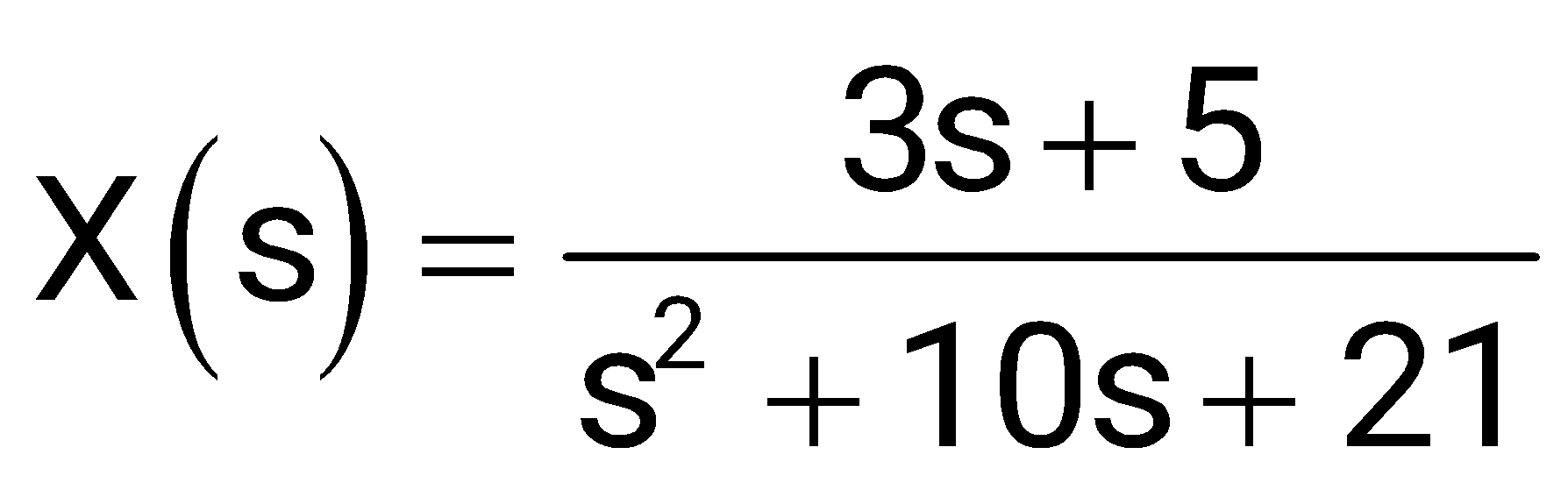
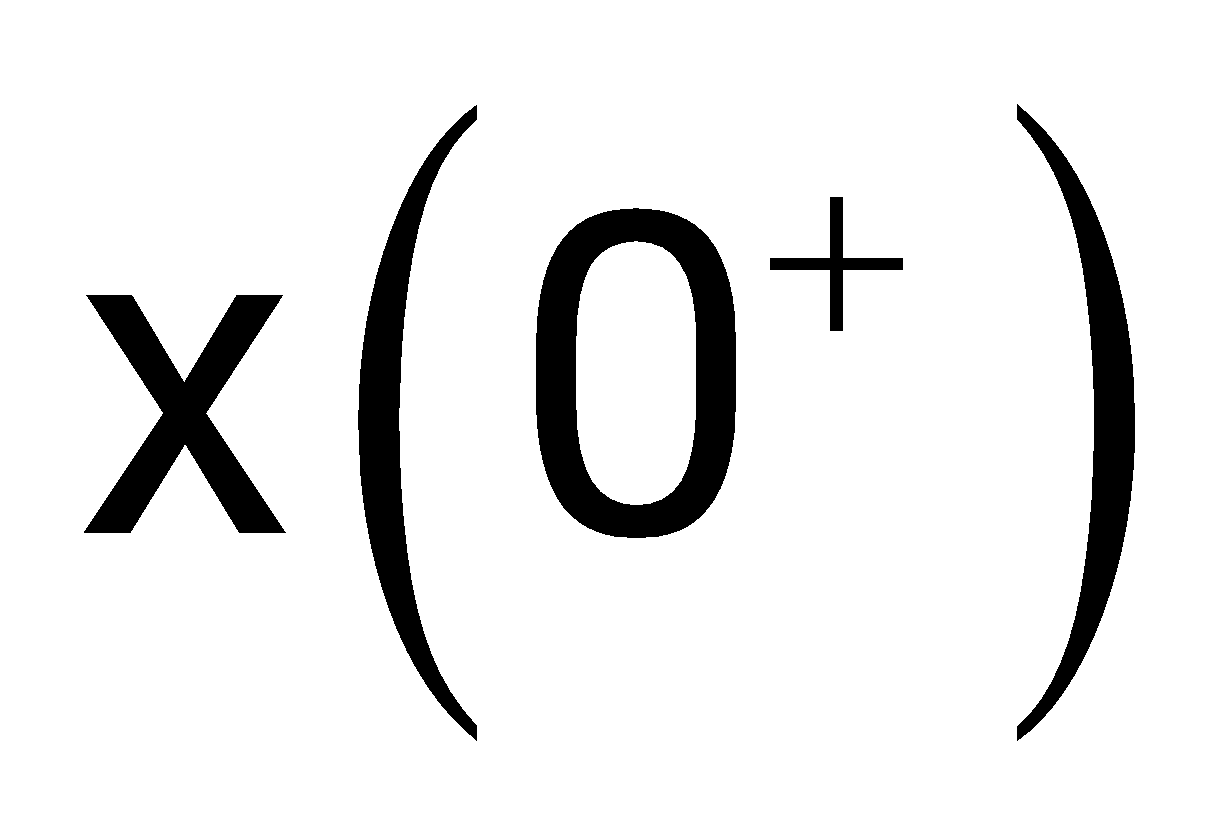
Sign in to UnlockLet be the Laplace transform of a signal x(t). Then, is
Sign in to see the solution
Log in to view the explanation, track your attempts, and keep your progress.
Sign in to UnlockConsider an LTI system with impulse response. If the output of the system is then the input, x(t), is given by
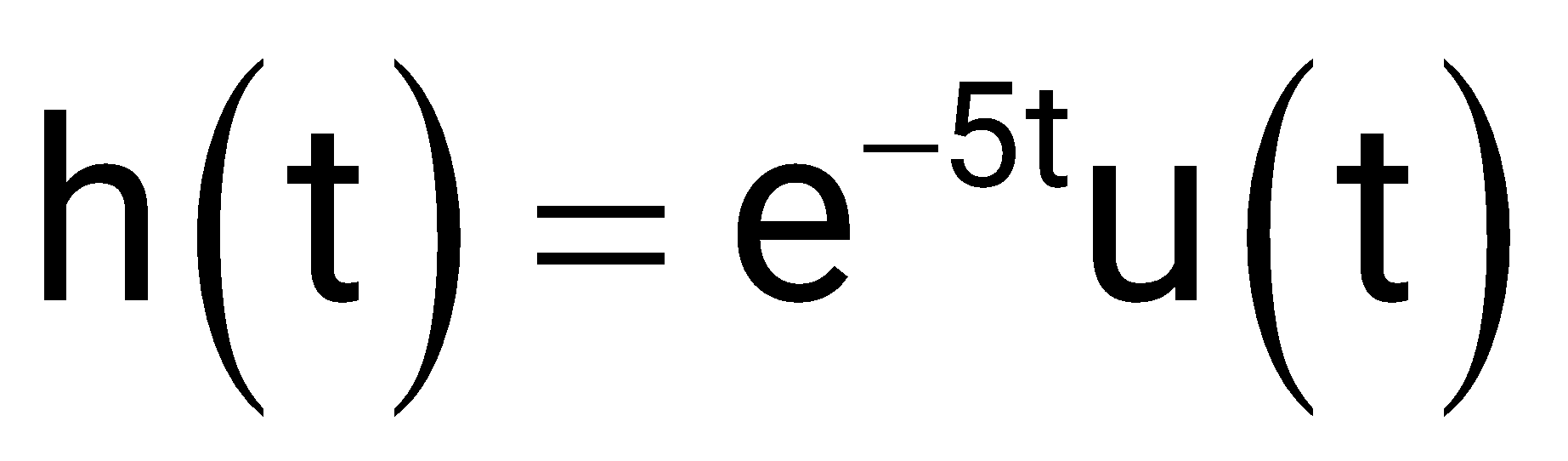

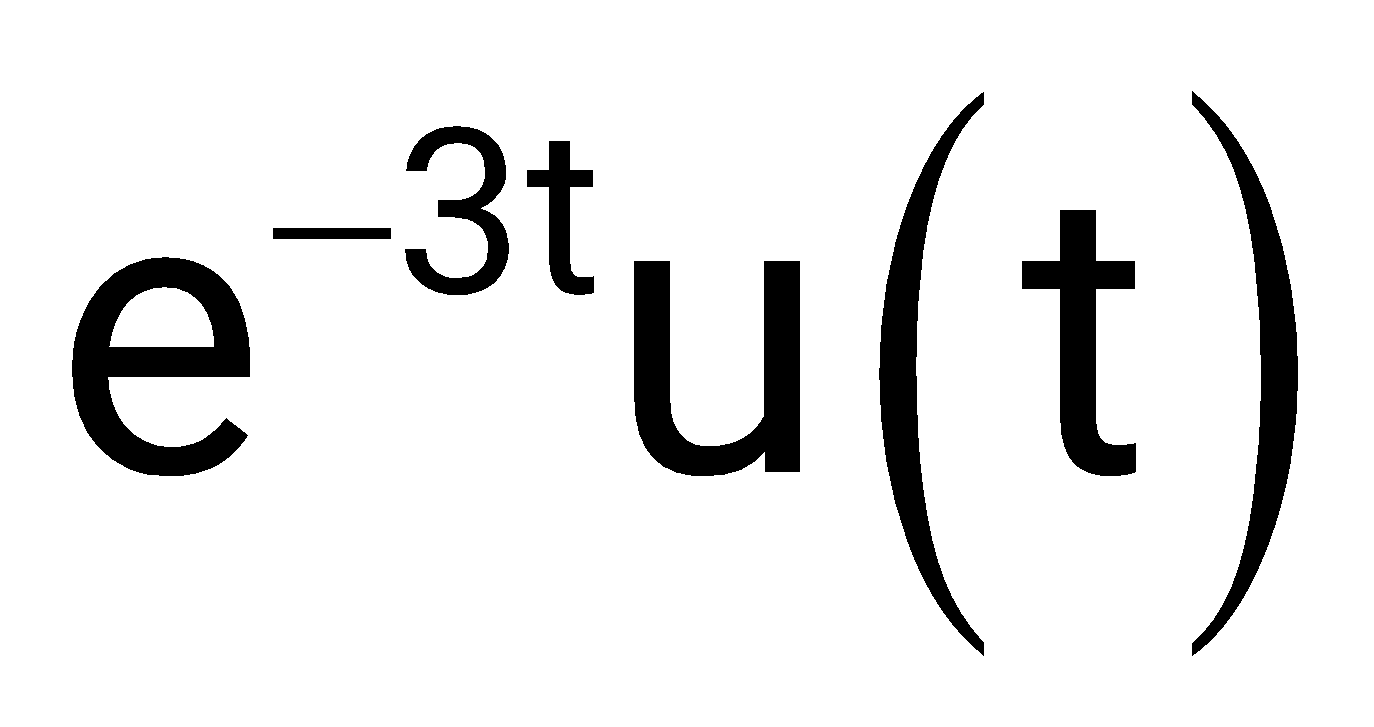
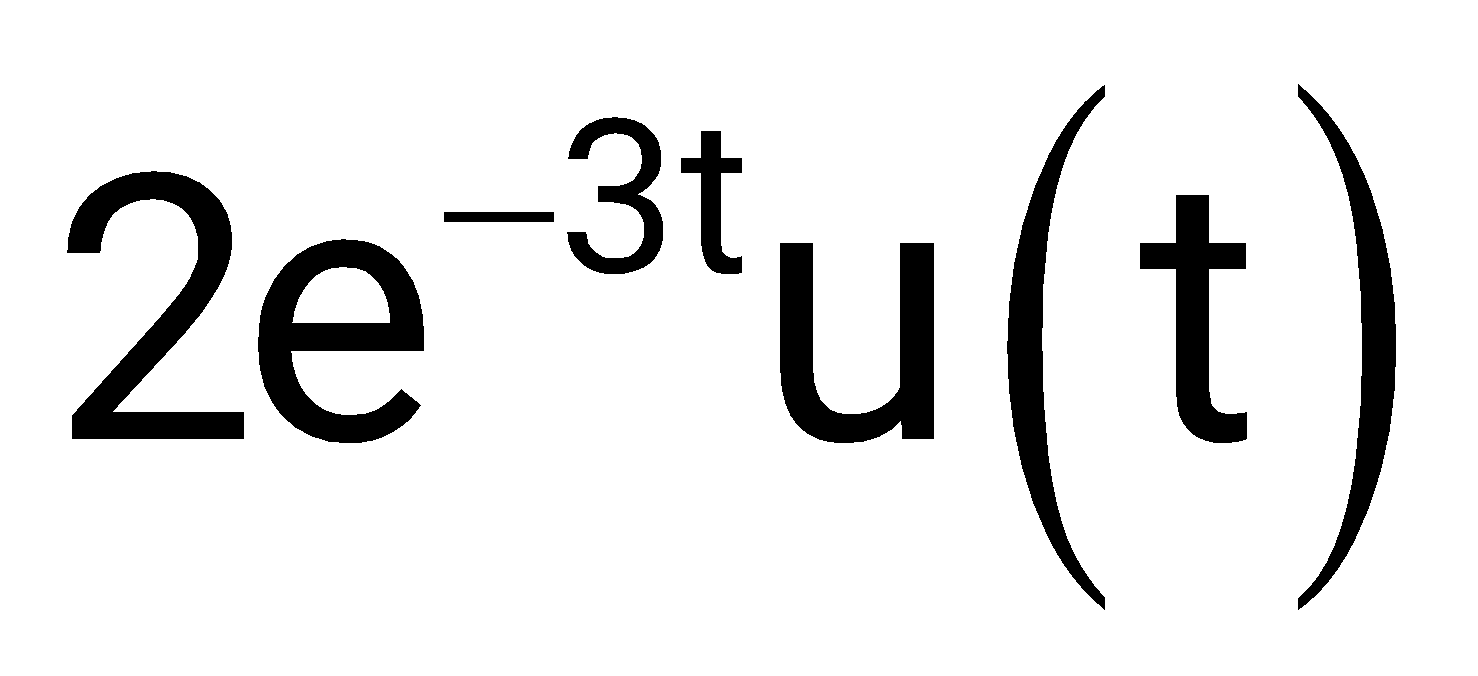
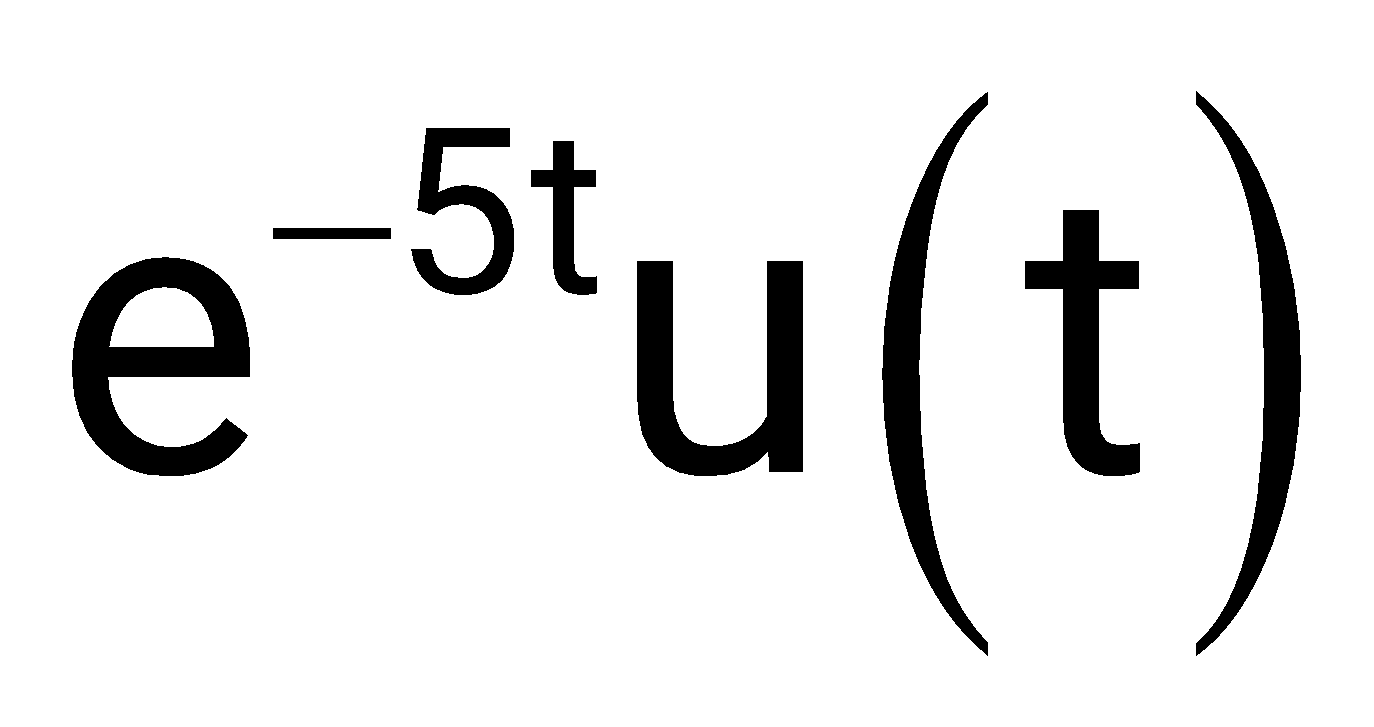
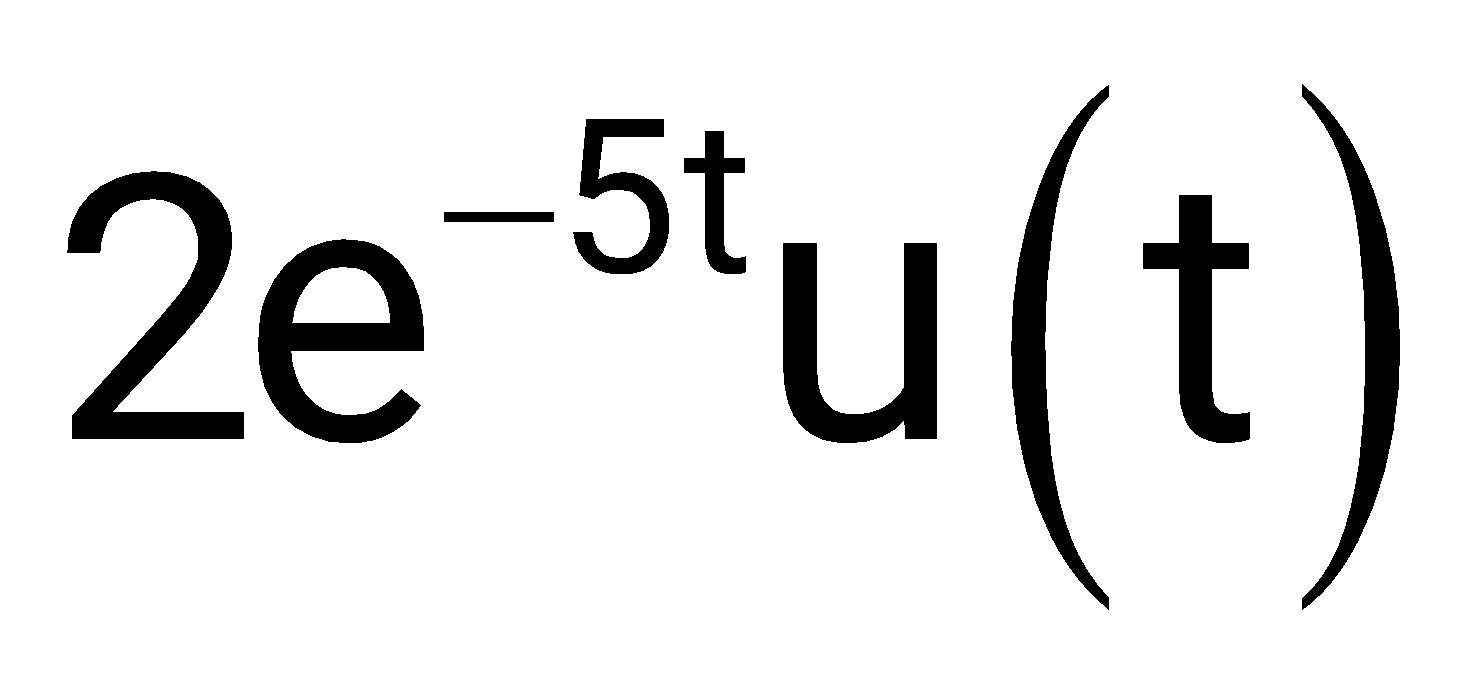
Sign in to see the solution
Log in to view the explanation, track your attempts, and keep your progress.
Sign in to UnlockThe impulse response of a system is h(t)=t u(t) . for an input u(t-1), the output is
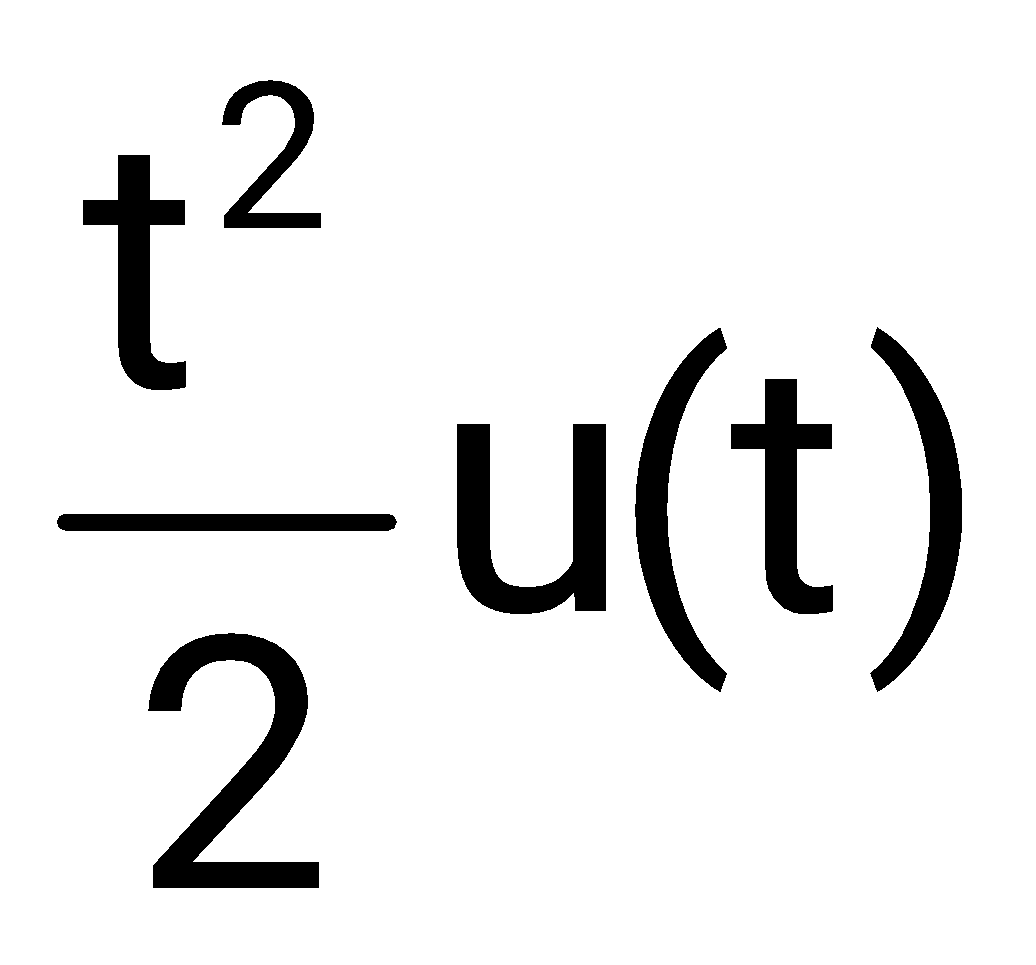
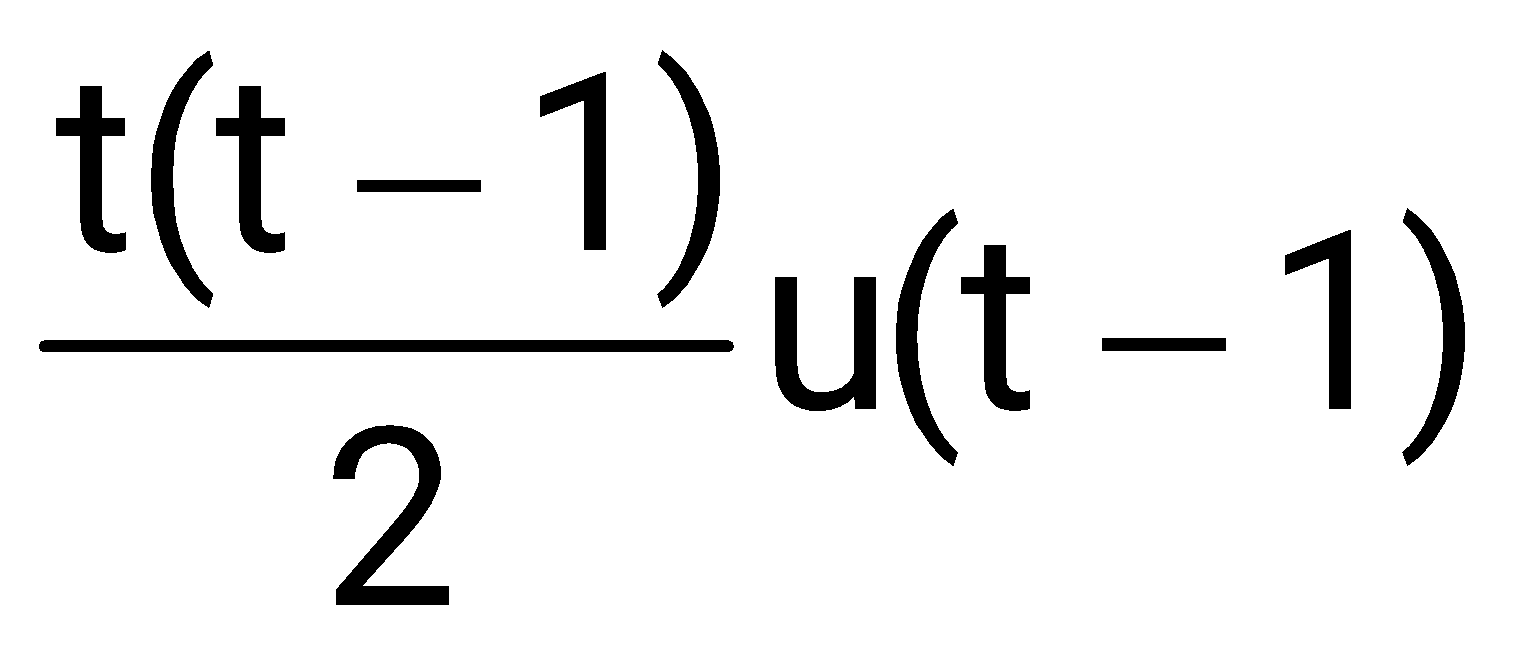
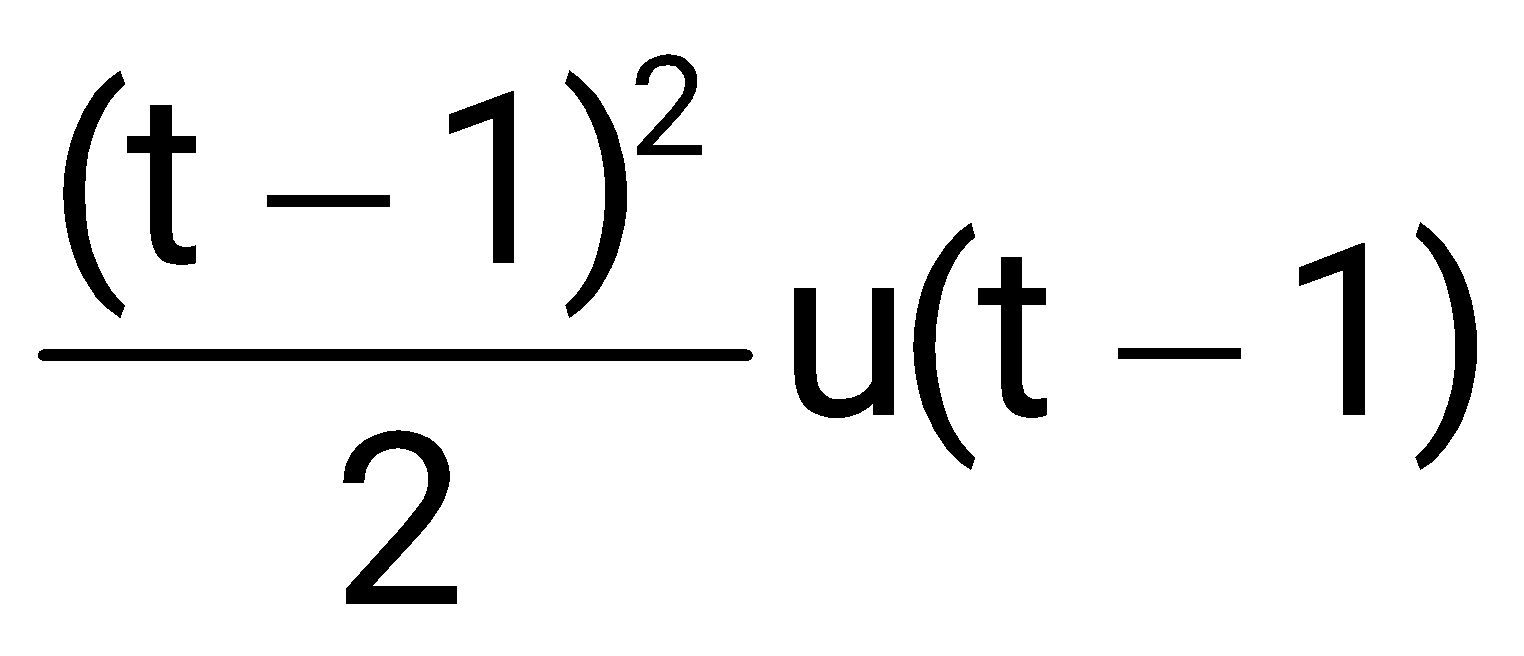
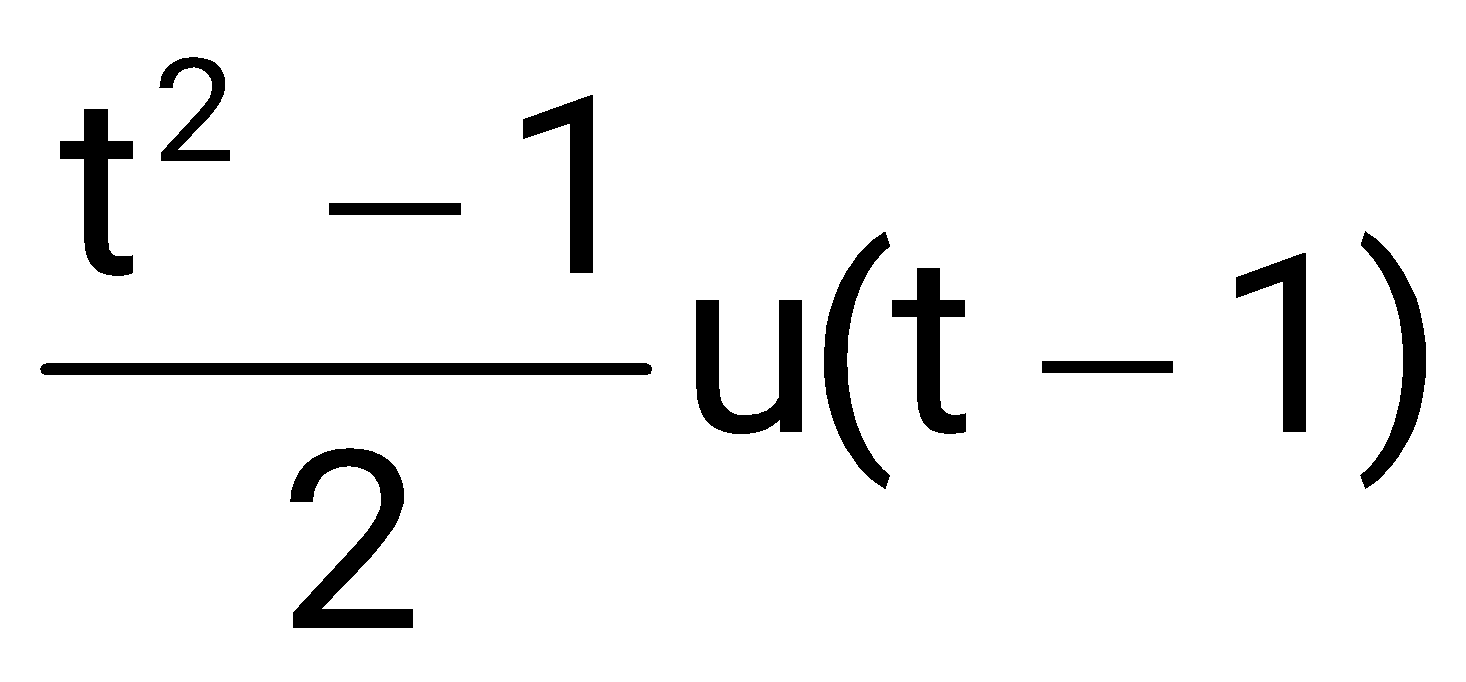
Sign in to see the solution
Log in to view the explanation, track your attempts, and keep your progress.
Sign in to UnlockWhich one of the following statements is NOT TRUE for a continuous time causal and stable LTI system?
All the poles of the system must lie on the left side of the axis.
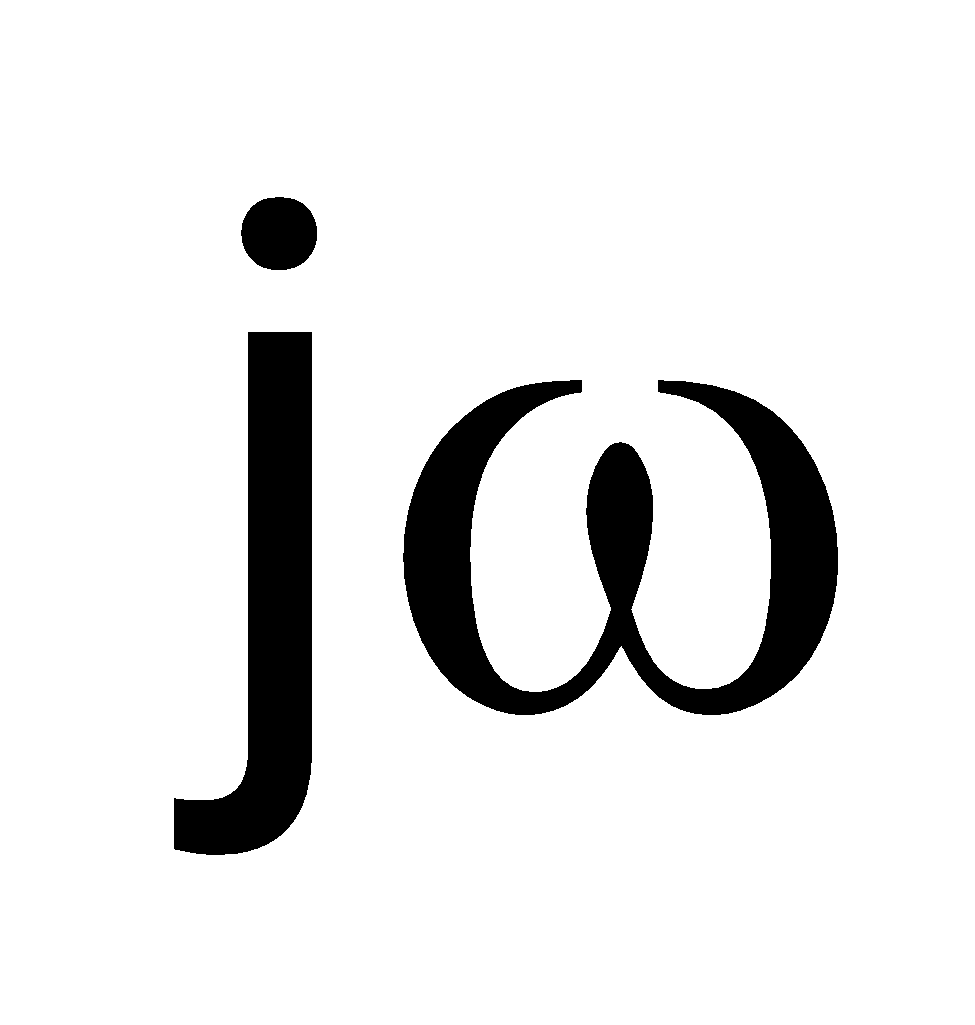
Zeros of the system can lie anywhere in the s-plane.
All the poles must lie within |s|=1.
All the roots of the characteristic equation must be located on the left side of the jw axis.
Sign in to see the solution
Log in to view the explanation, track your attempts, and keep your progress.
Sign in to UnlockThe unilateral Laplace transform of f(t) is . The unilateral Laplace transform of t f(t) is
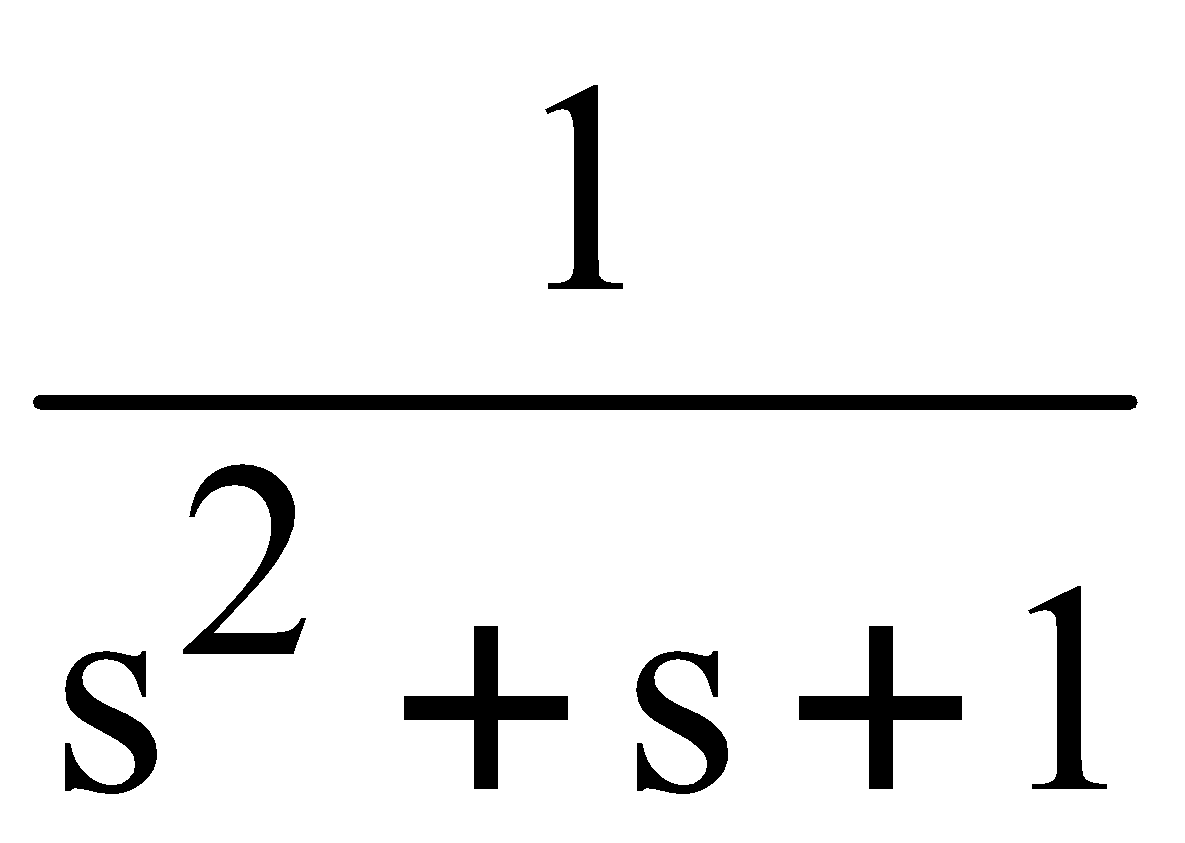
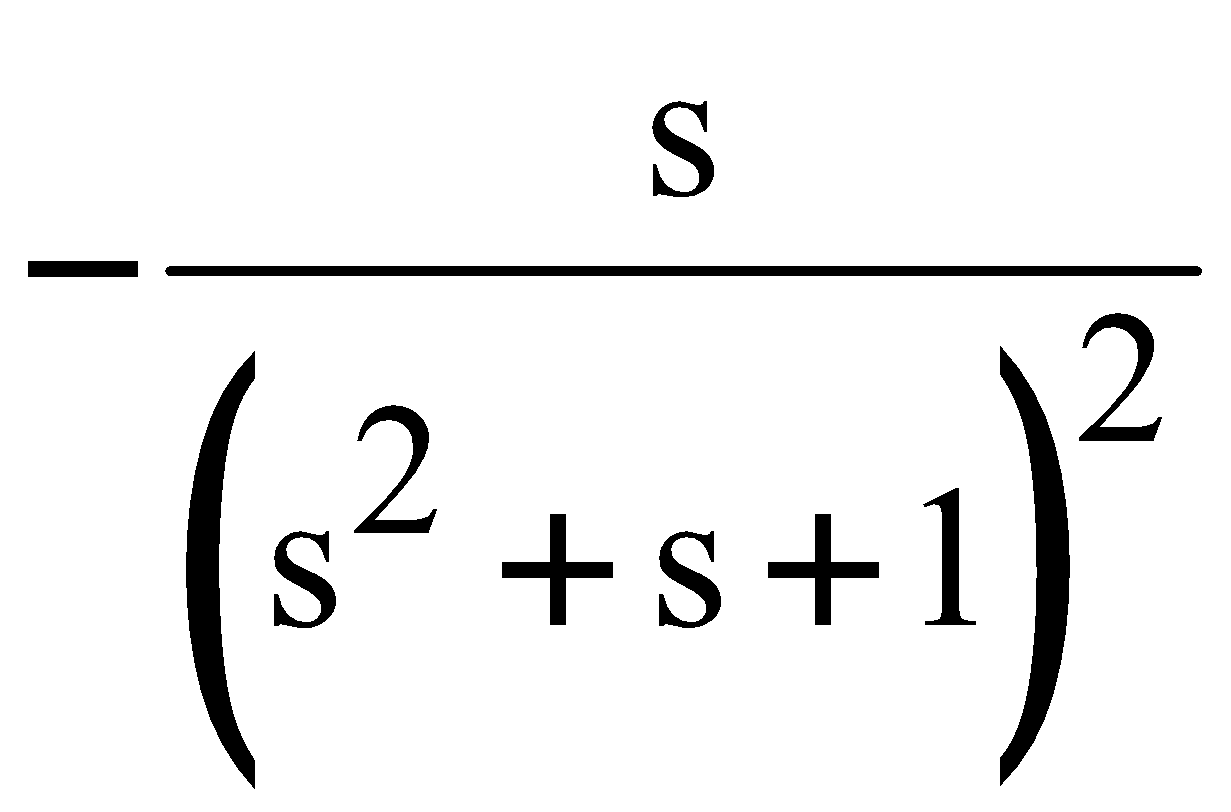
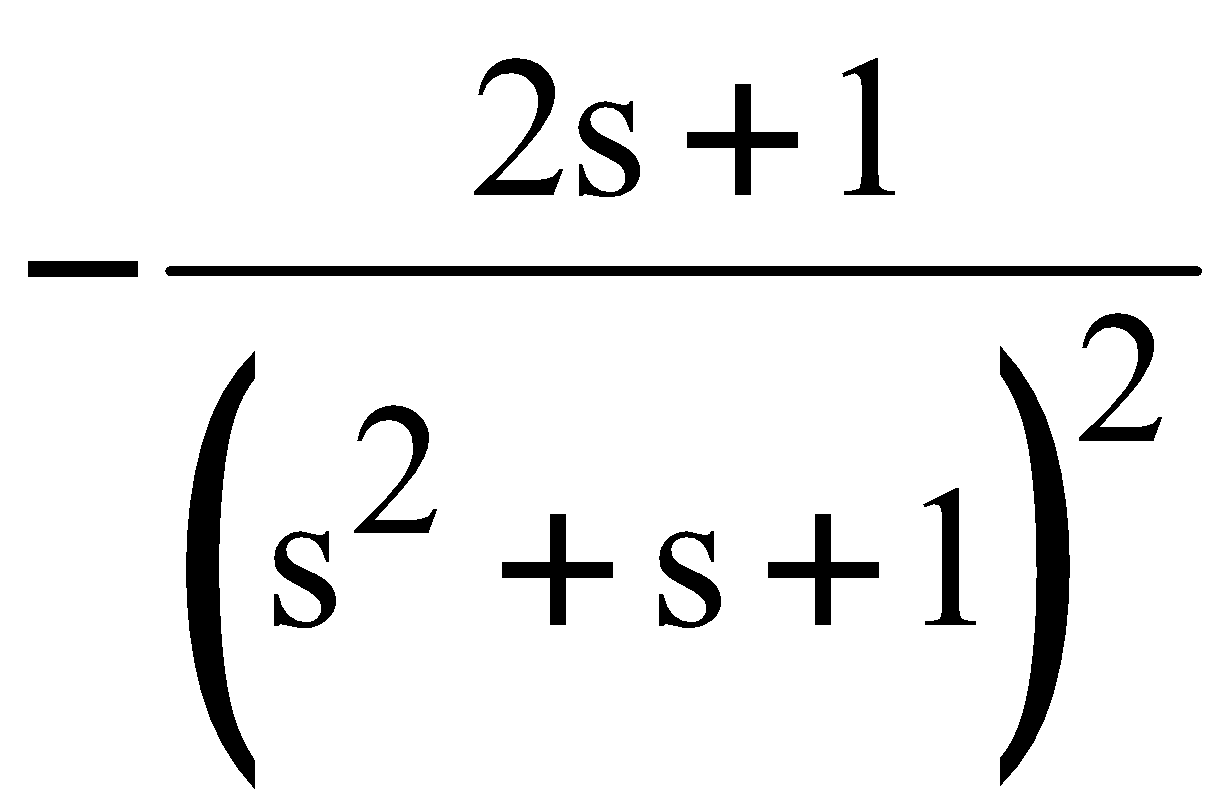
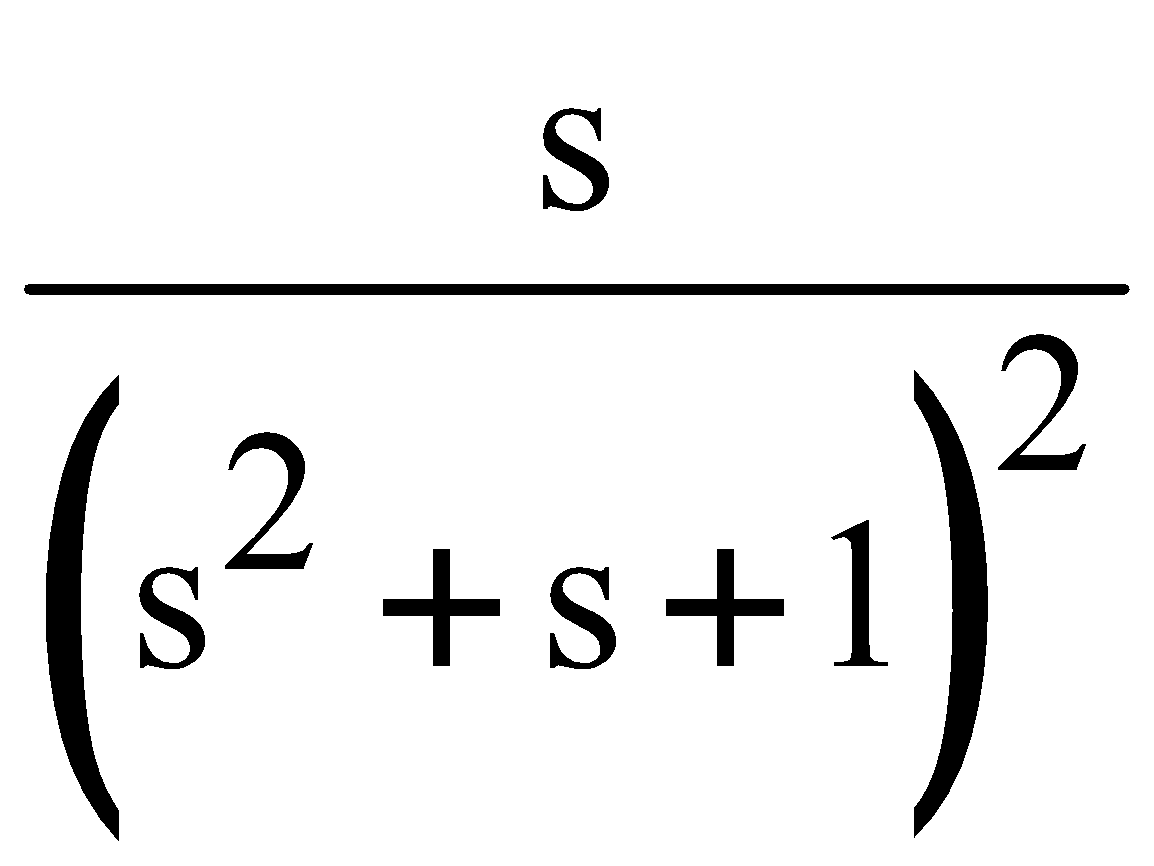
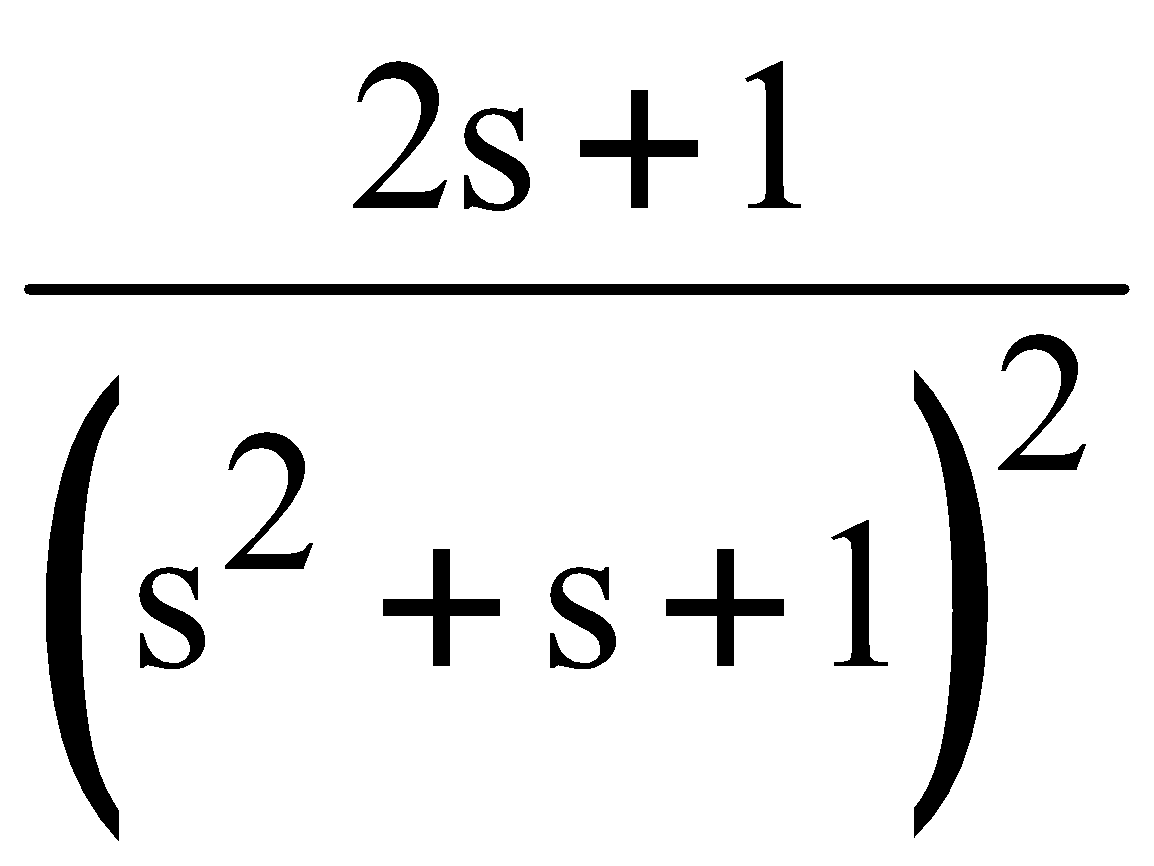
Sign in to see the solution
Log in to view the explanation, track your attempts, and keep your progress.
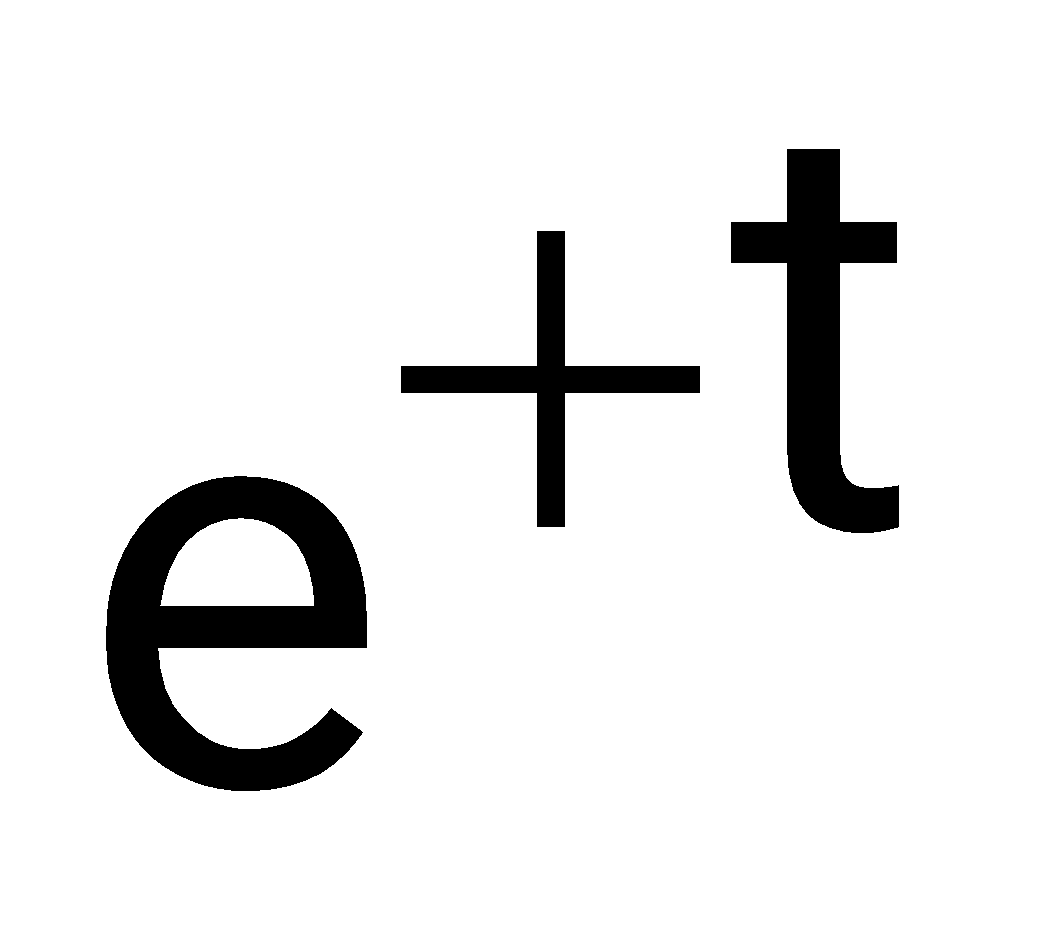
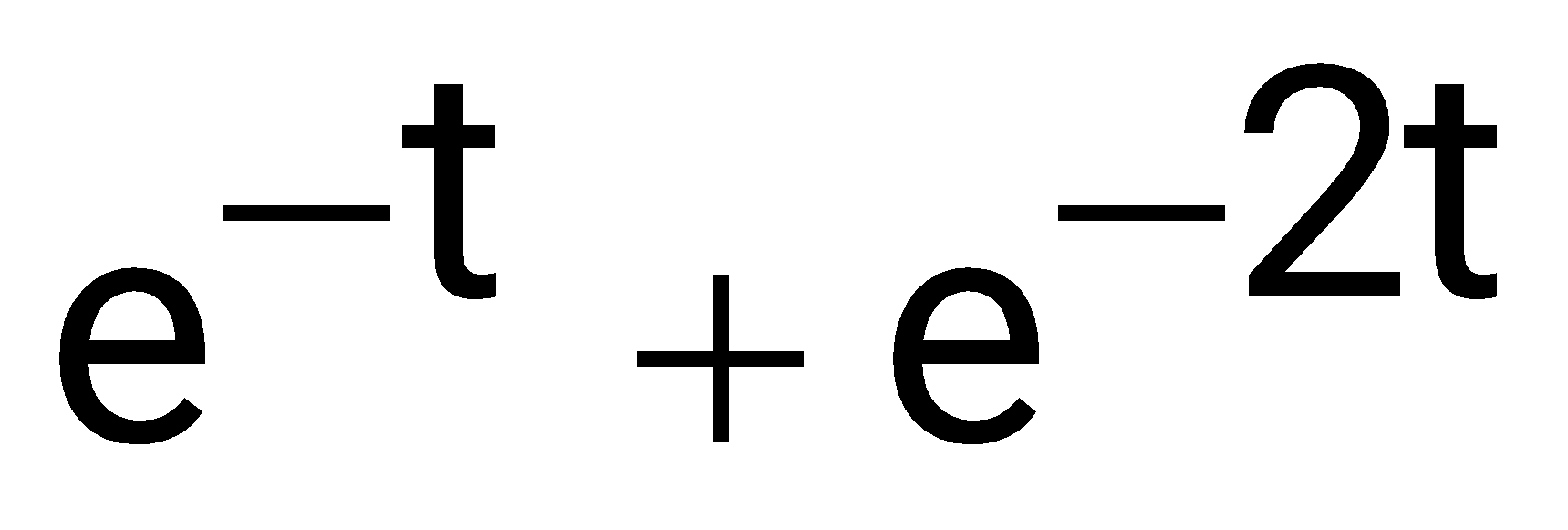
Sign in to UnlockGiven two continuous time signals and which exist for t > 0, the convolution is
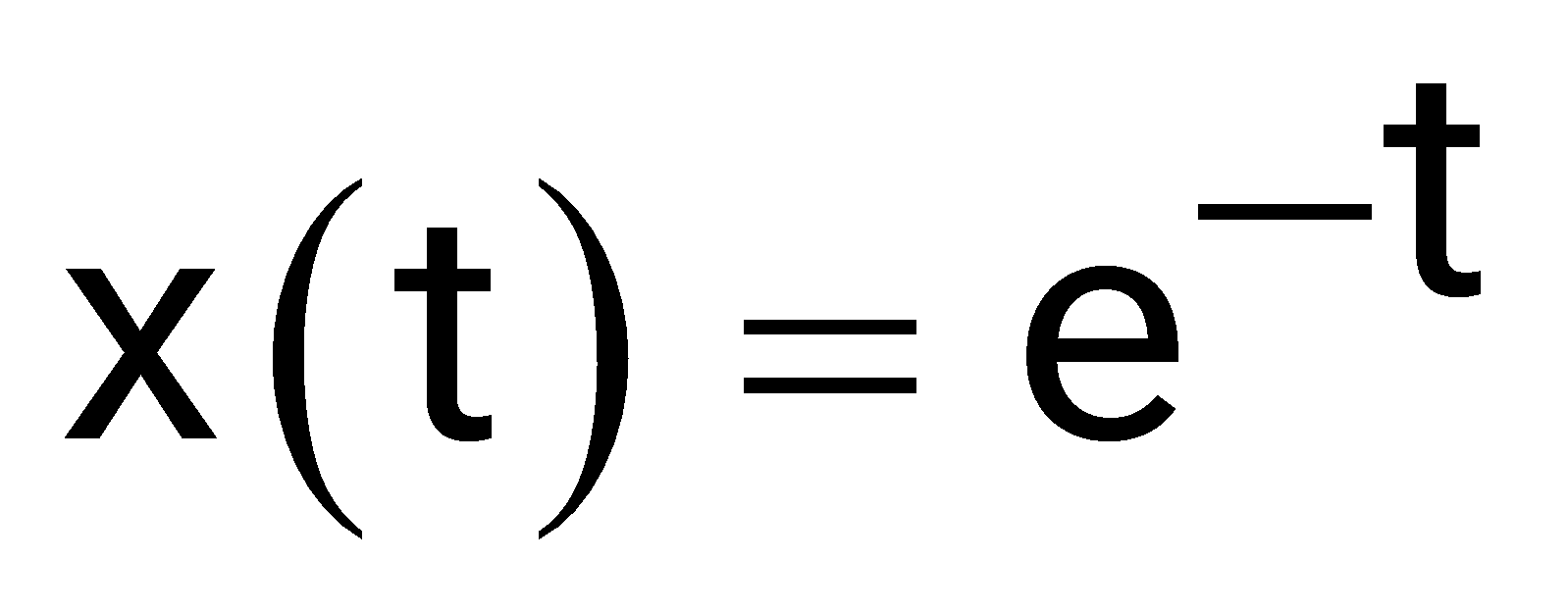
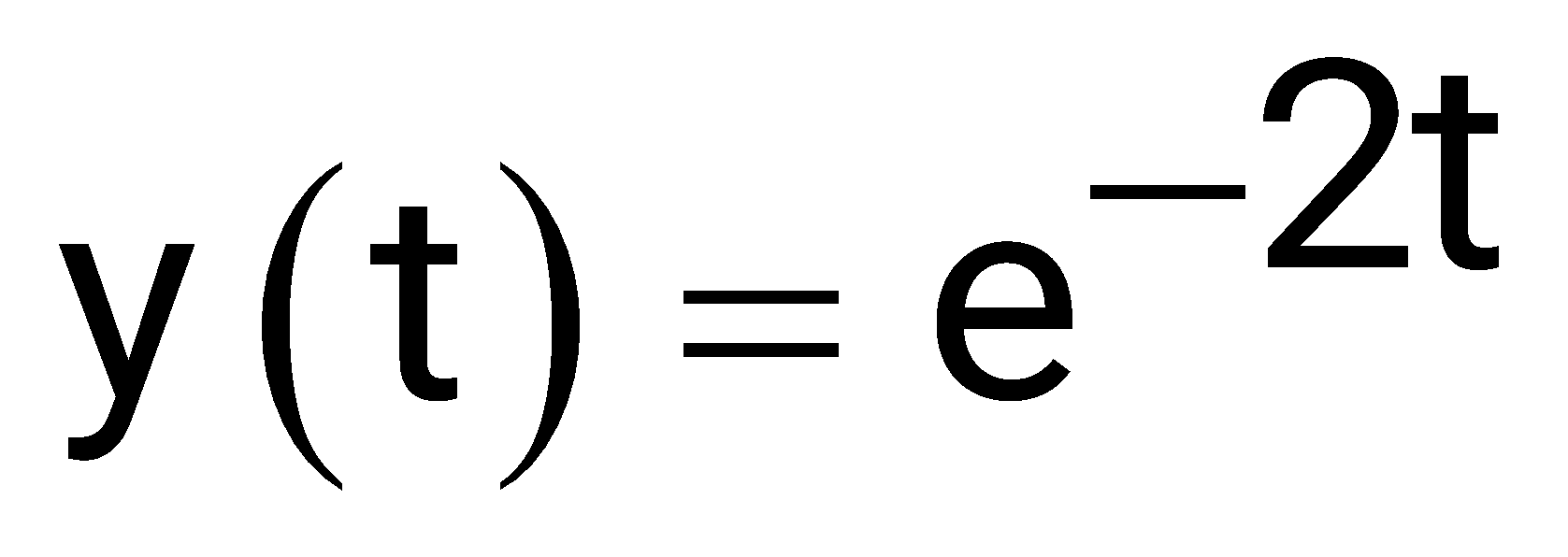
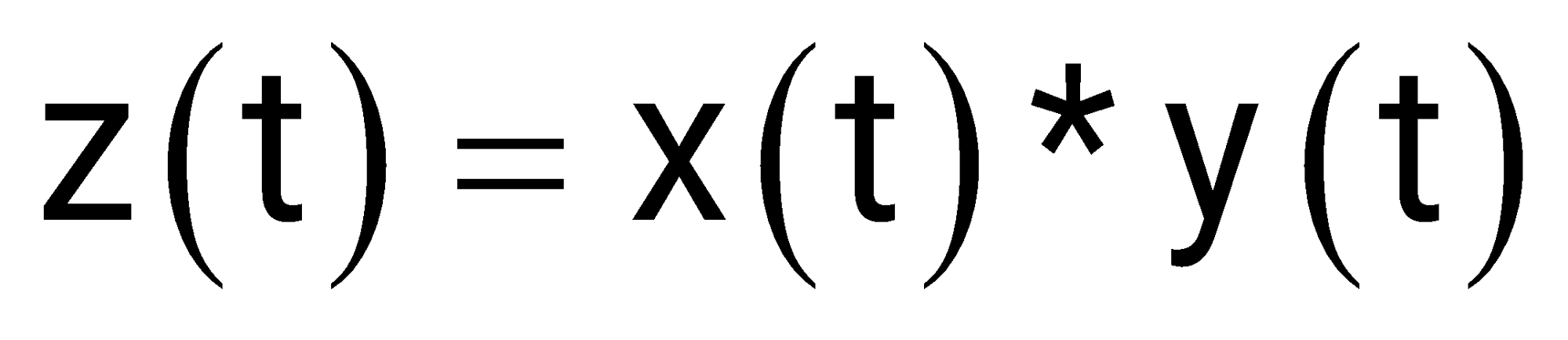
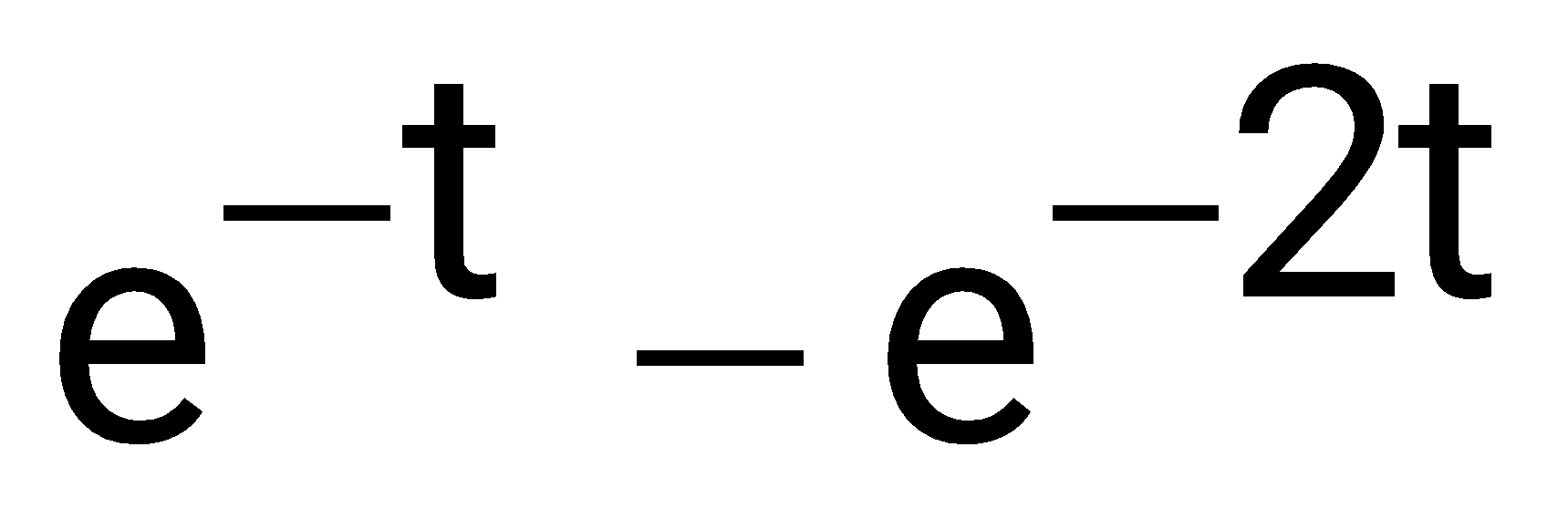
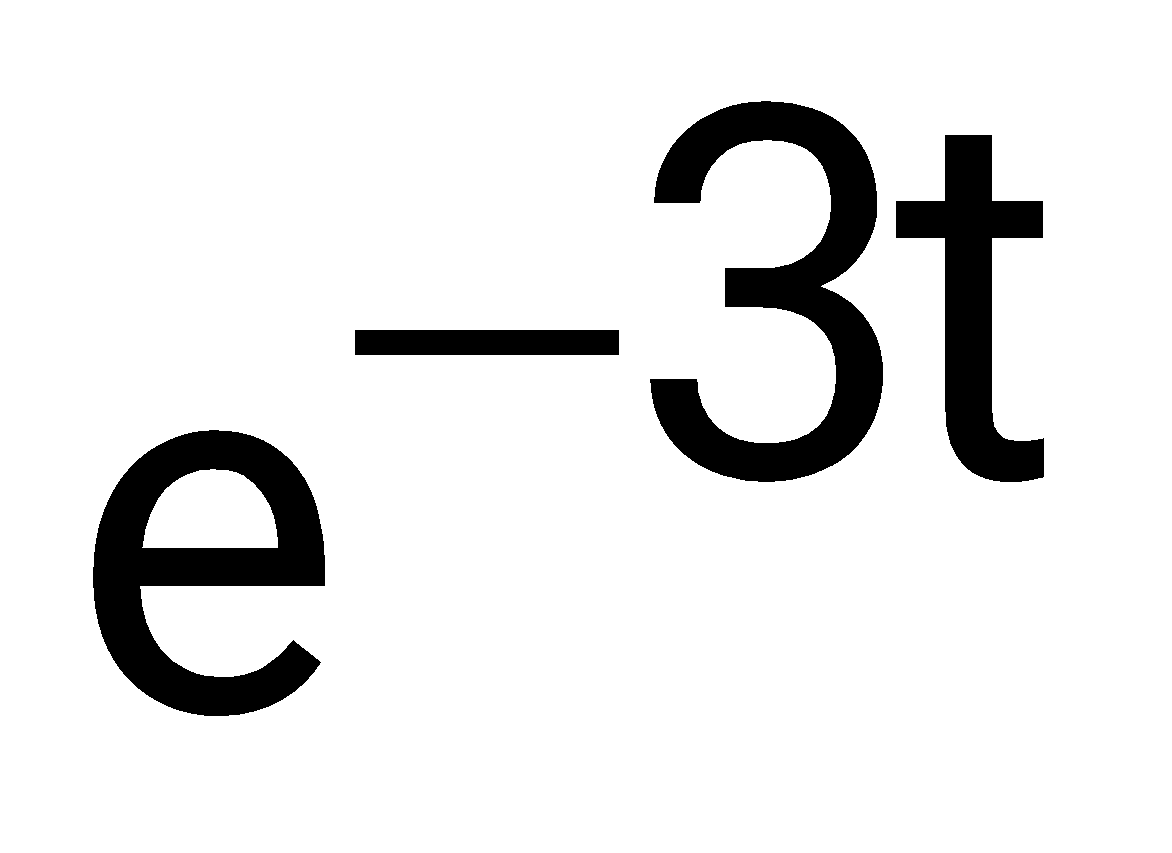
Sign in to see the solution
Log in to view the explanation, track your attempts, and keep your progress.
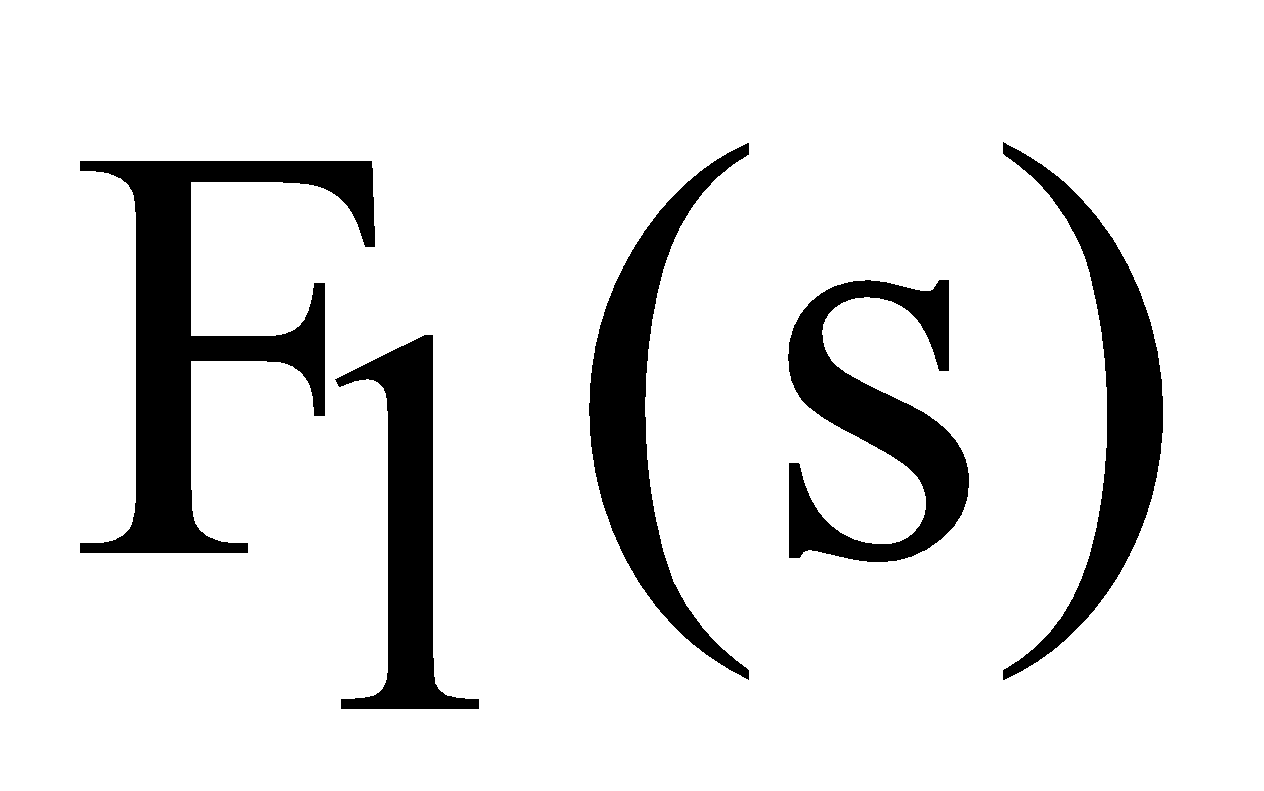
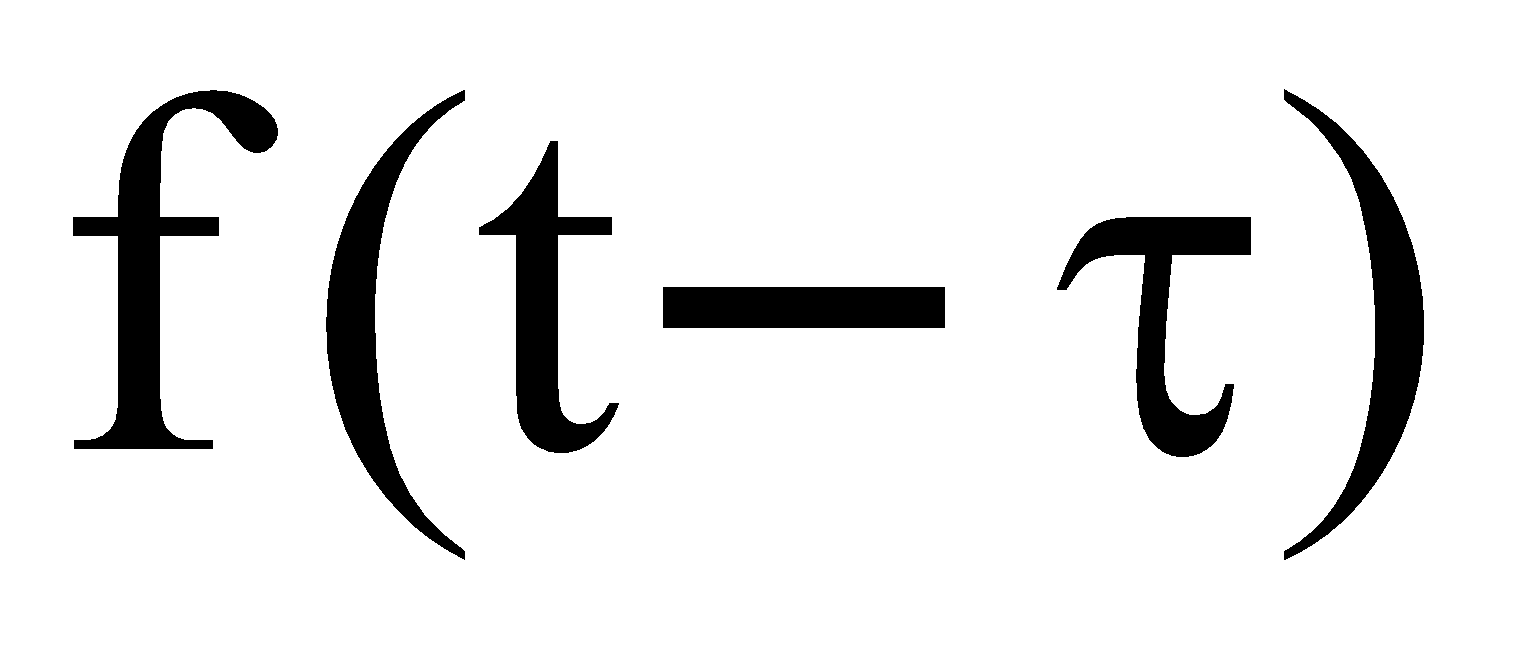
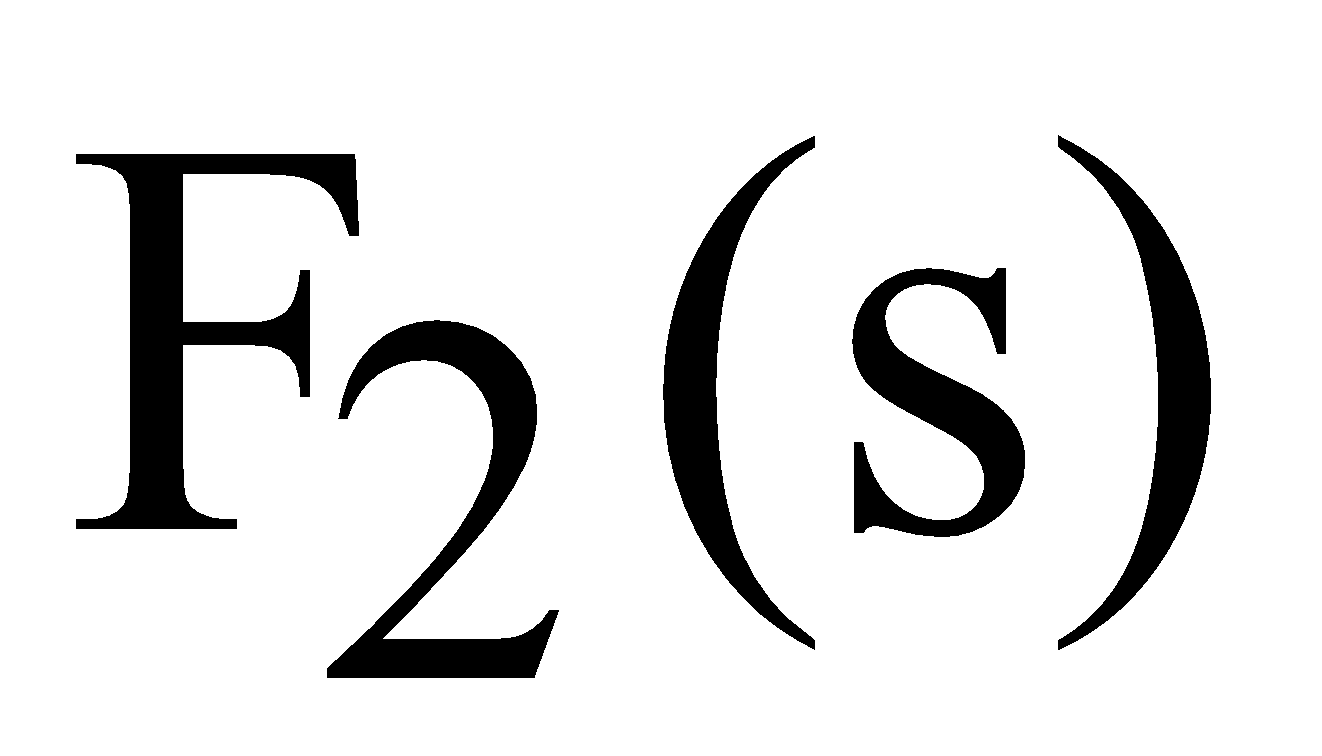
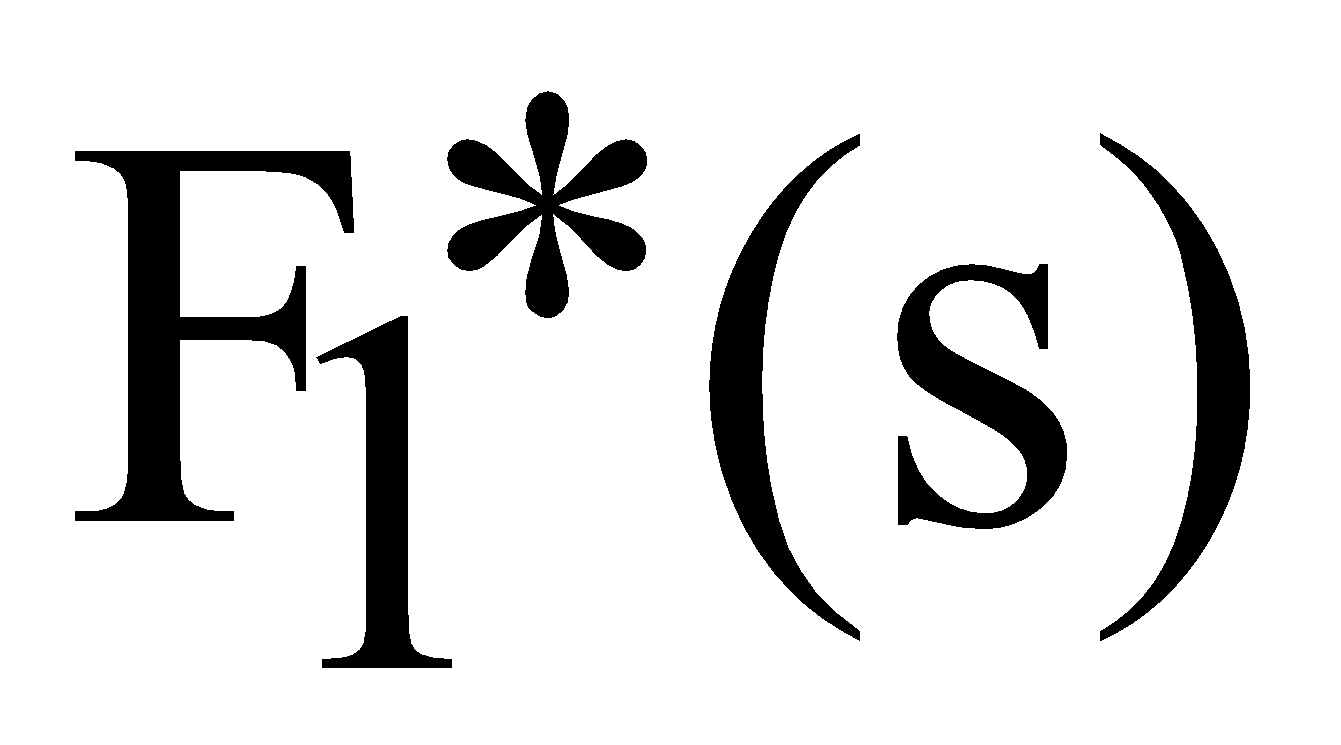
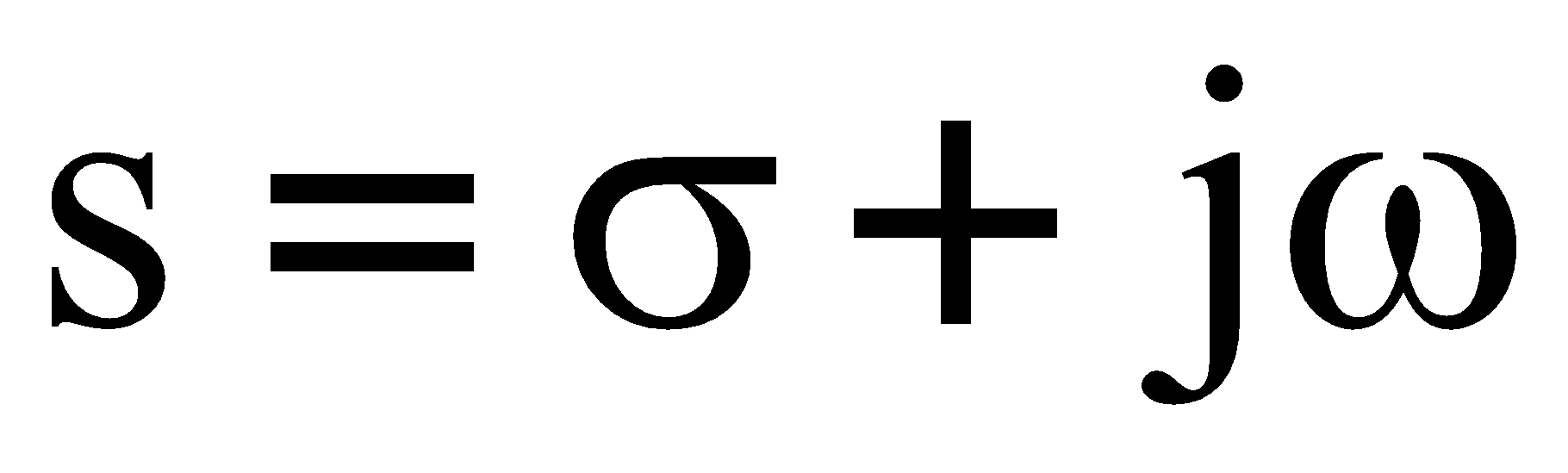
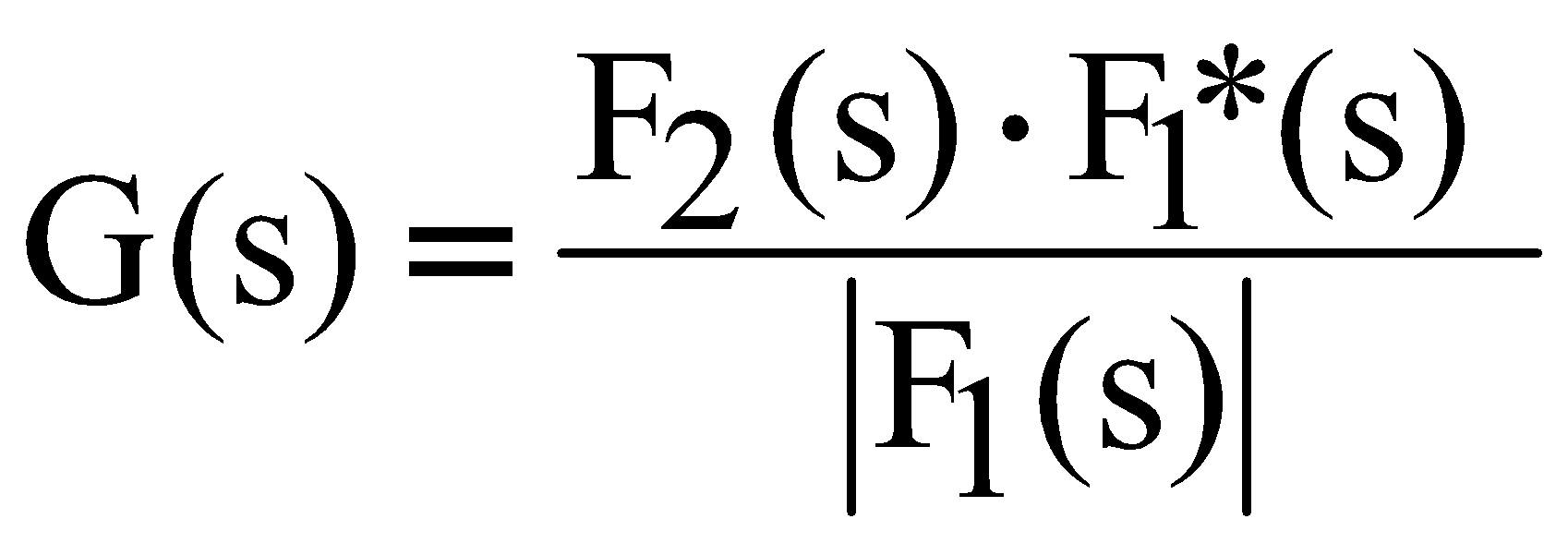
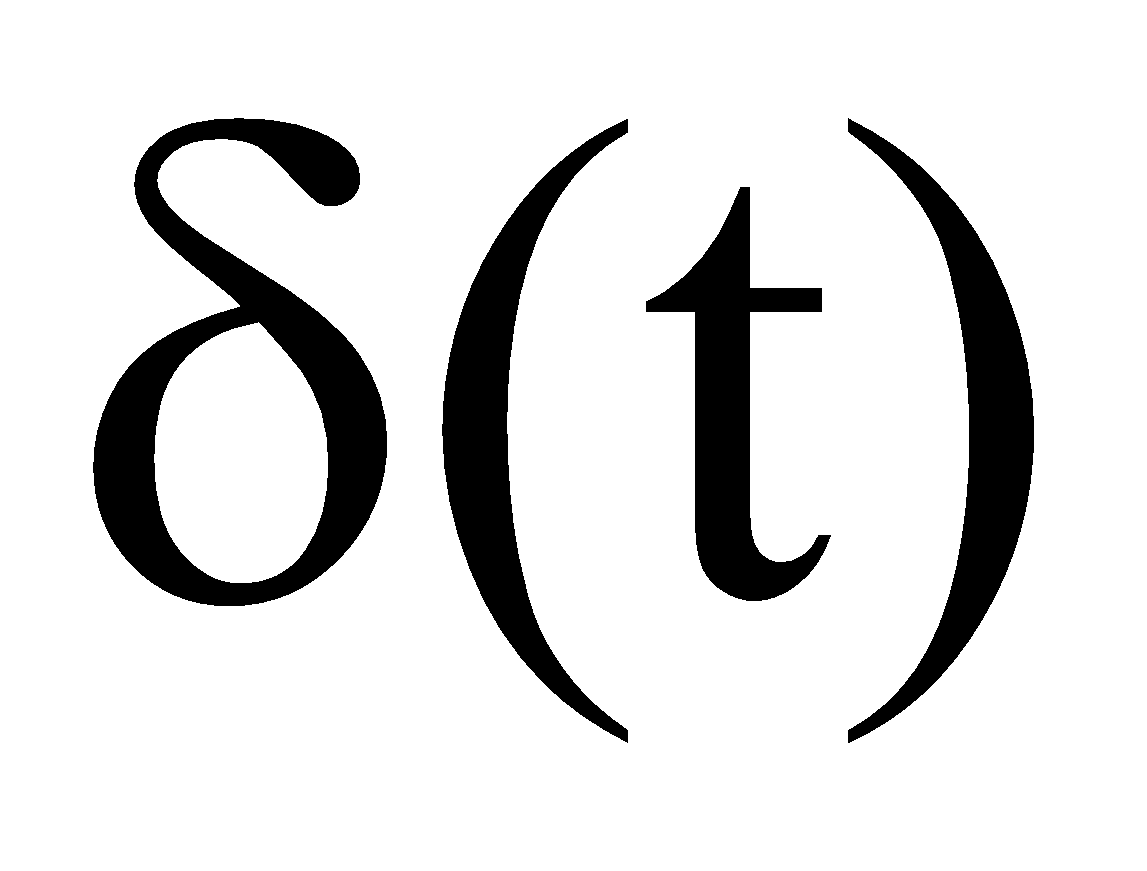
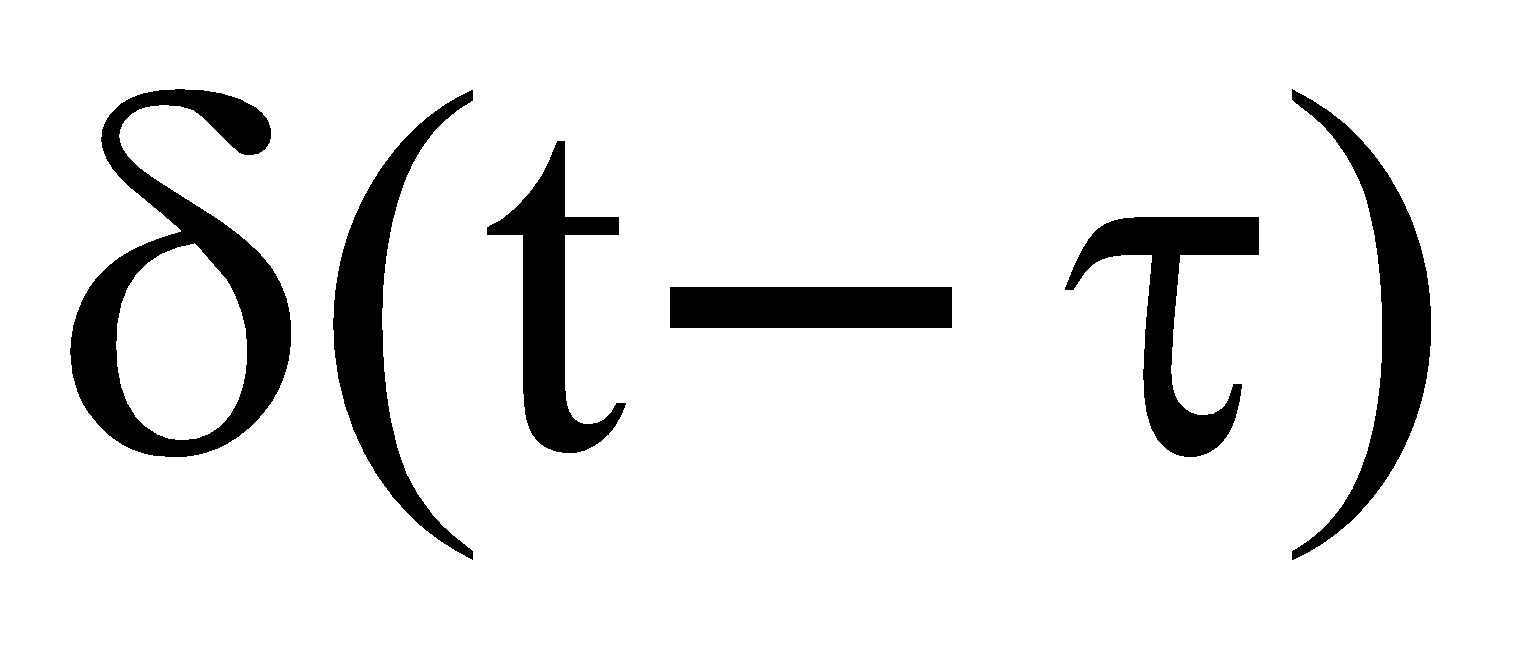
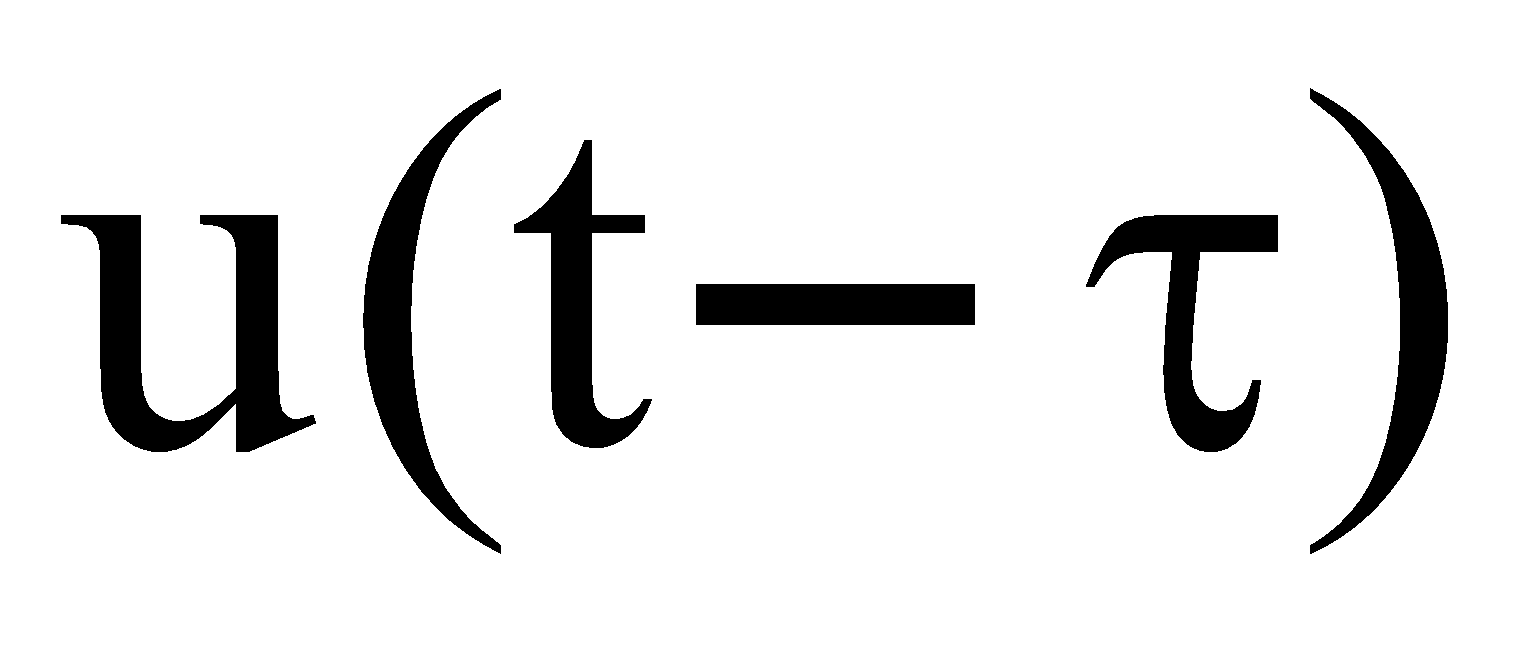
Sign in to UnlockLet the Laplace transform of a function f(t) which exists for t > 0 be and the Laplace transform of its delayed version be . Let be the complex conjugate of with the Laplace variable set as .If , then the inverse Laplace transform of G(s) is
An ideal impulse
An ideal delayed impulse
An ideal step function u(t)
An ideal delayed step function
Sign in to see the solution
Log in to view the explanation, track your attempts, and keep your progress.
Sign in to UnlockGiven f(t) and g(t) as shown below:
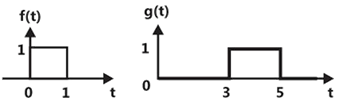
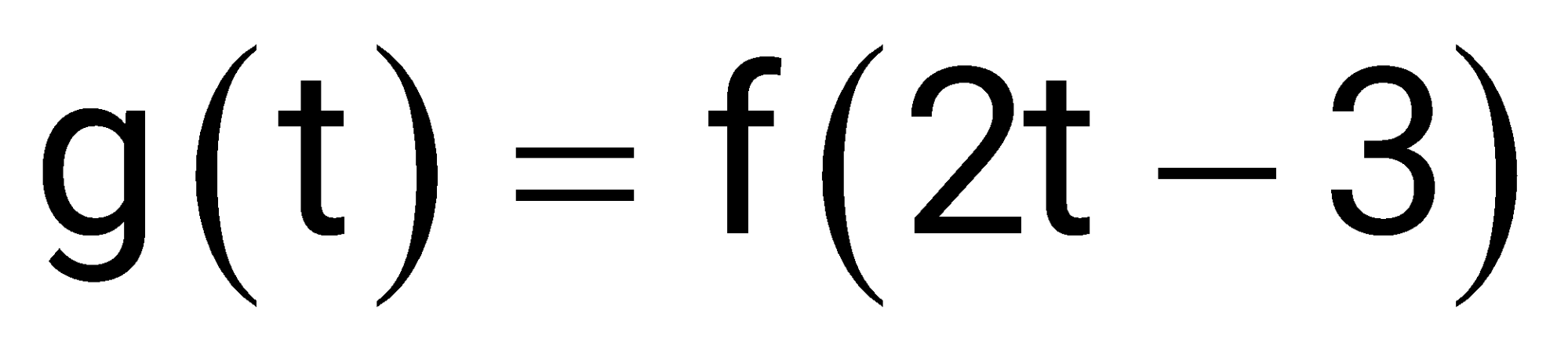
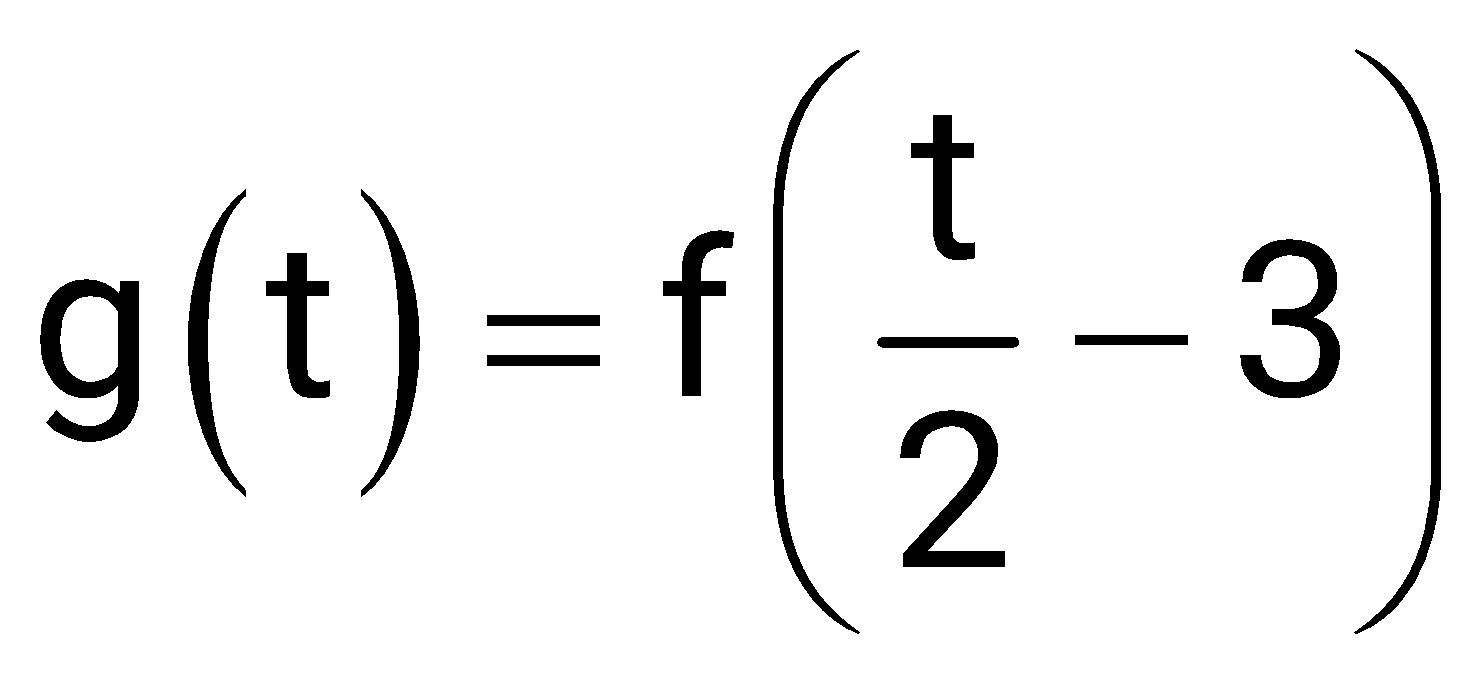
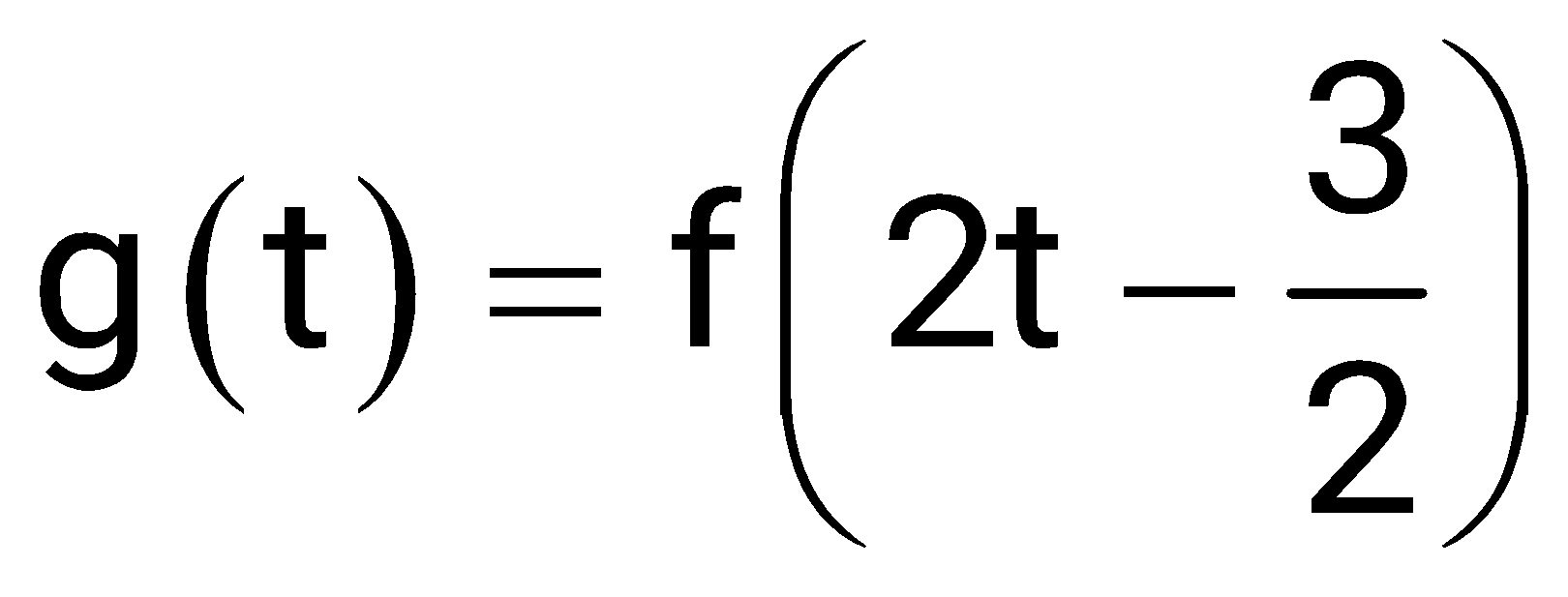
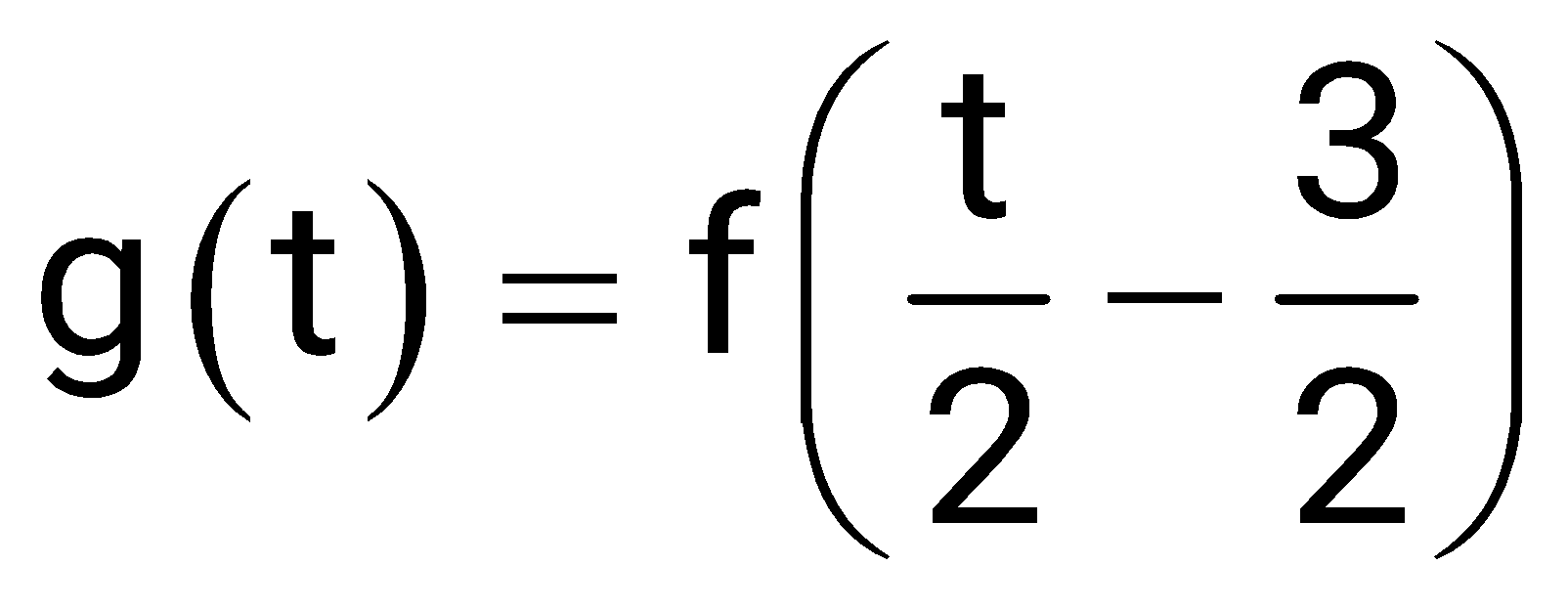
g(t) can be expressed as
Sign in to see the solution
Log in to view the explanation, track your attempts, and keep your progress.
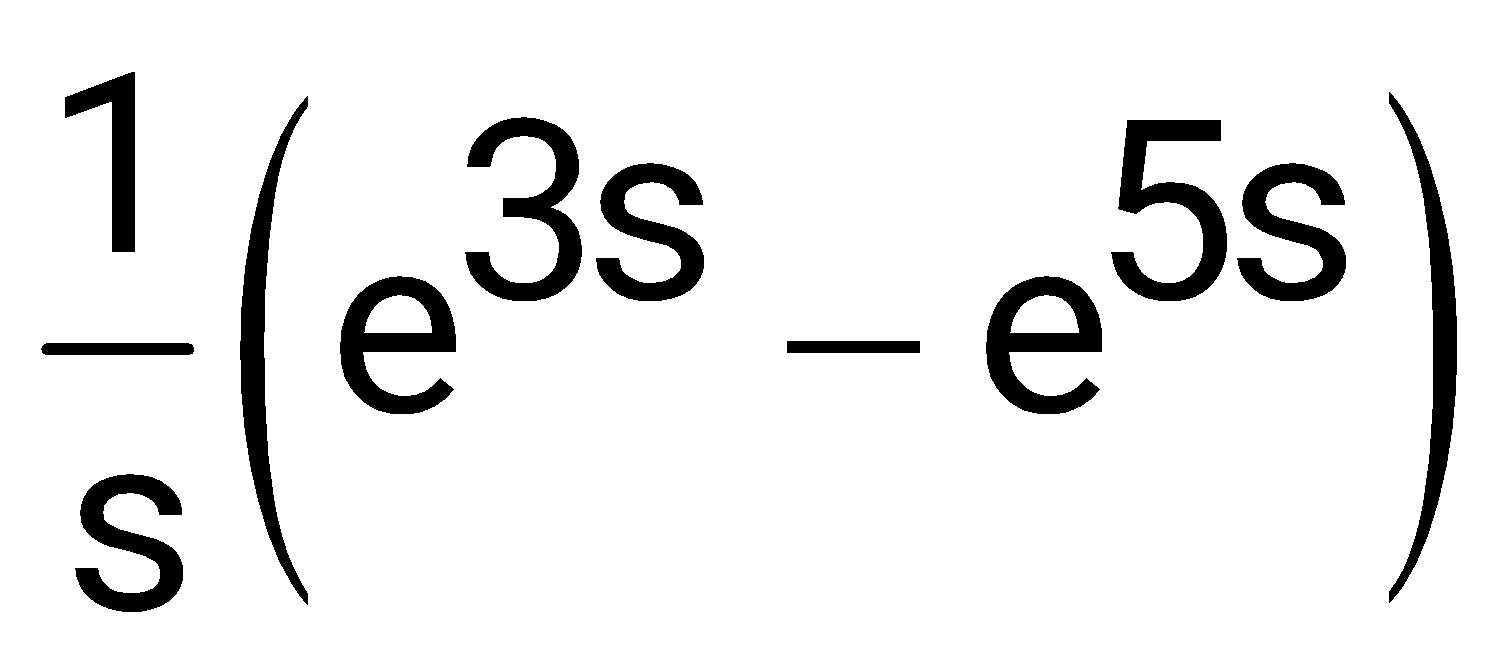
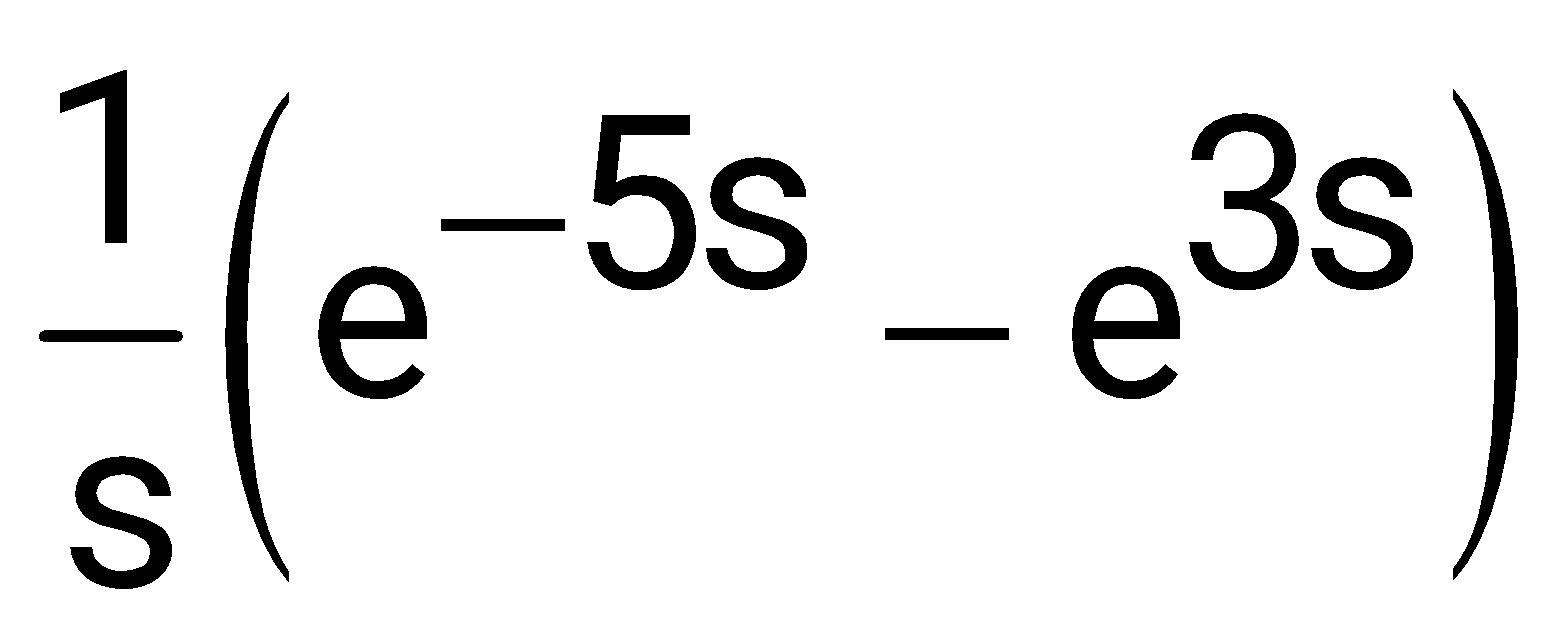
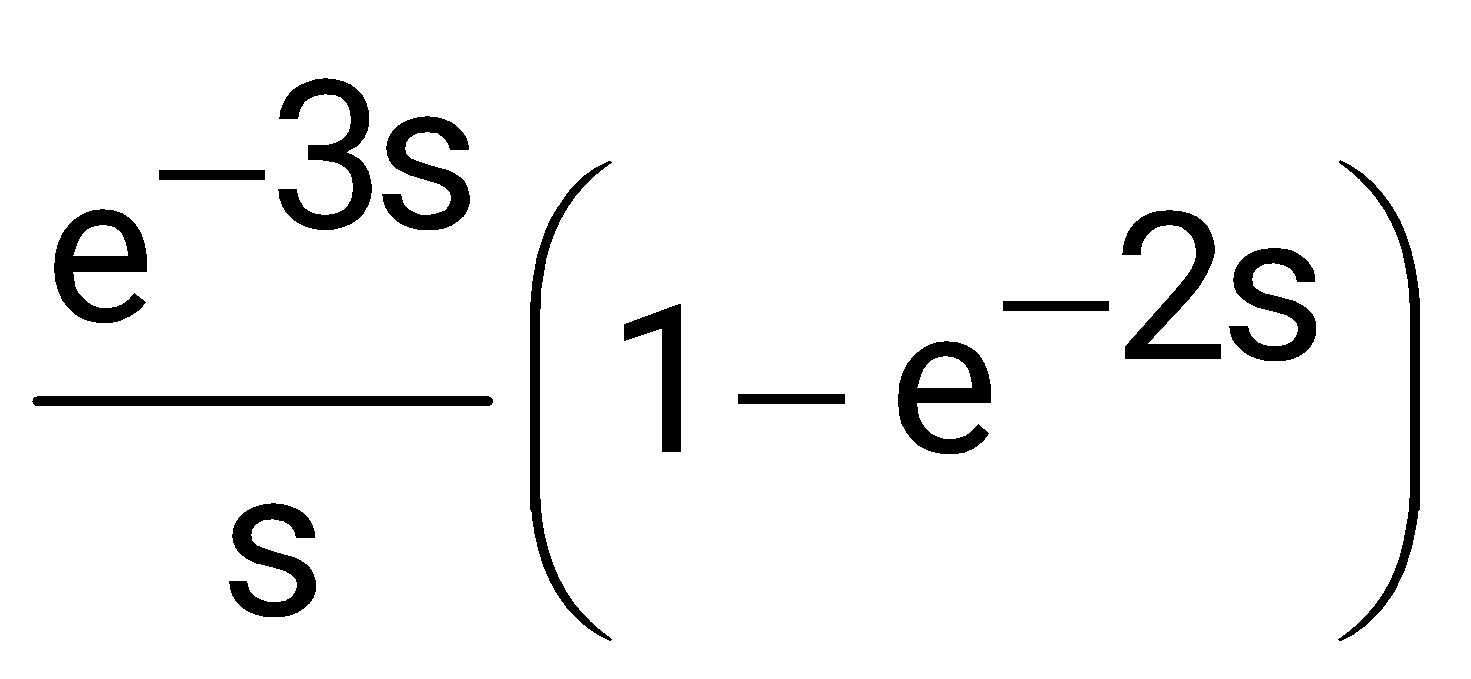
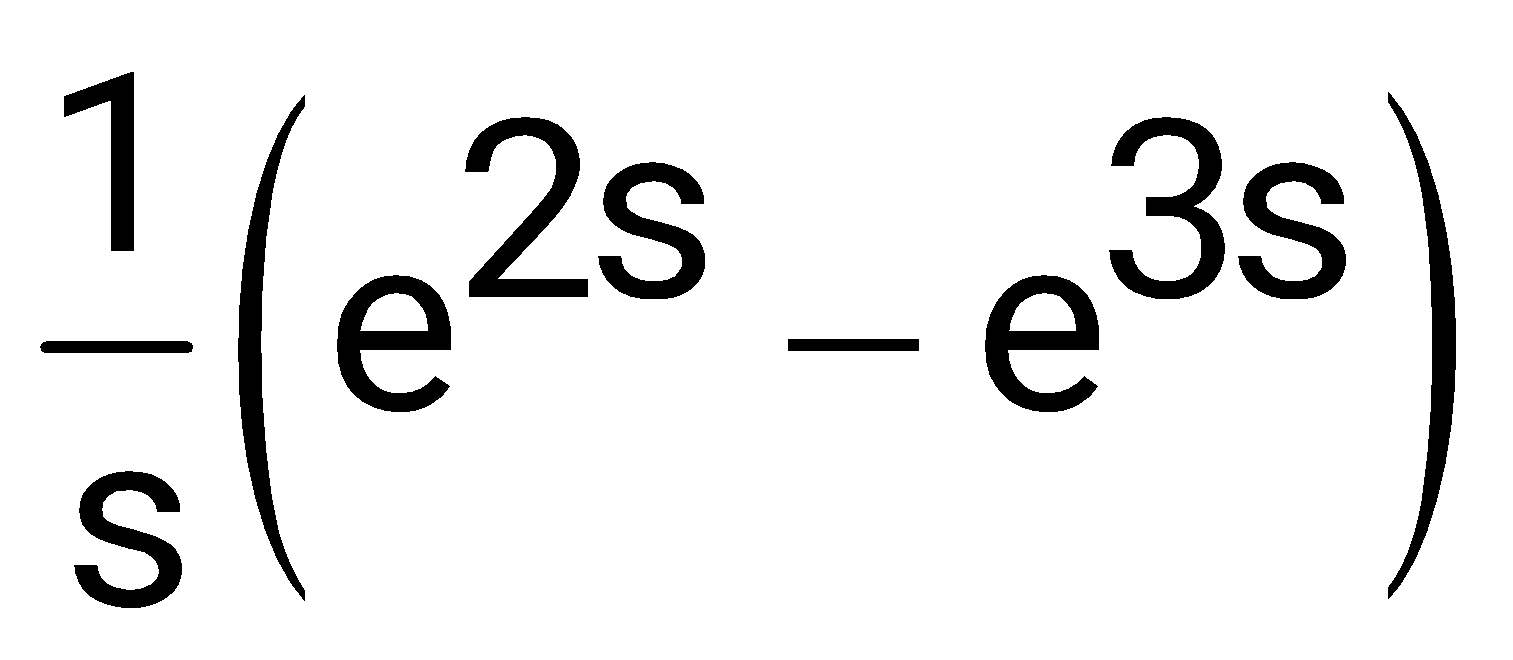
Sign in to UnlockGiven f(t) and g(t) as shown below:
The Laplace transform of g(t) is
Sign in to see the solution
Log in to view the explanation, track your attempts, and keep your progress.
Sign in to UnlockIf u(t), r(t) denote the unit step and unit ramp functions respectively and u(t)*r(t) their convolution. Then the function u(t+1)*r(t−2) is given by
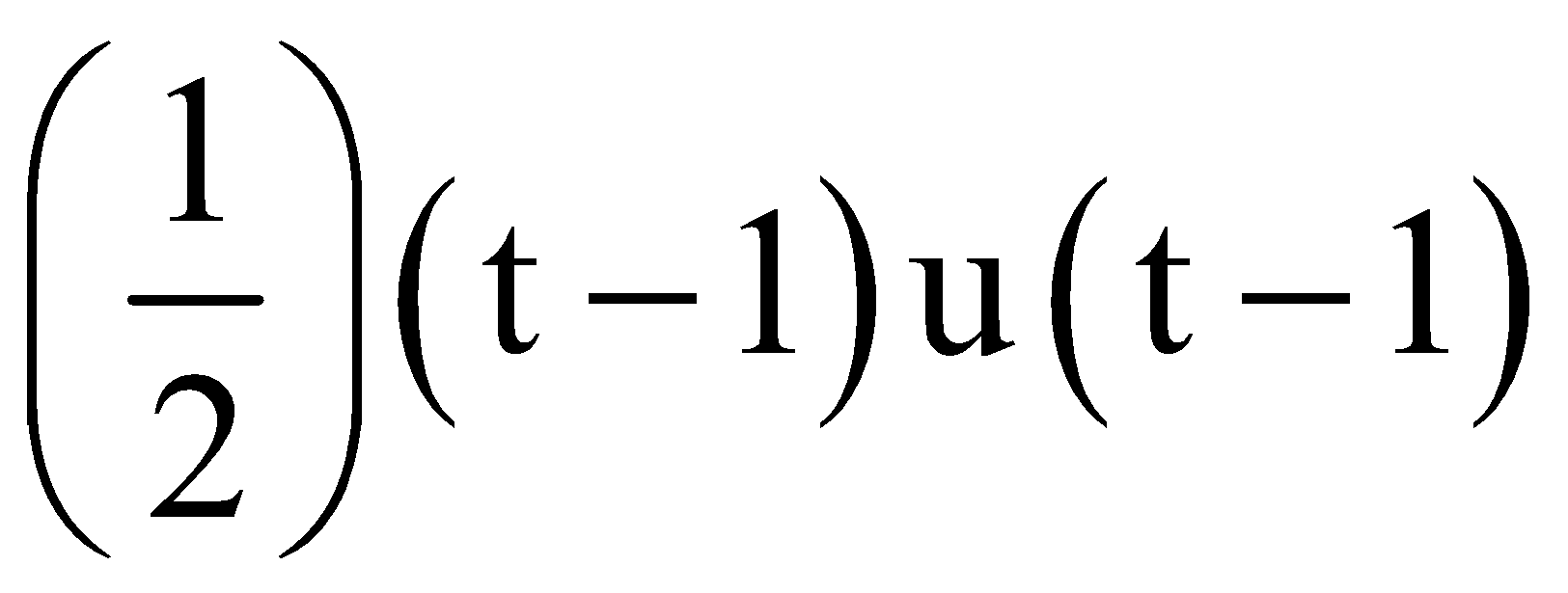
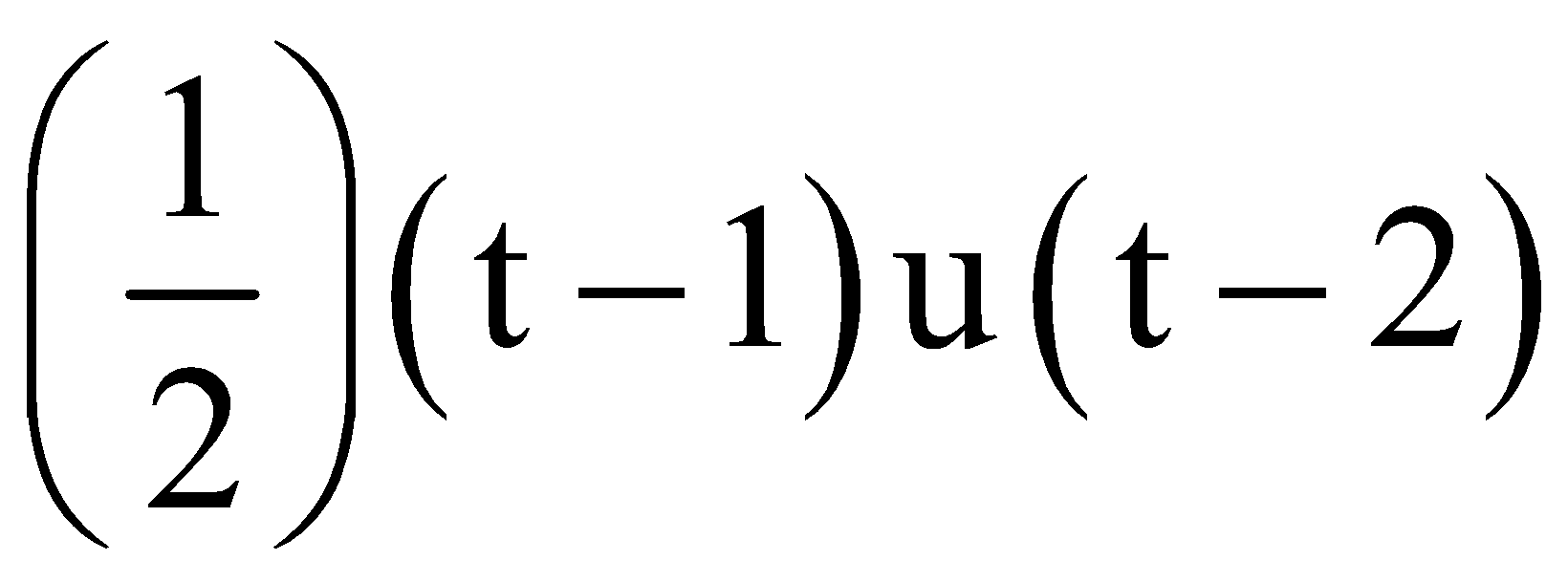
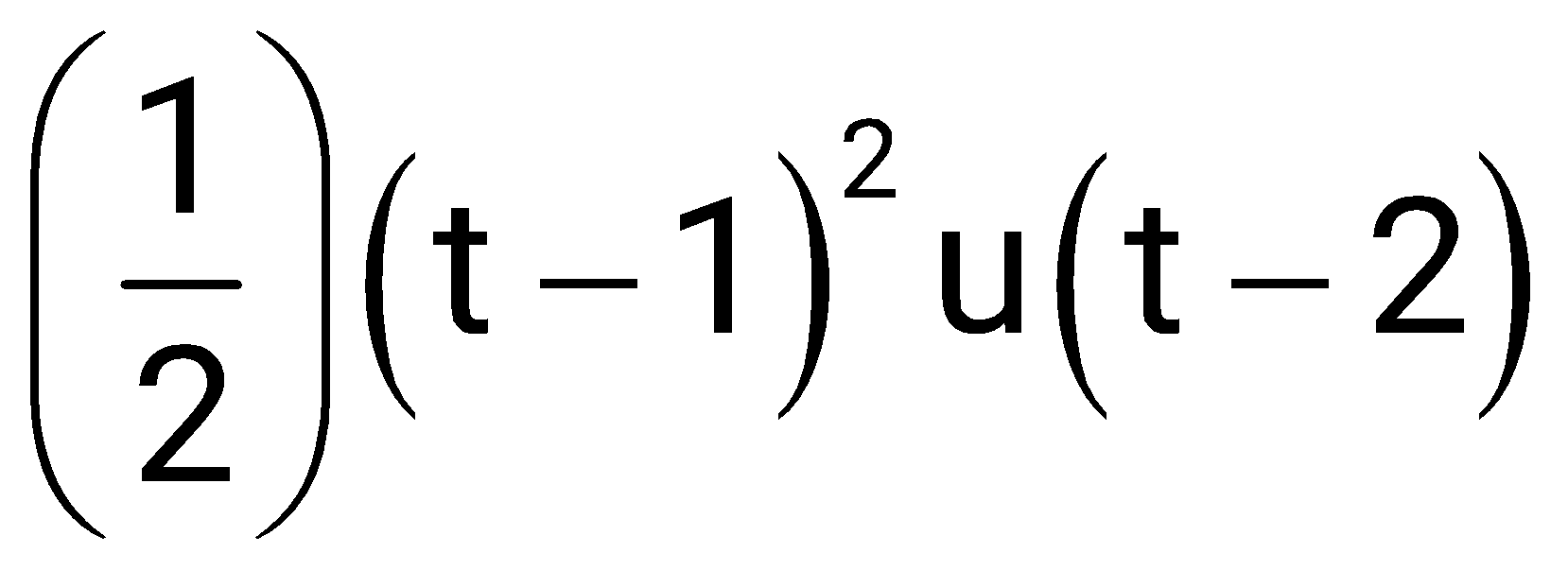
None of the above.
Sign in to see the solution
Log in to view the explanation, track your attempts, and keep your progress.
Sign in to UnlockThe running integrator, given by
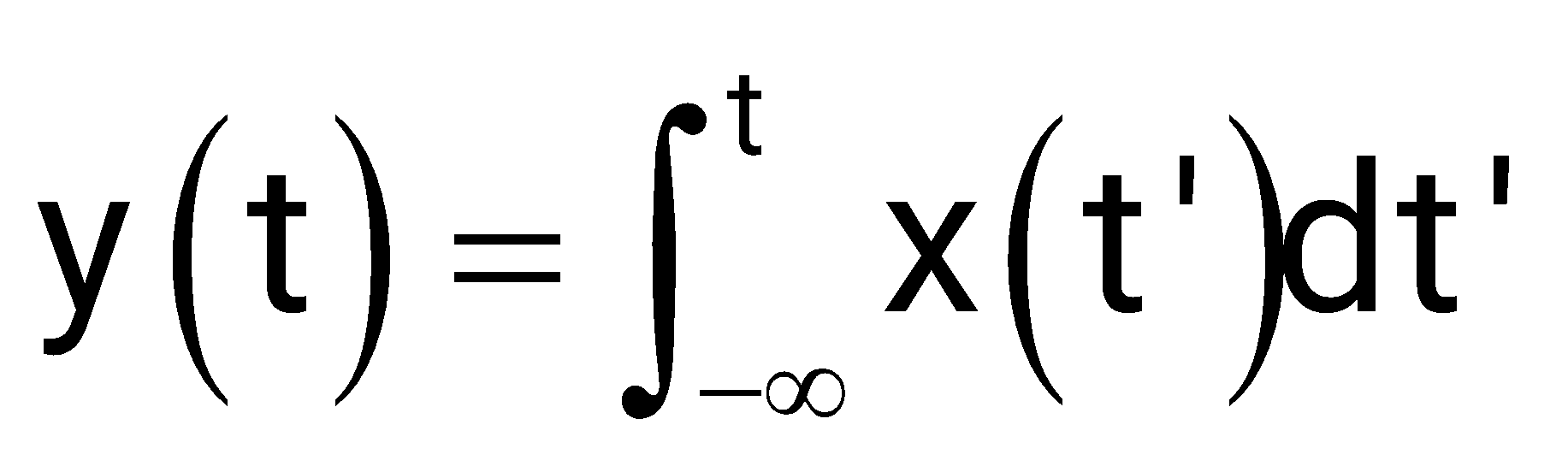
Sign in to see the solution
Log in to view the explanation, track your attempts, and keep your progress.
Sign in to UnlockThe Laplace transform of a function f(t) is . As t →∞, f(t) approaches
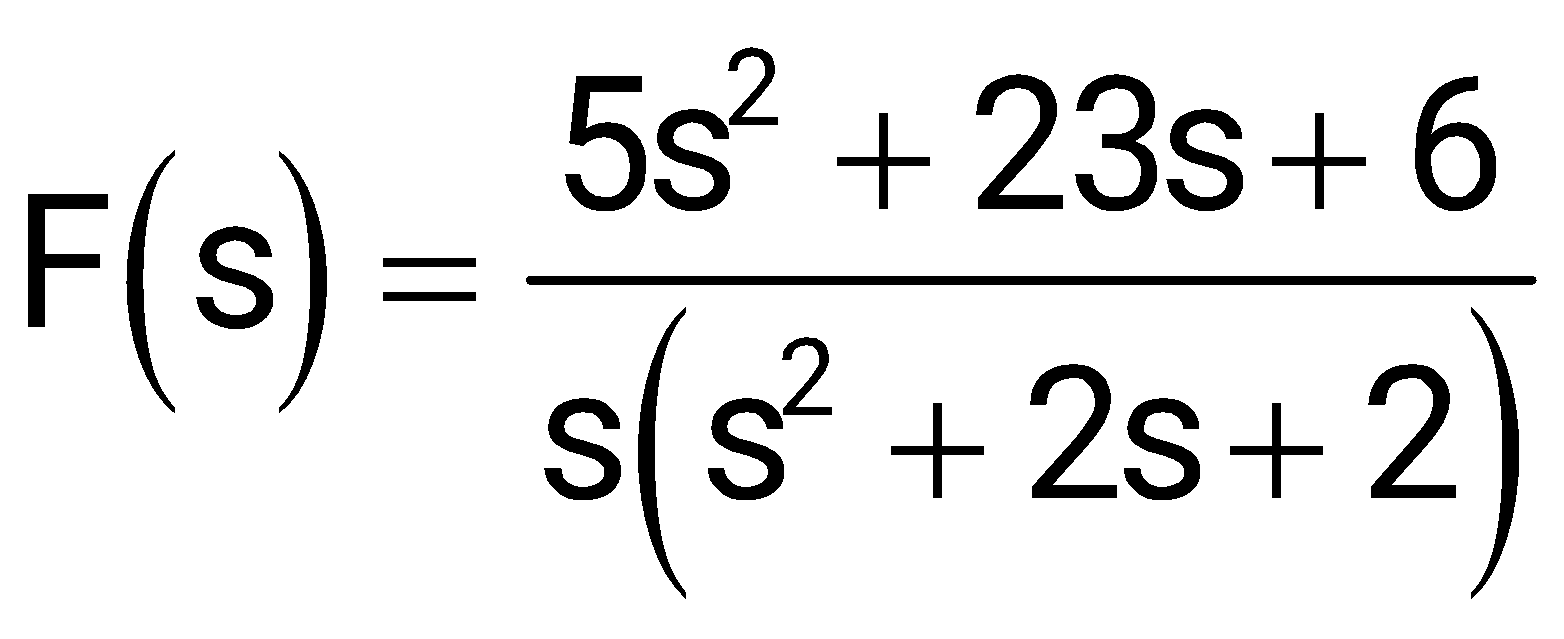
3
5
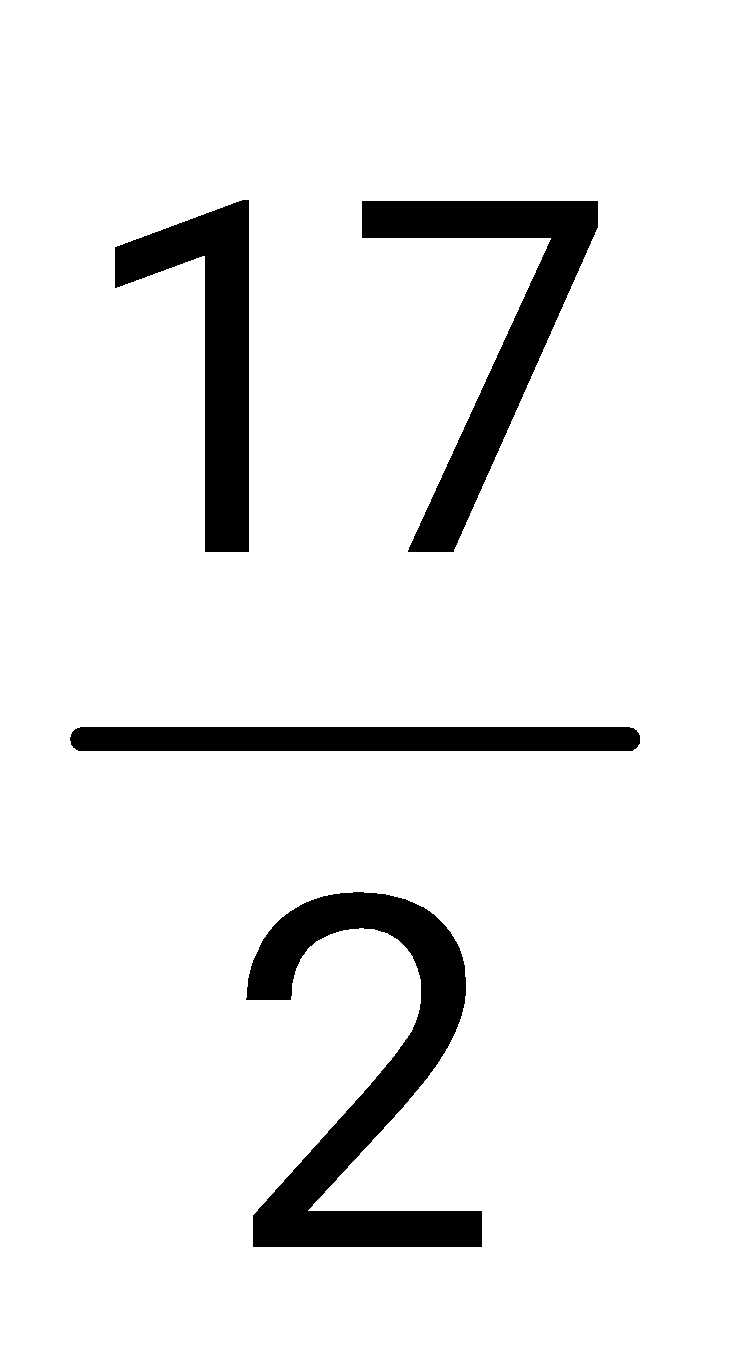
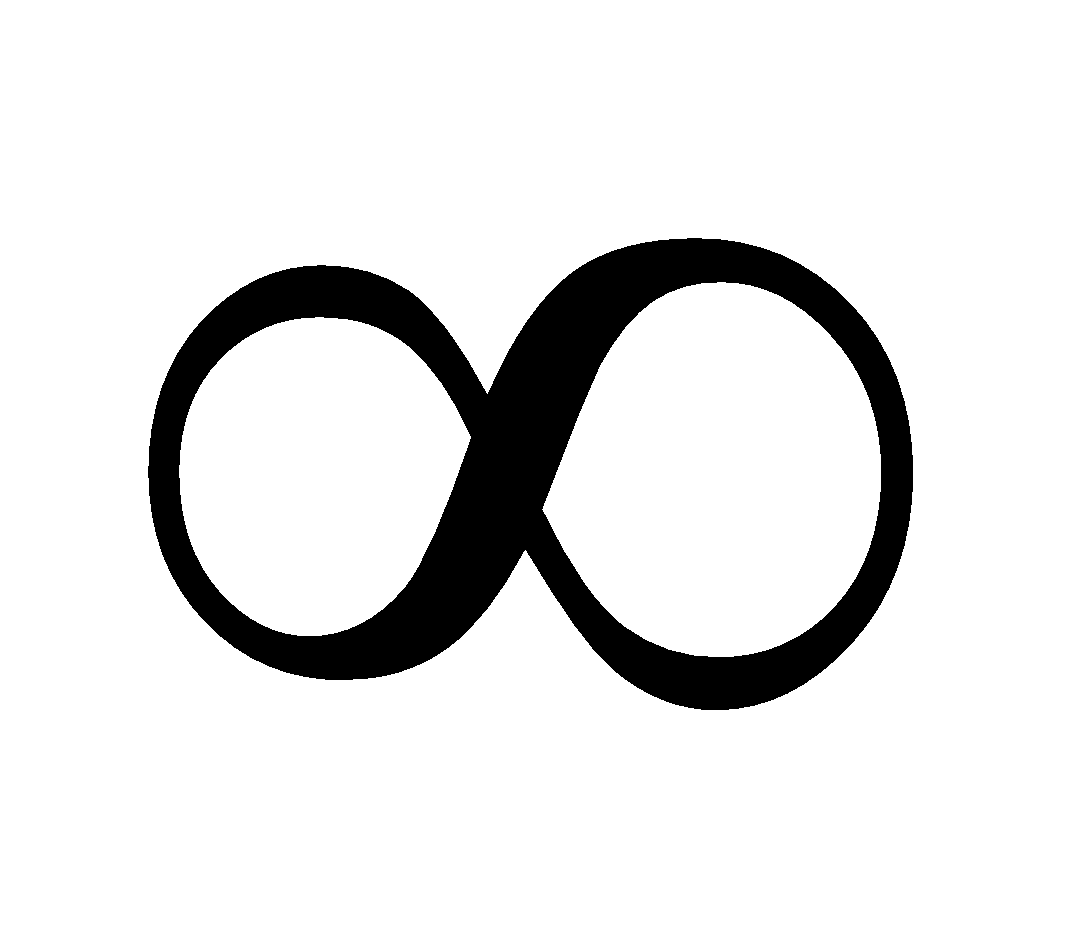
Sign in to see the solution
Log in to view the explanation, track your attempts, and keep your progress.
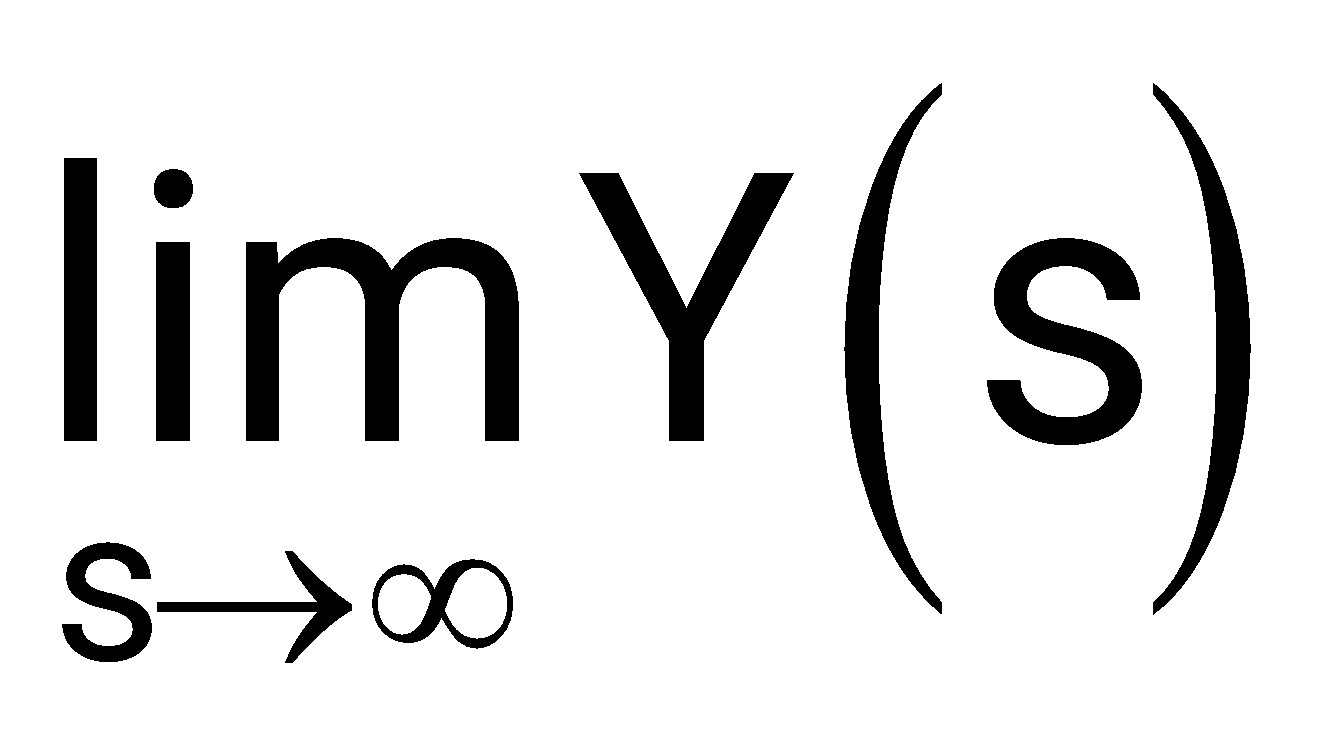
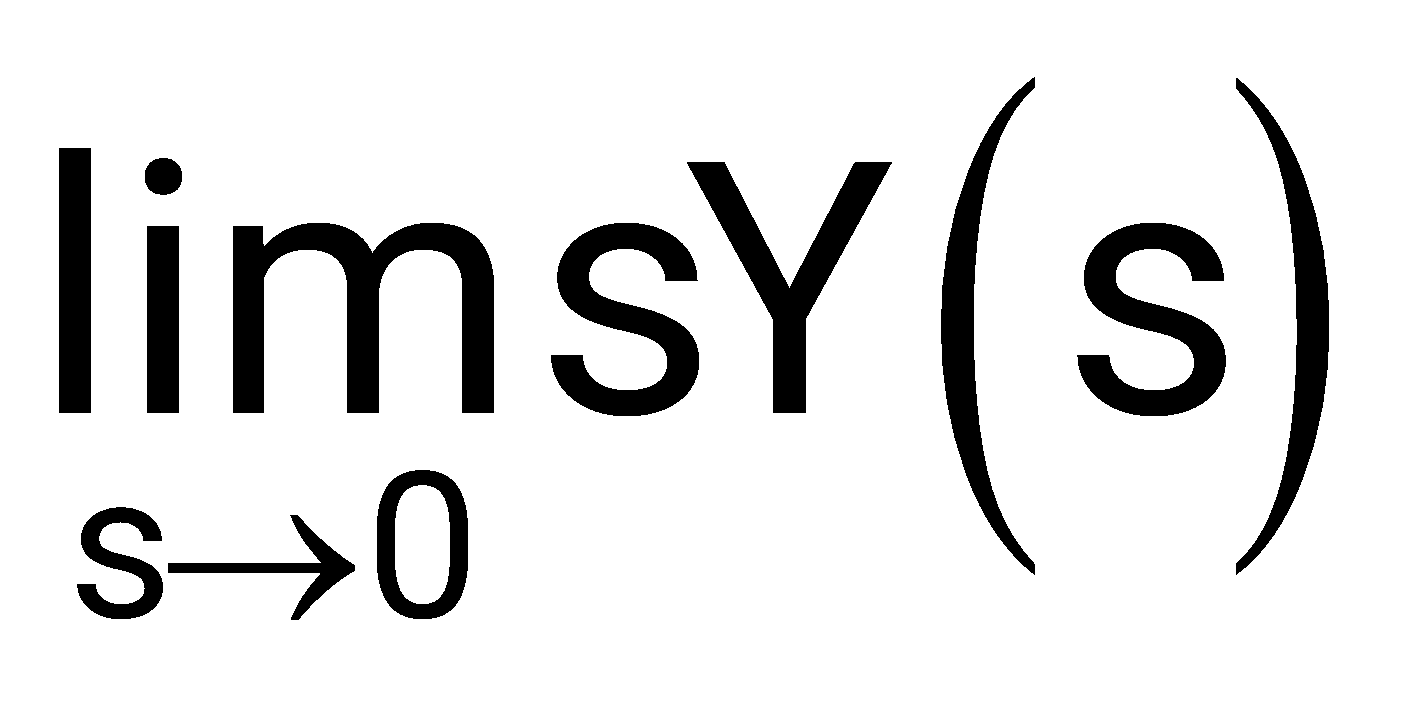
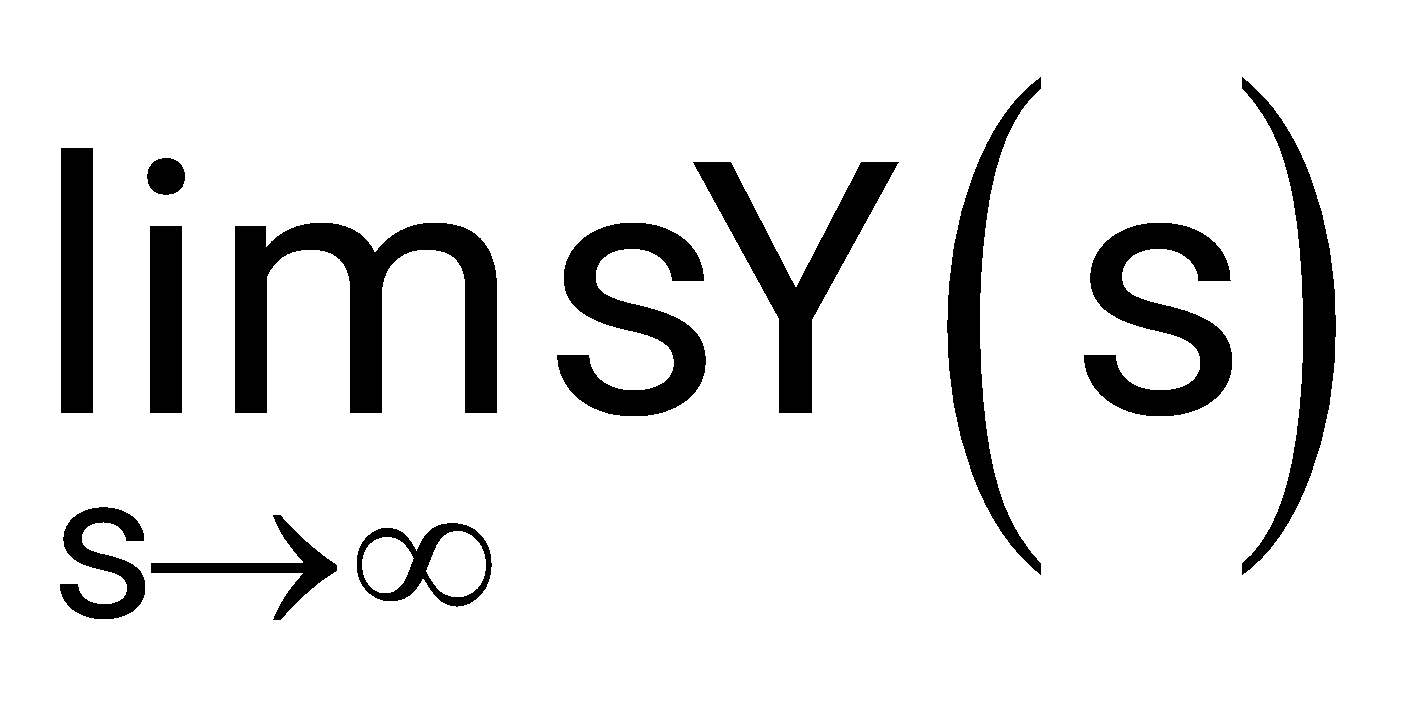
Sign in to UnlockLet Y(s) be the Laplace transformation of the function y(t), then the final value of the function is
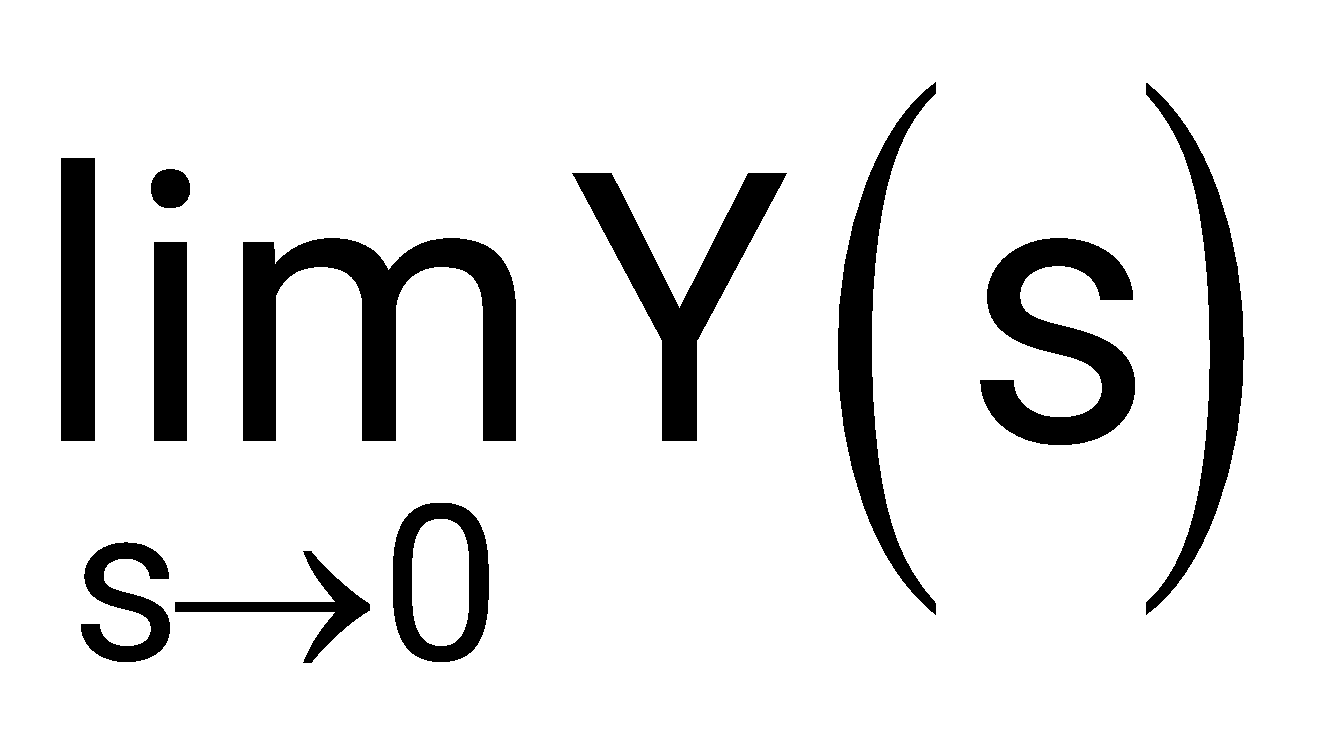
Sign in to see the solution
Log in to view the explanation, track your attempts, and keep your progress.
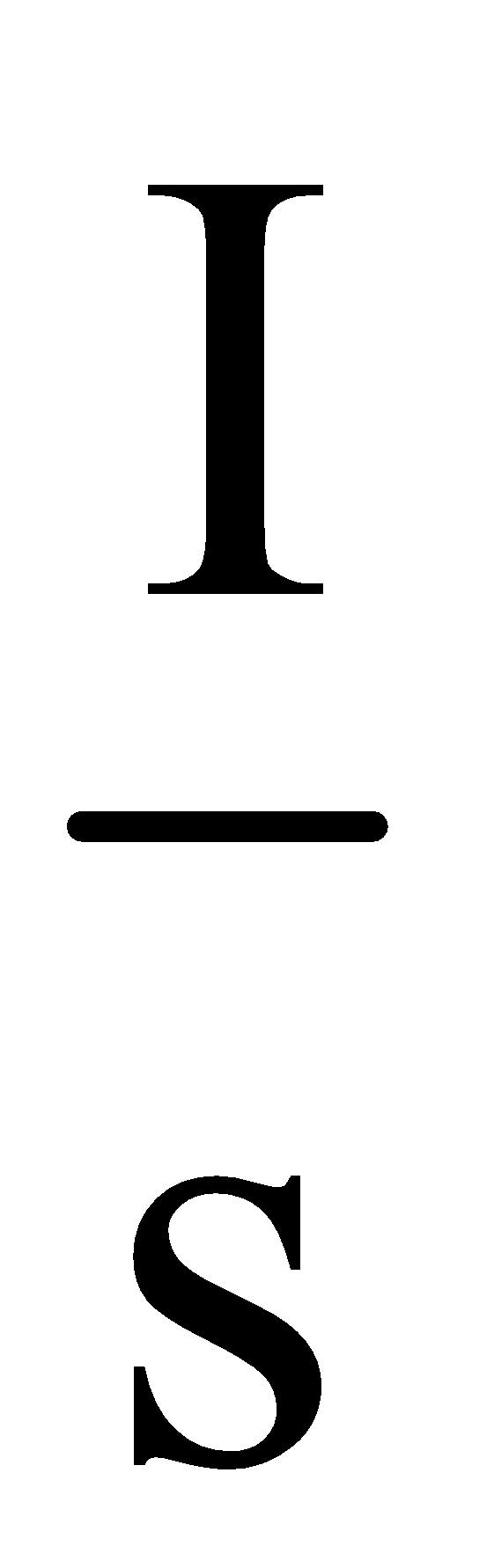
Sign in to UnlockA rectangular current pulse of duration T and magnitude I has the Laplace transform
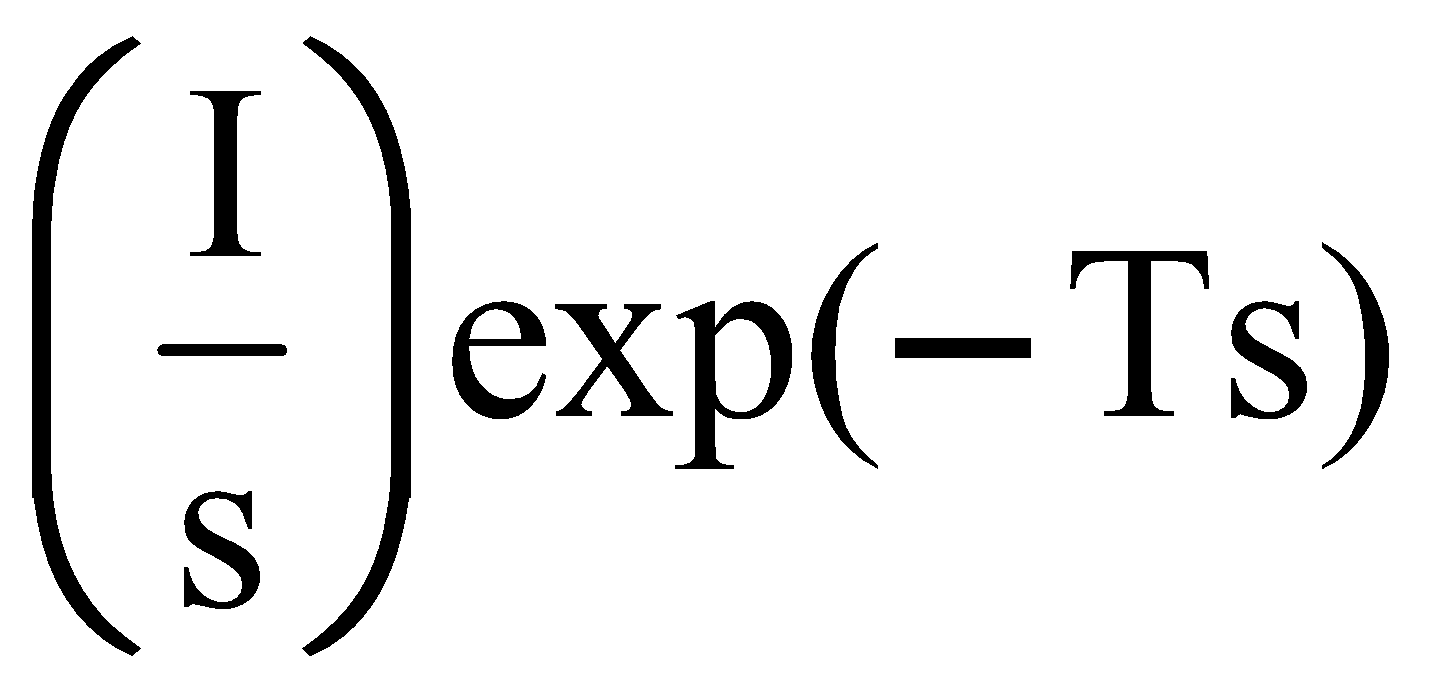
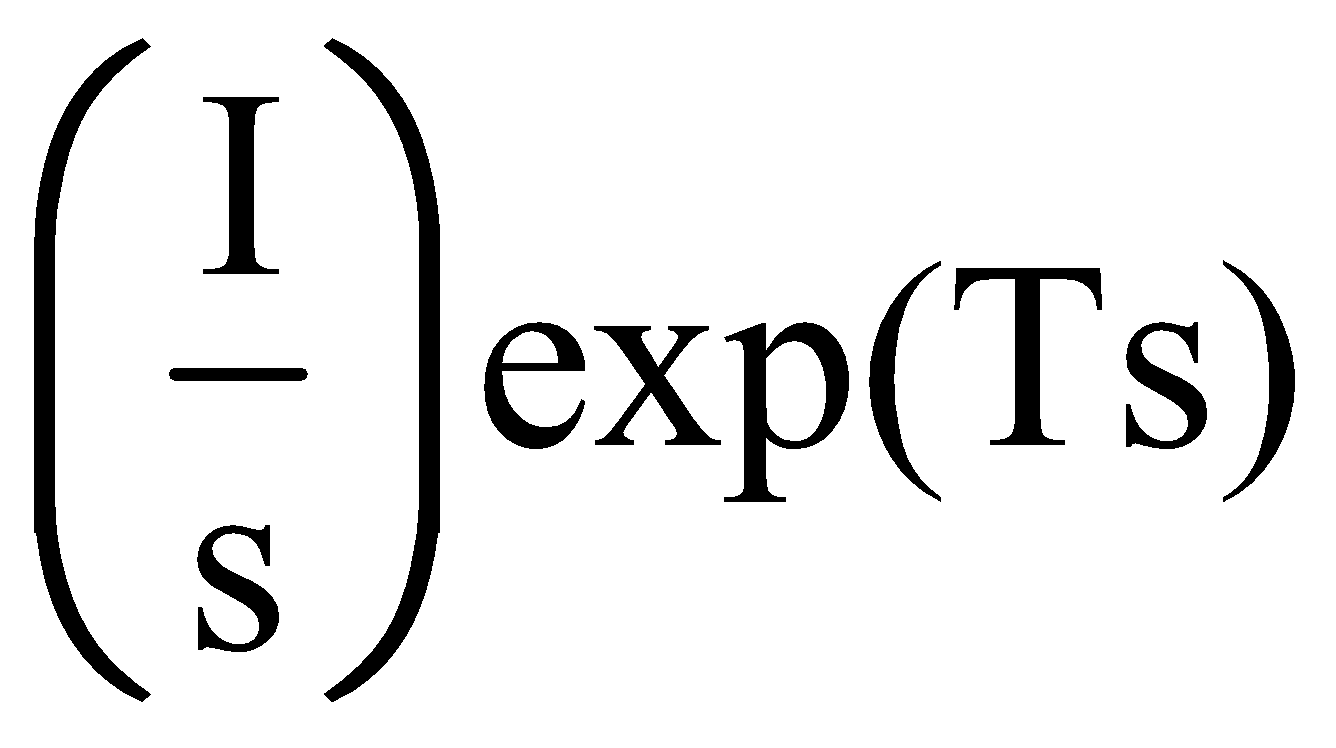
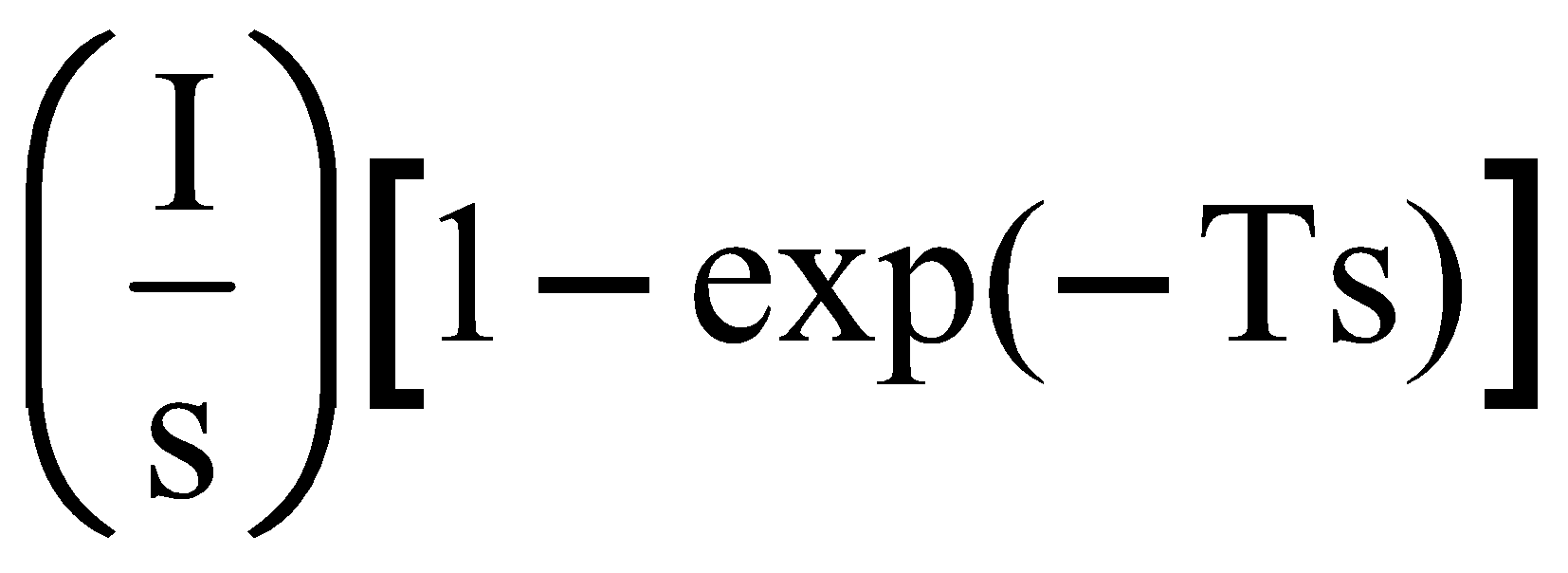
Sign in to see the solution
Log in to view the explanation, track your attempts, and keep your progress.
Sign in to UnlockThe convolution of the functions and is equal to _________.
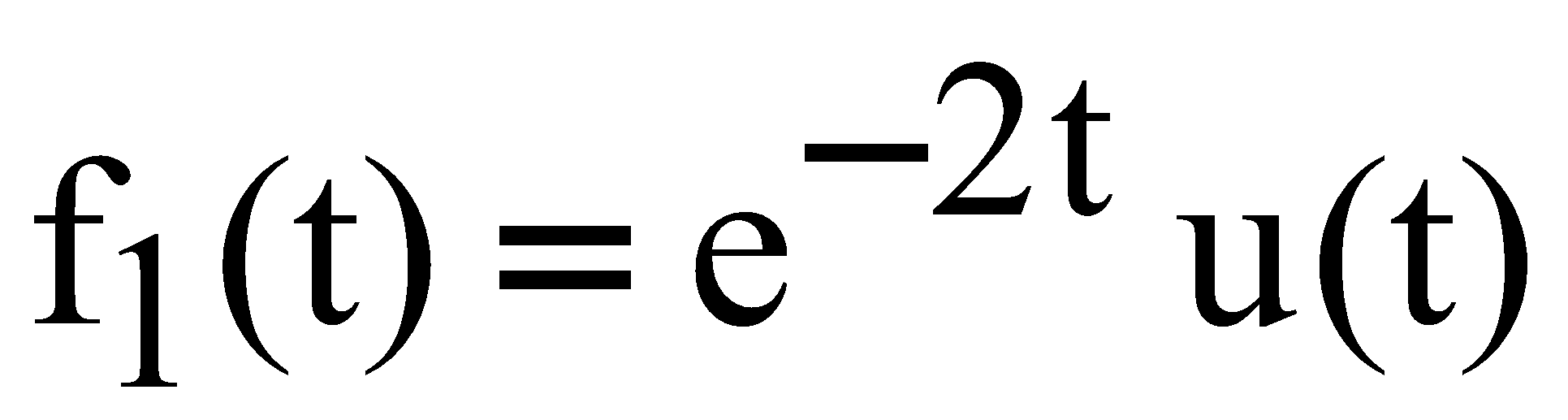
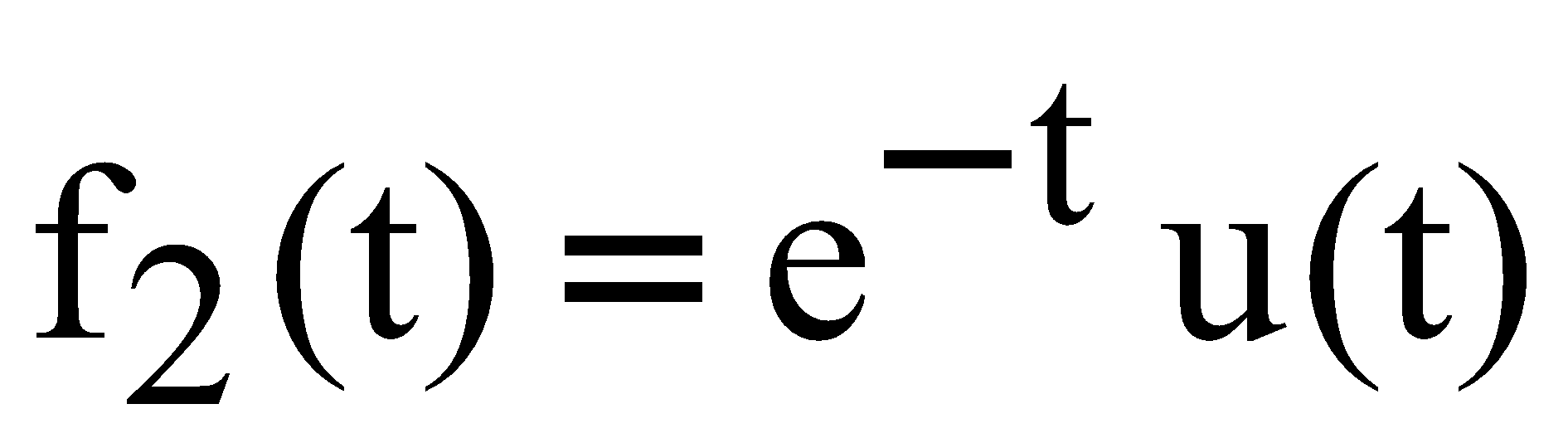
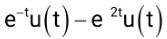
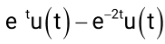
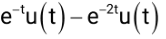
None of these
Sign in to see the solution
Log in to view the explanation, track your attempts, and keep your progress.
Sign in to Unlock