Measurement
Measurement of R,L and C
Measurement of Resistance
Questions mapped to Measurement of Resistance under Measurement of R,L and C.
12
Total0
Attempted0
Correct0
IncorrectThe resistance values of the Wheatstone bridge shown are: . The battery voltage . The battery has an internal resistance of and the Galvanometer (G) has a resistance of .



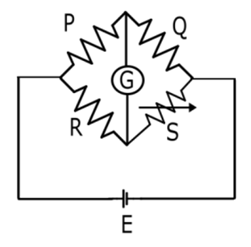
The value of the resistance S for balanced condition is (Answer in integer)


Sign in to see the solution
Log in to view the explanation, track your attempts, and keep your progress.
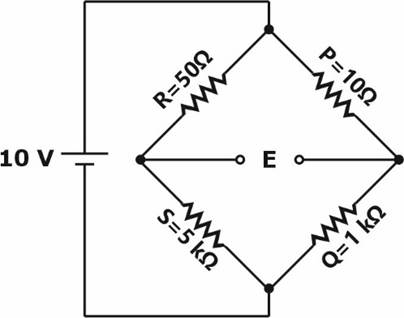
Sign in to UnlockIn the Wheatstone bridge shown below, the sensitivity of the bridge in terms of change in balancing voltage for unit change in the resistance , in , is __________ (round off to two decimal places).


Sign in to see the solution
Log in to view the explanation, track your attempts, and keep your progress.
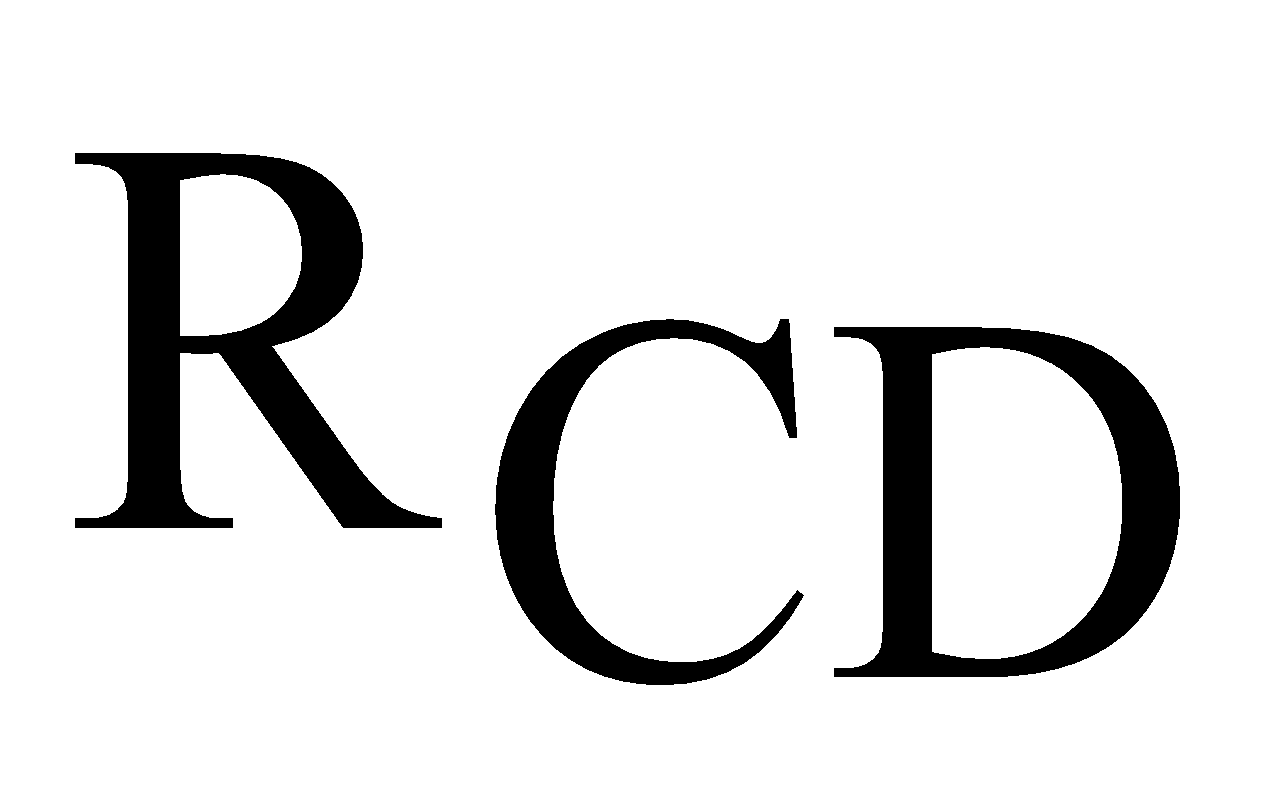
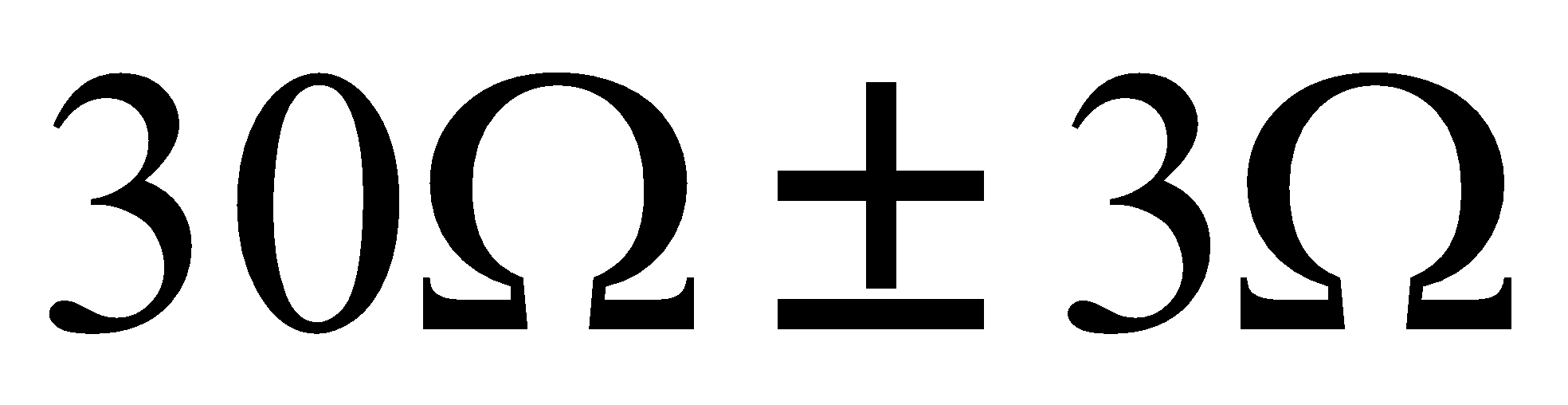
Sign in to UnlockA balanced Wheatstone bridge ABCD has the following arm resistances: ; ; is an unknown resistance; . The value of and its accuracy is



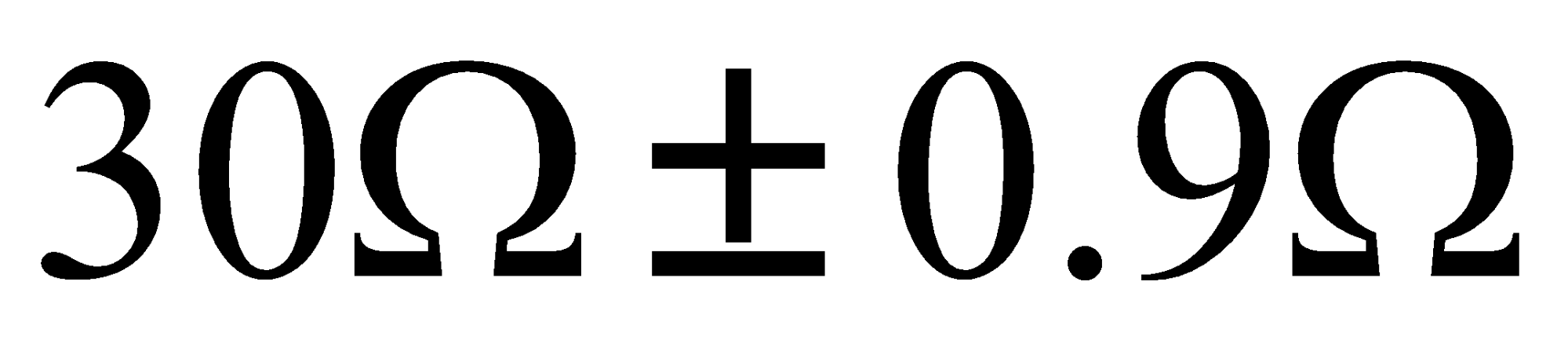

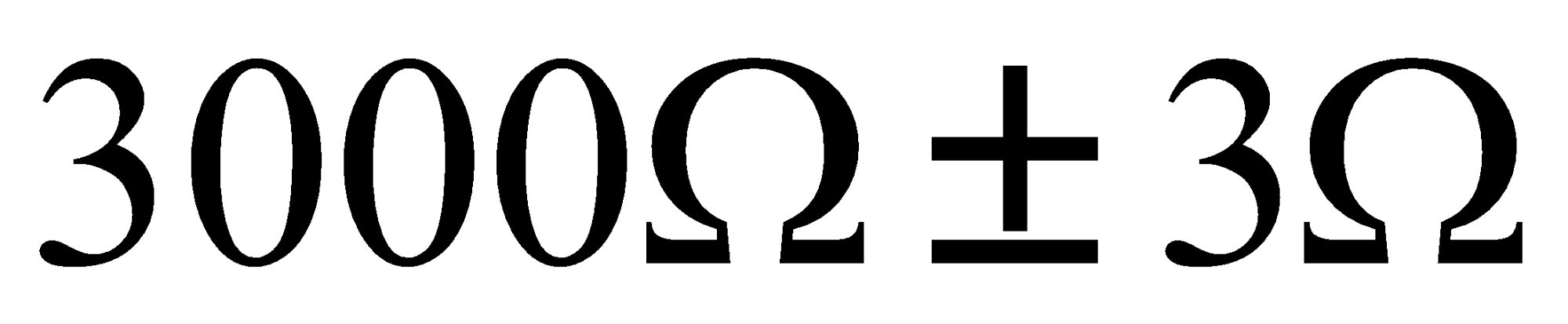
Sign in to see the solution
Log in to view the explanation, track your attempts, and keep your progress.
Sign in to UnlockWhen the Wheatstone bridge shown in the figure is used to find the value of resistor , the galvanometer G indicates zero current when and . If is known with ± 5% tolerance on its nominal value of 100 Ω, what is the range of in ohms ?
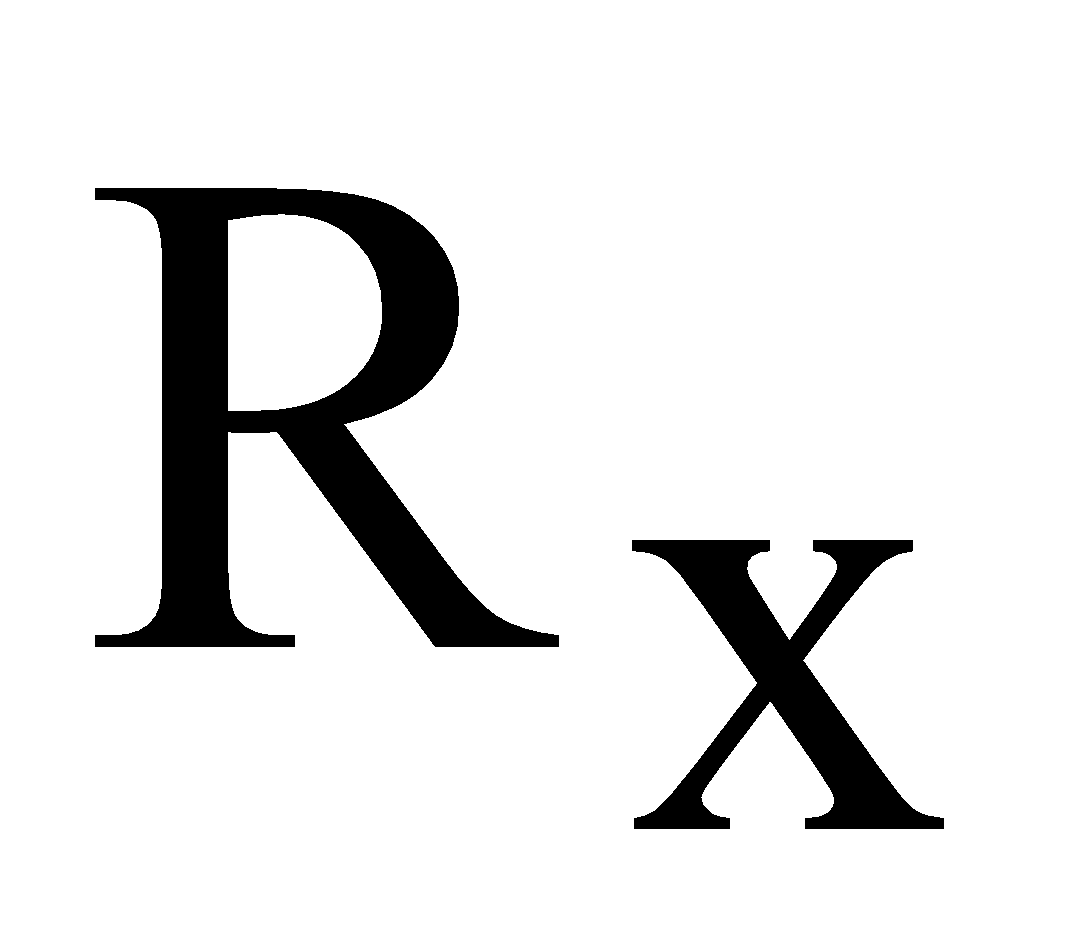

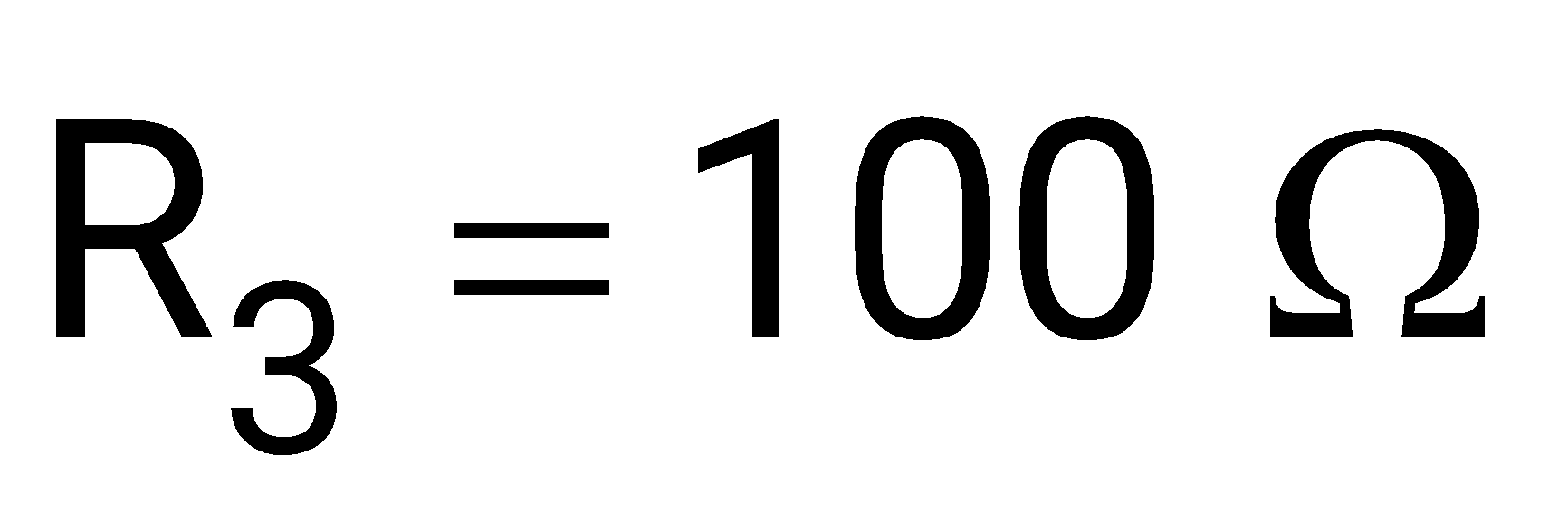
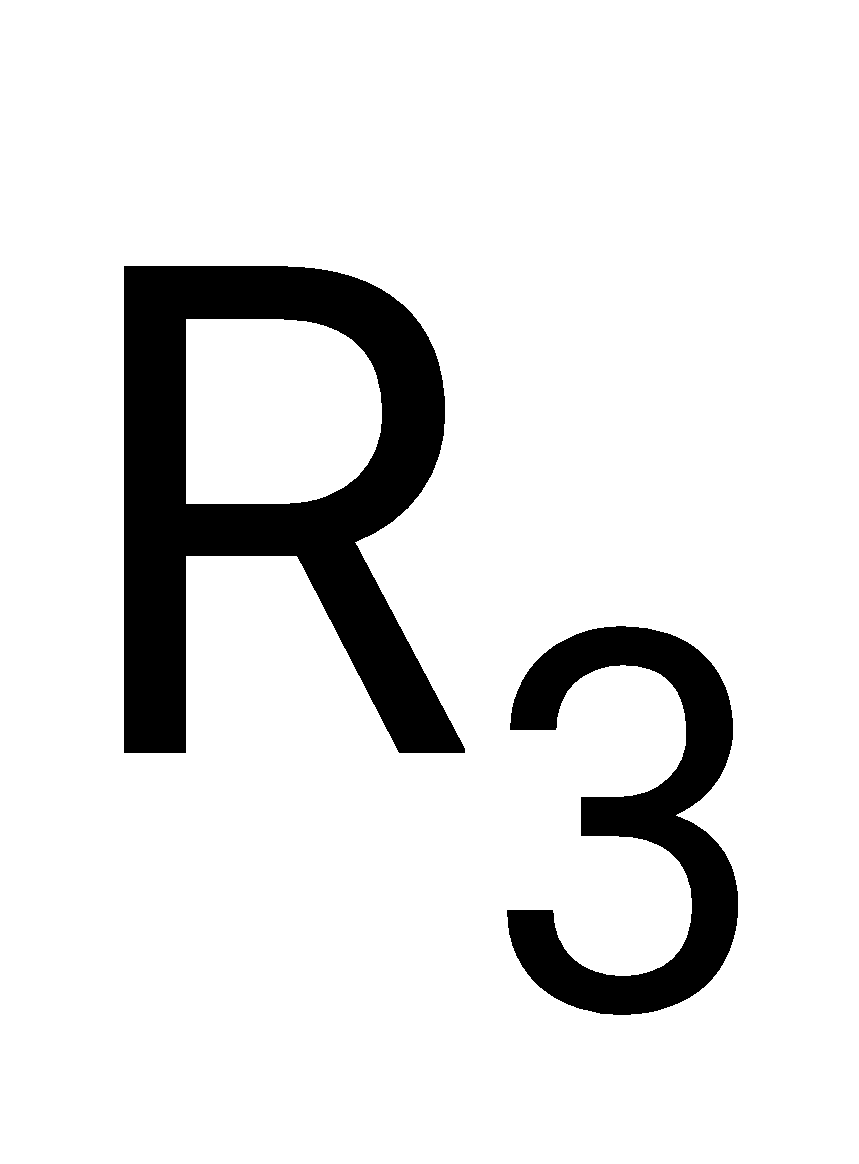
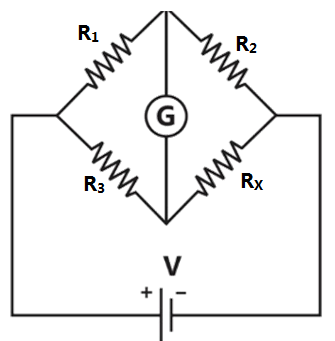
Sign in to see the solution
Log in to view the explanation, track your attempts, and keep your progress.
Sign in to UnlockAn unbalanced DC Wheatstone bridge is shown in the figure. At what value of p will the magnitude of be maximum?
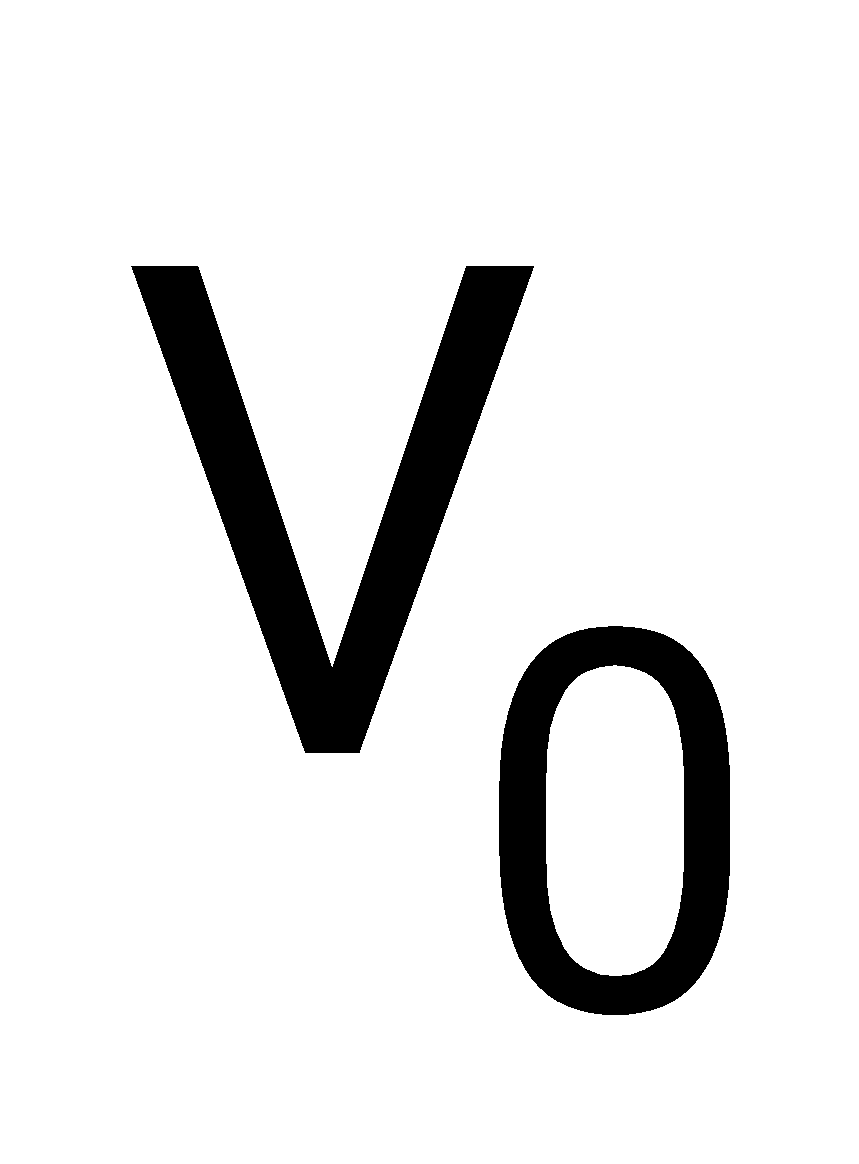
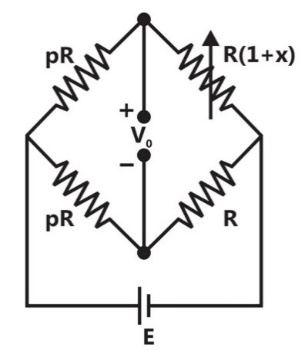
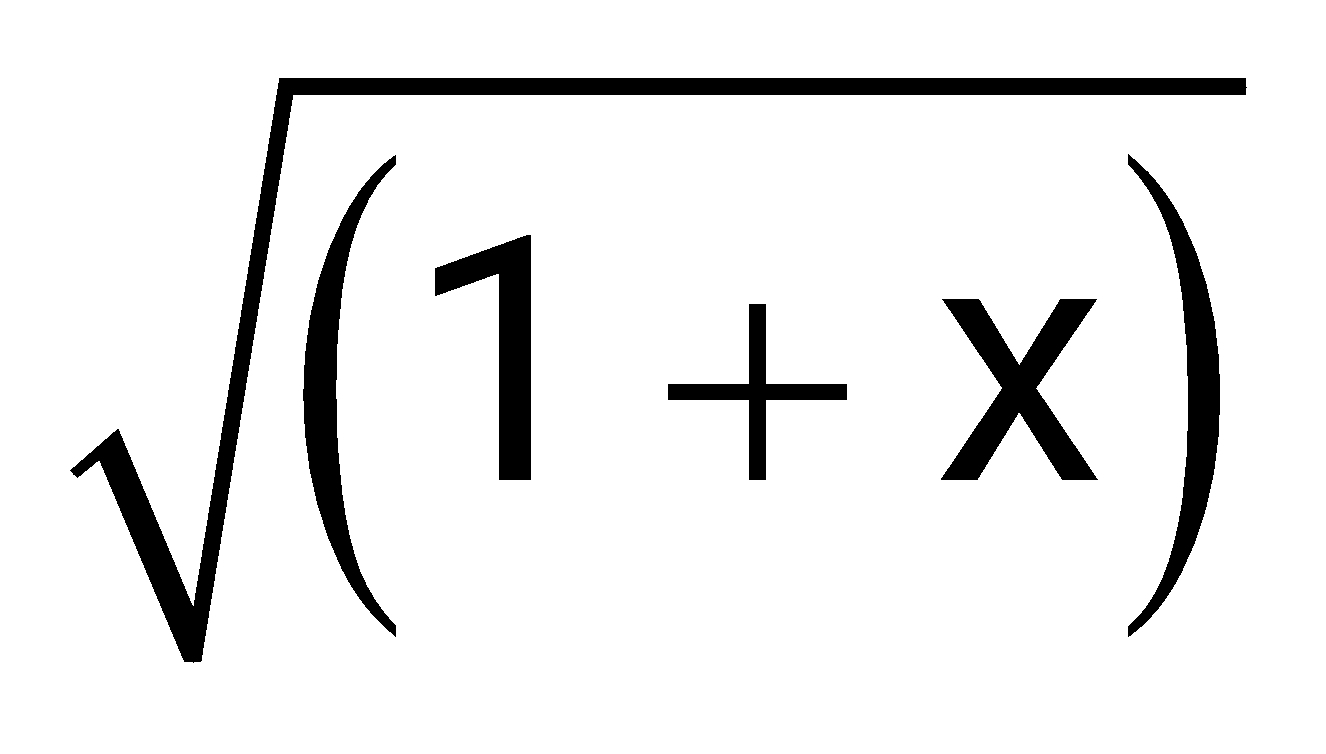
(1 + x)
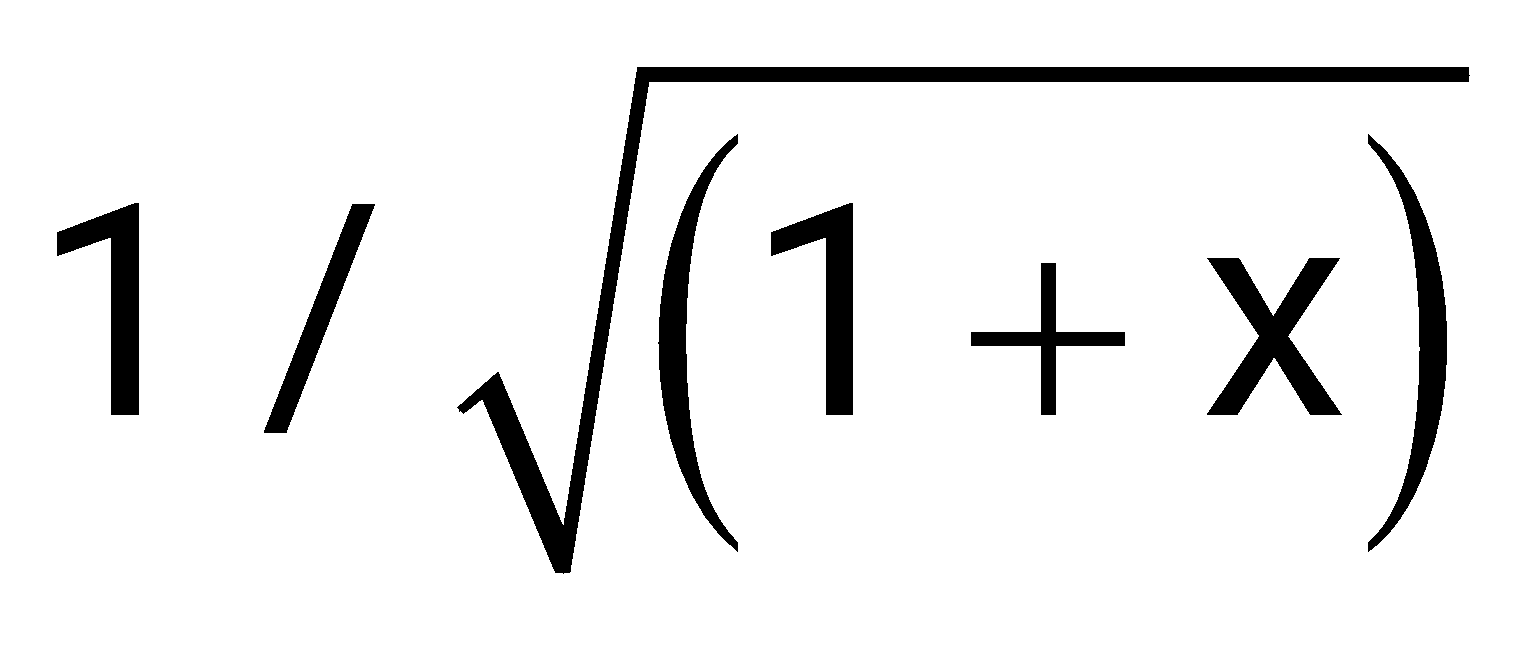
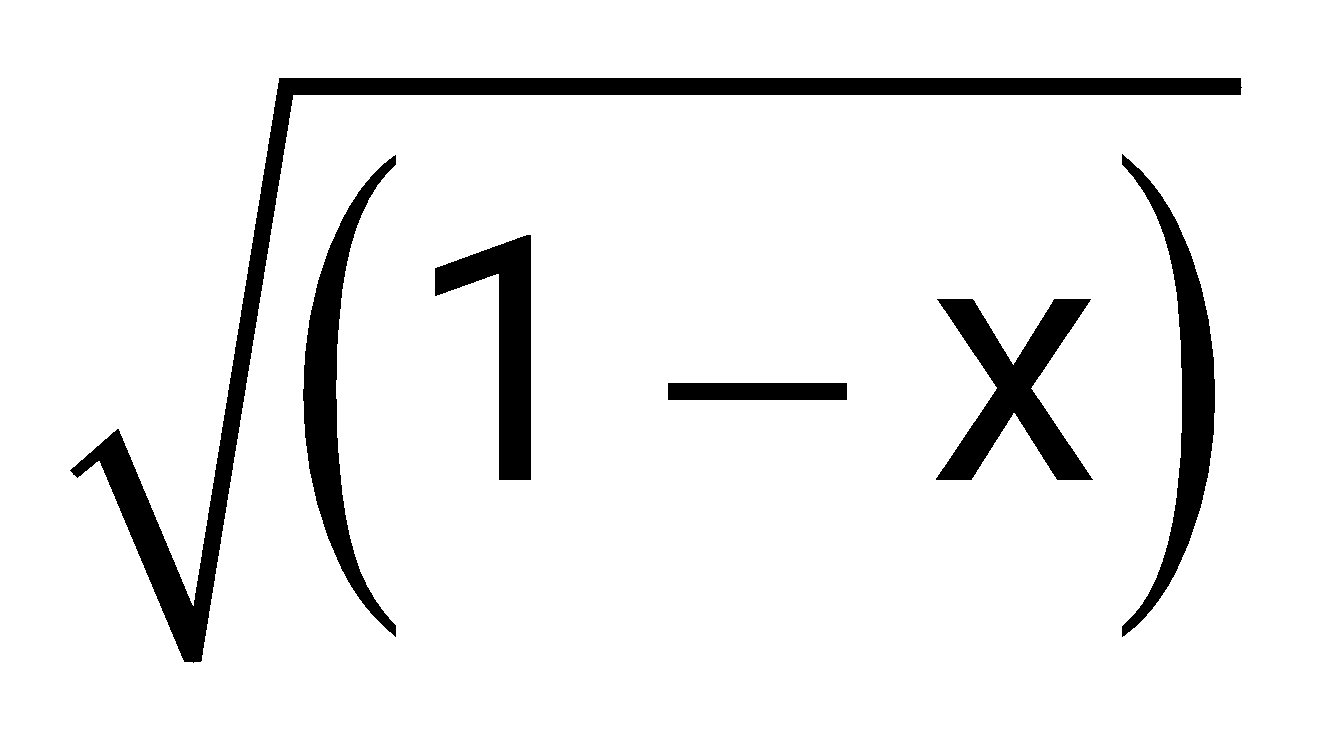
Sign in to see the solution
Log in to view the explanation, track your attempts, and keep your progress.
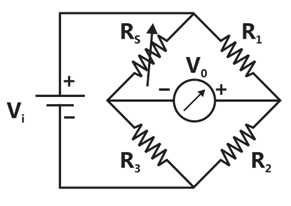
Sign in to UnlockA strain gauge forms one arm of the bridge shown in the figure below and has a nominal resistance without any load as Other bridge resistances are. The maximum permissible current through the strain gauge is 20mA. During certain measurement when the bridge is excited by maximum permissible voltage and the strain gauge resistance is increased by 1% over the nominal value, the output voltage V₀ in mV is
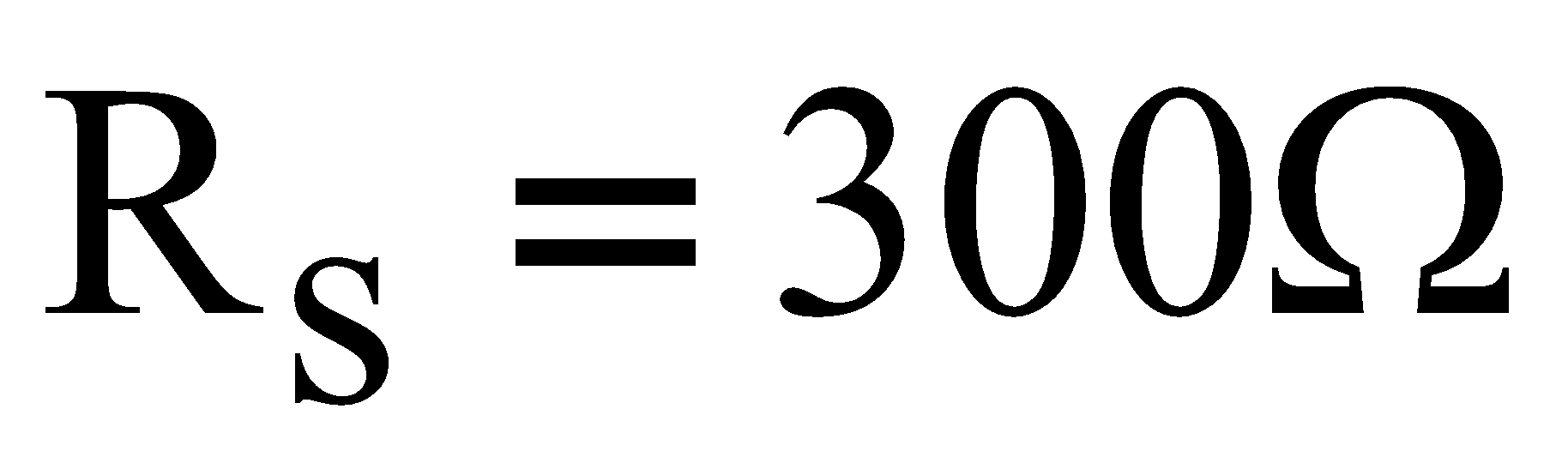

Sign in to see the solution
Log in to view the explanation, track your attempts, and keep your progress.
Sign in to UnlockA bridge circuit is shown in the figure below. Which one of the sequences given below is most suitable for balancing the bridge?
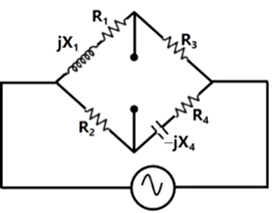
First adjust , and then adjust
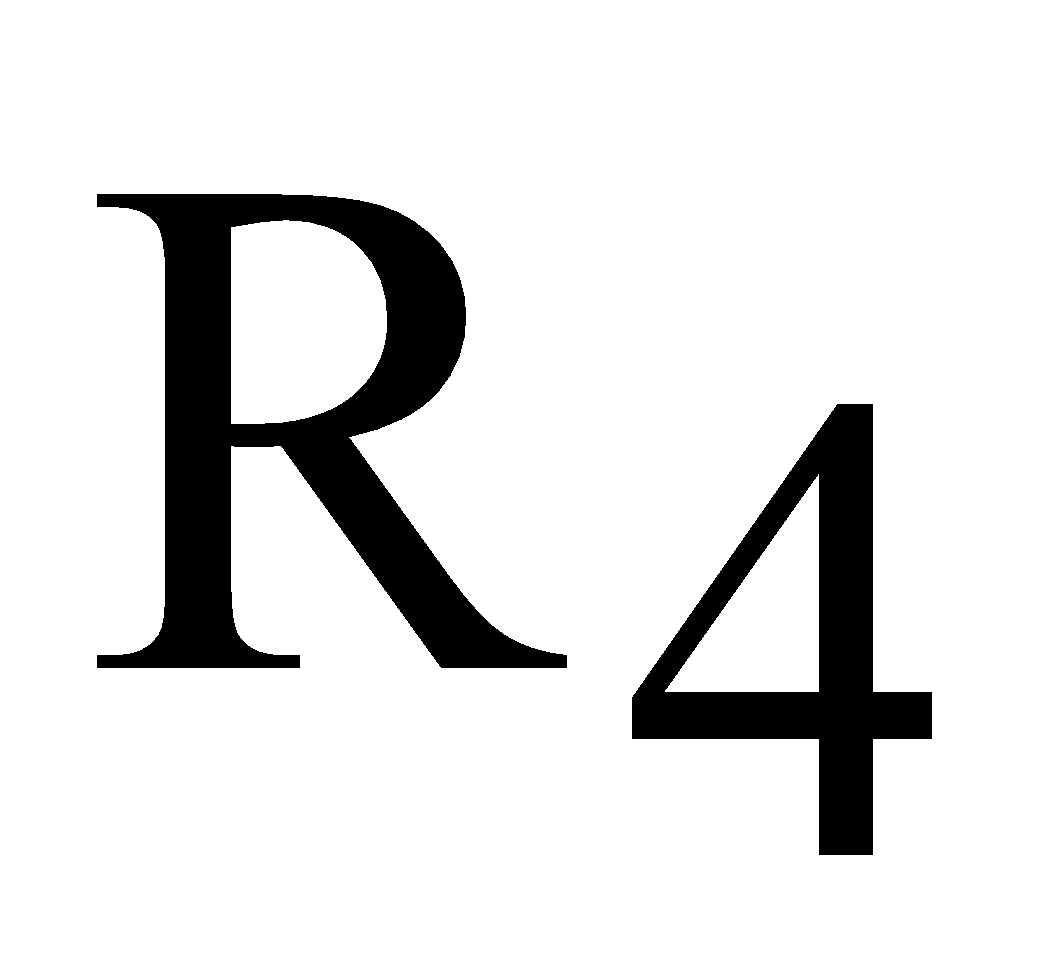
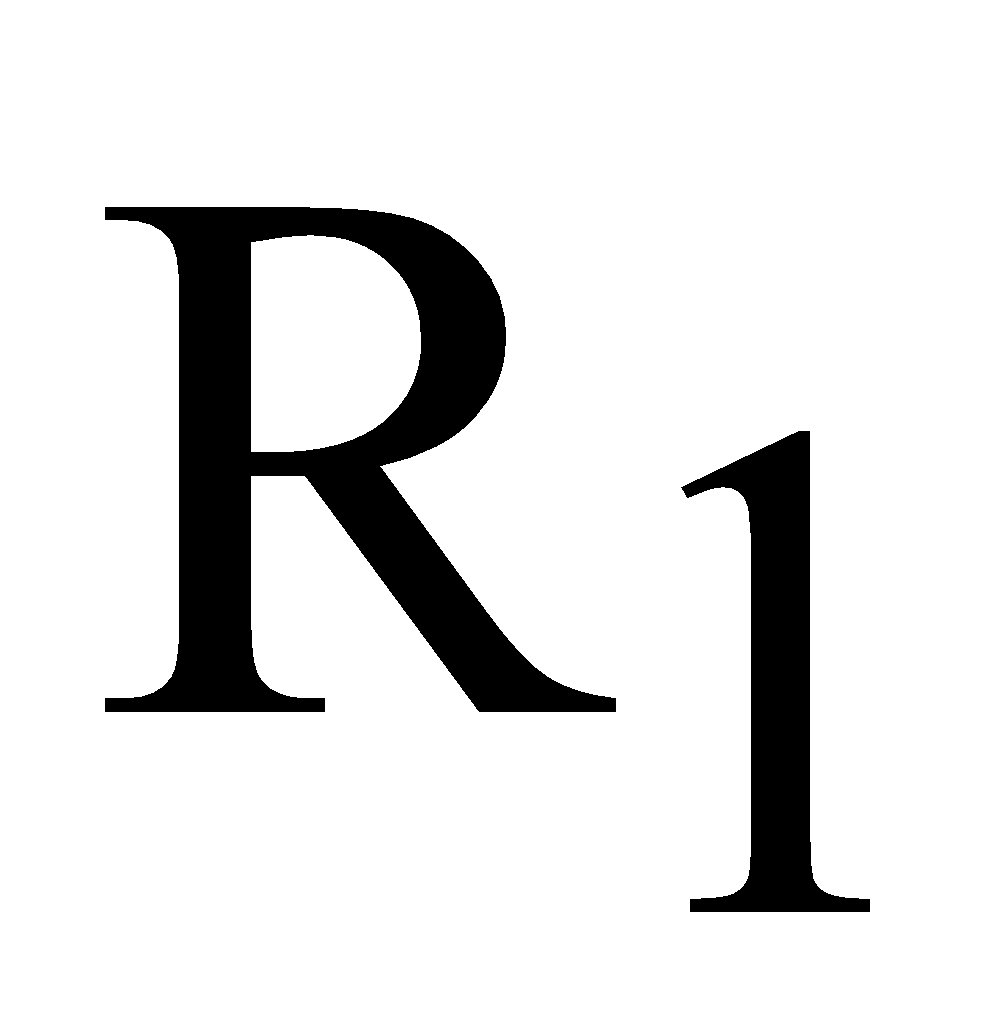
First adjust , and then adjust
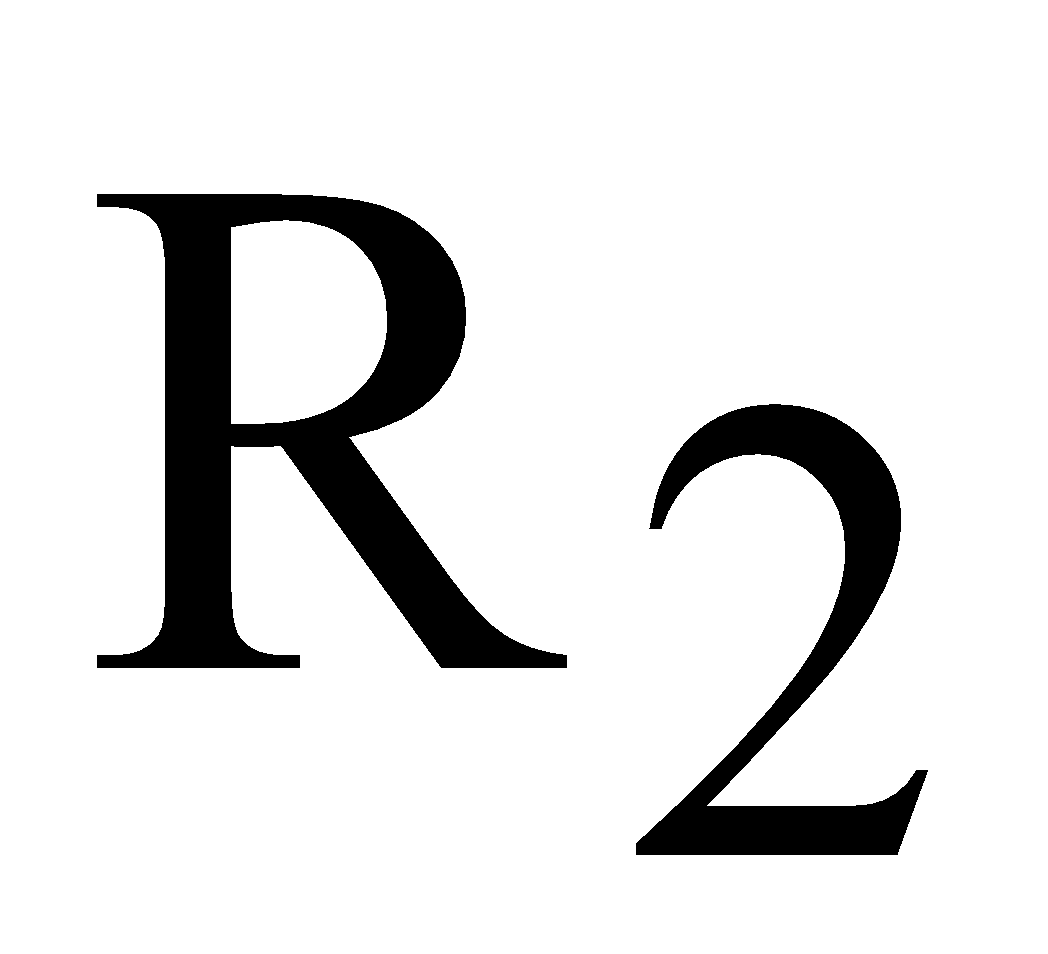
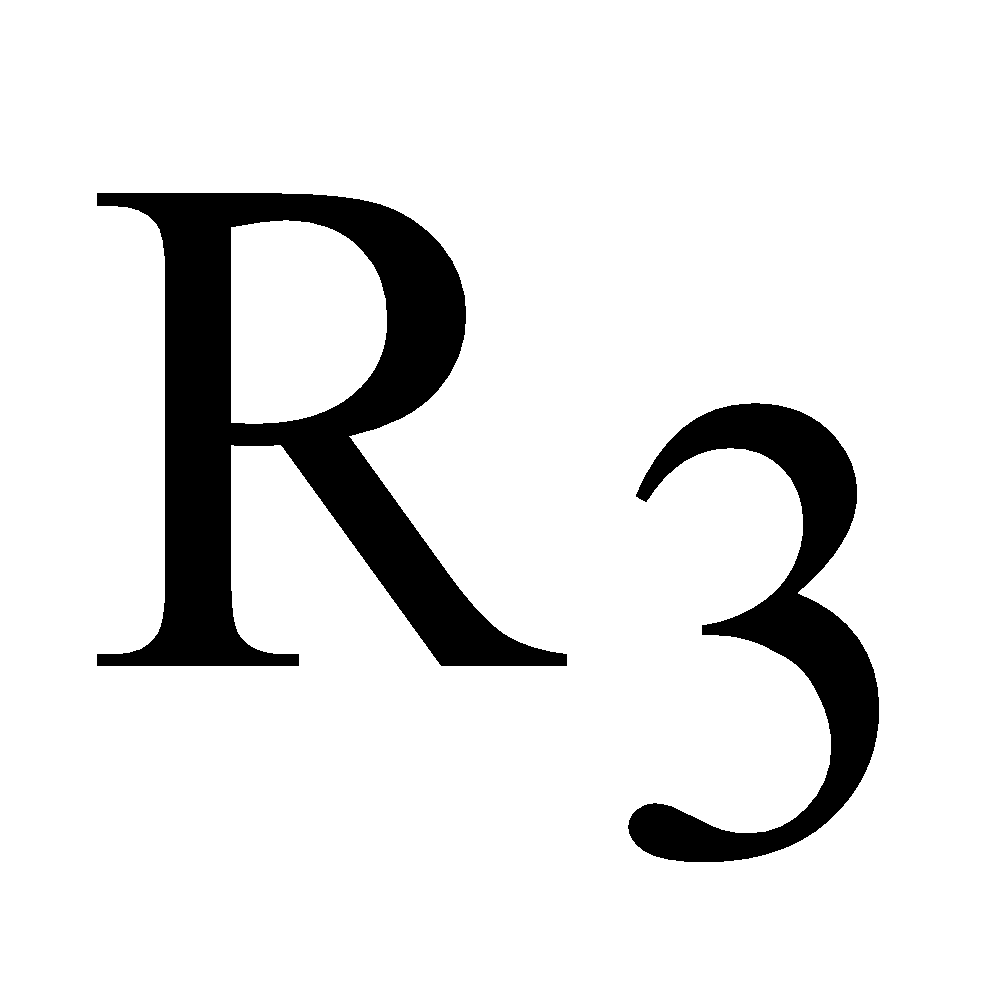
First adjust , and then adjust
First adjust , and then adjust
Sign in to see the solution
Log in to view the explanation, track your attempts, and keep your progress.
Sign in to Unlockand are the opposite arms of a Wheatstone bridge as are and . The source voltage is applied across and . Under balanced conditions which one of the following is true?
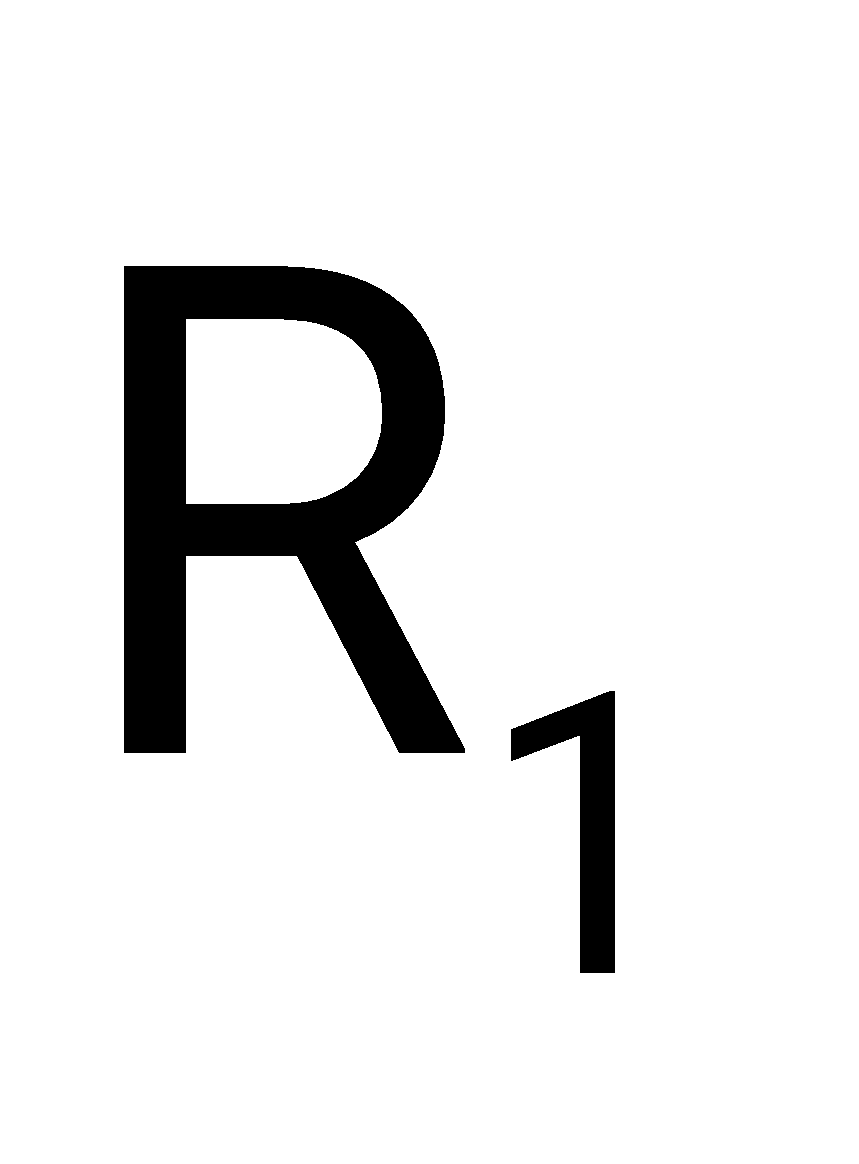
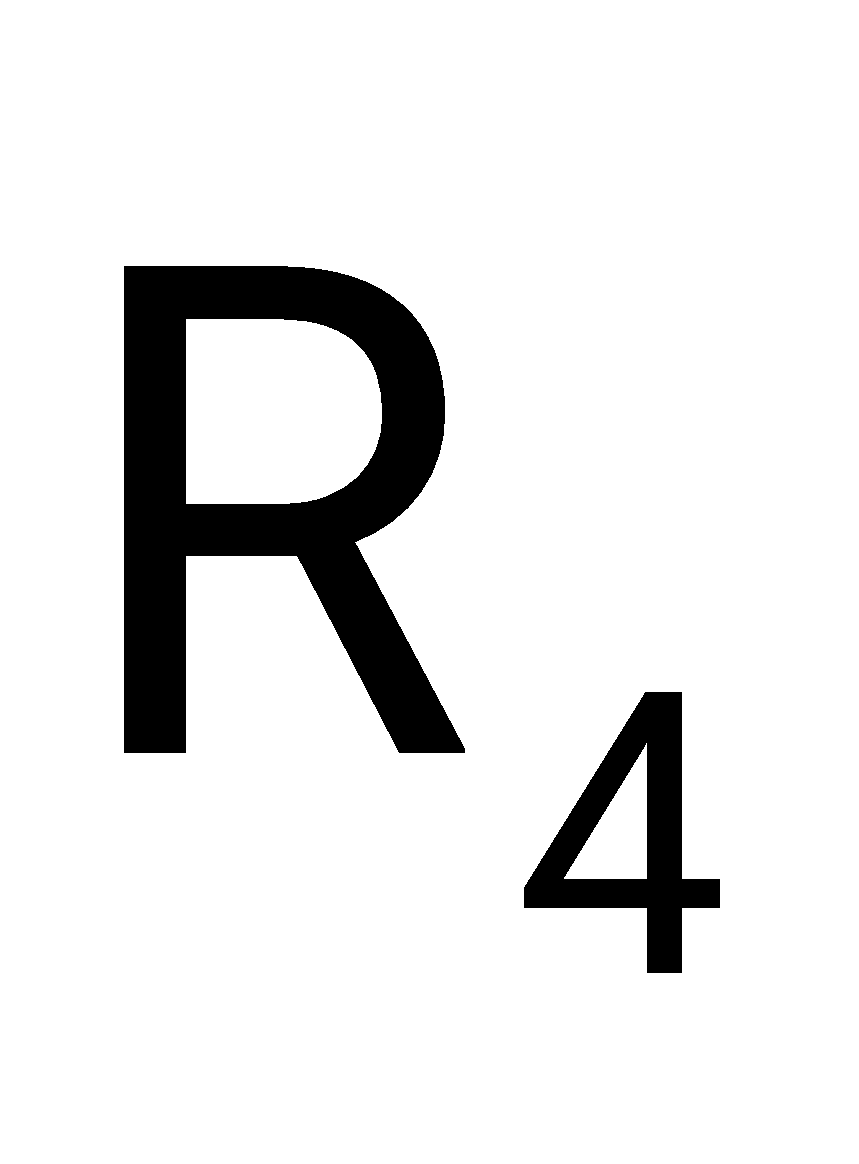
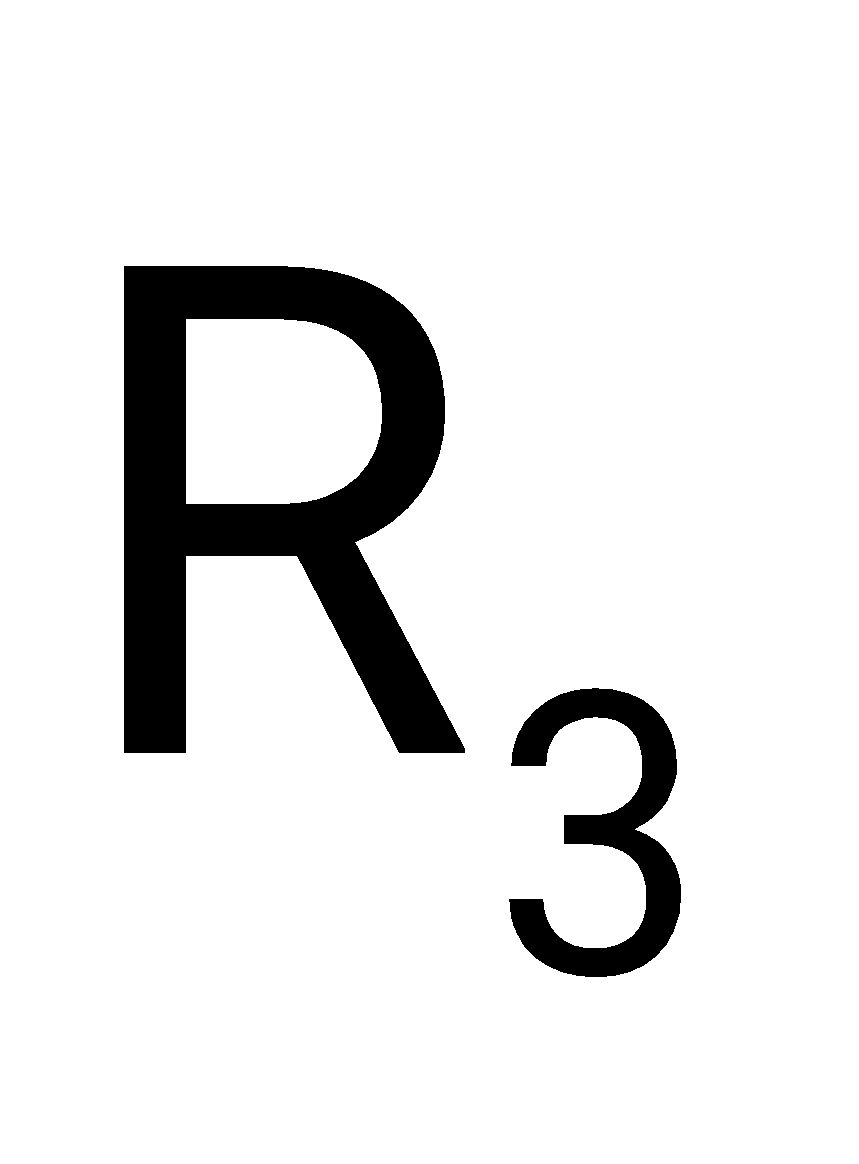
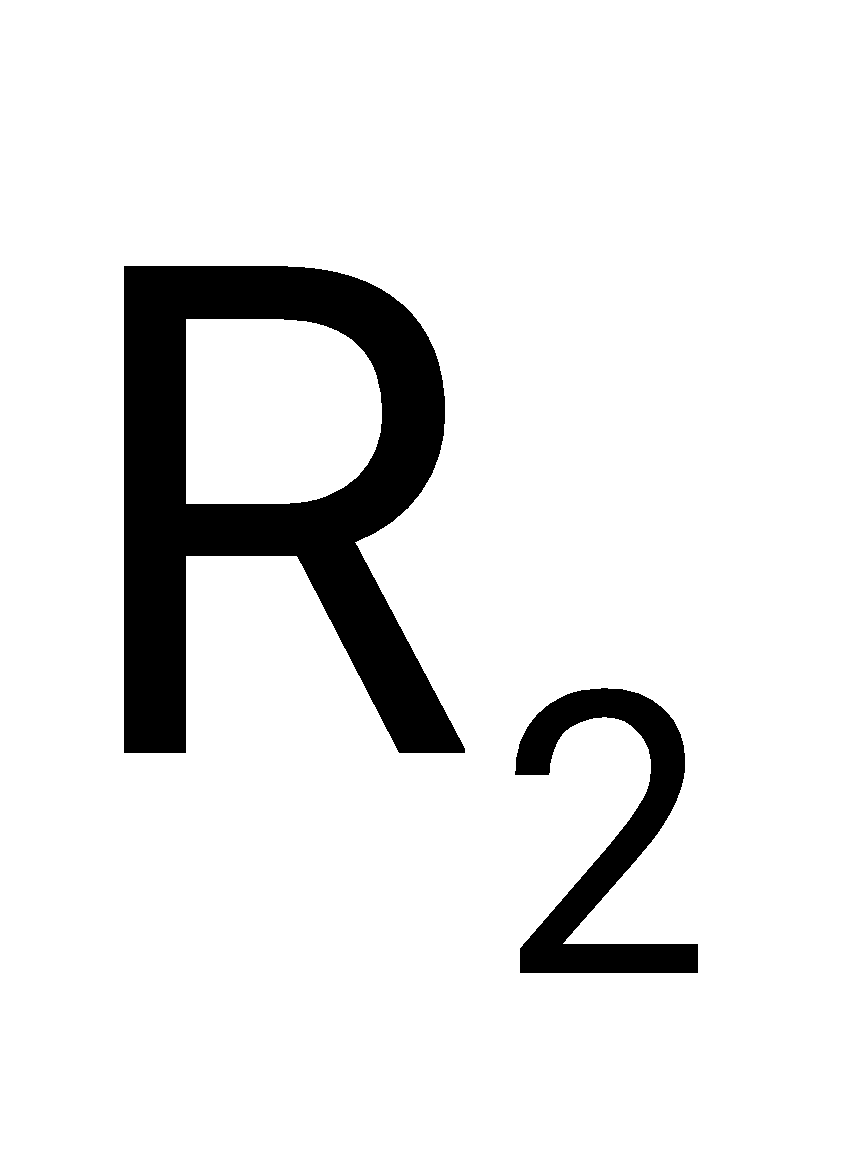
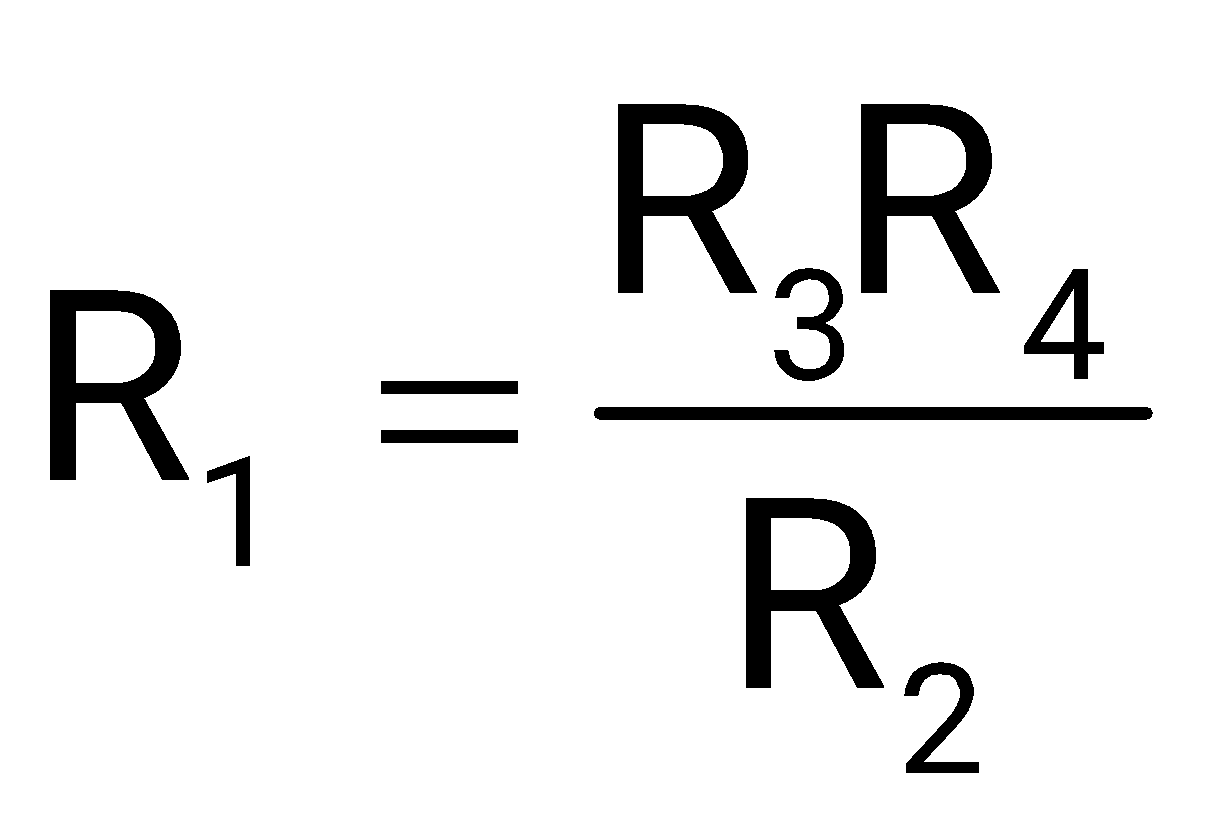
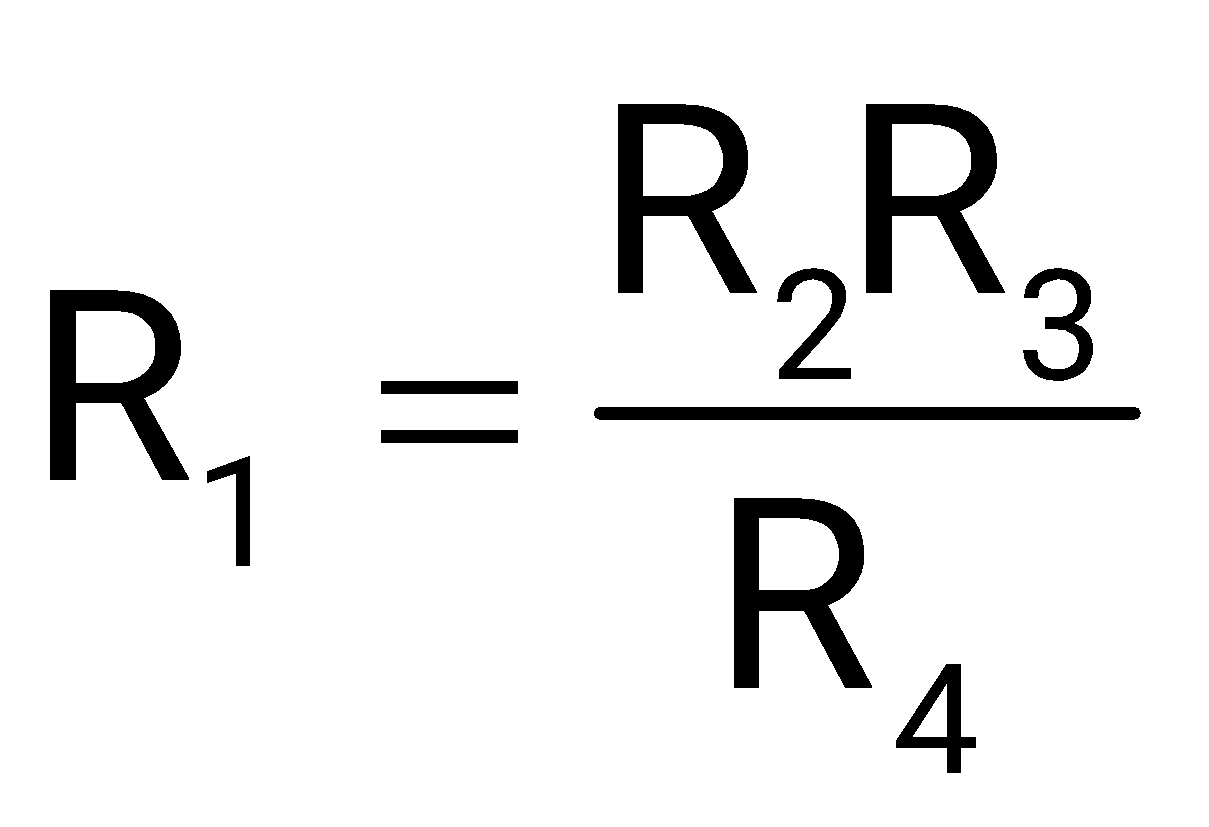
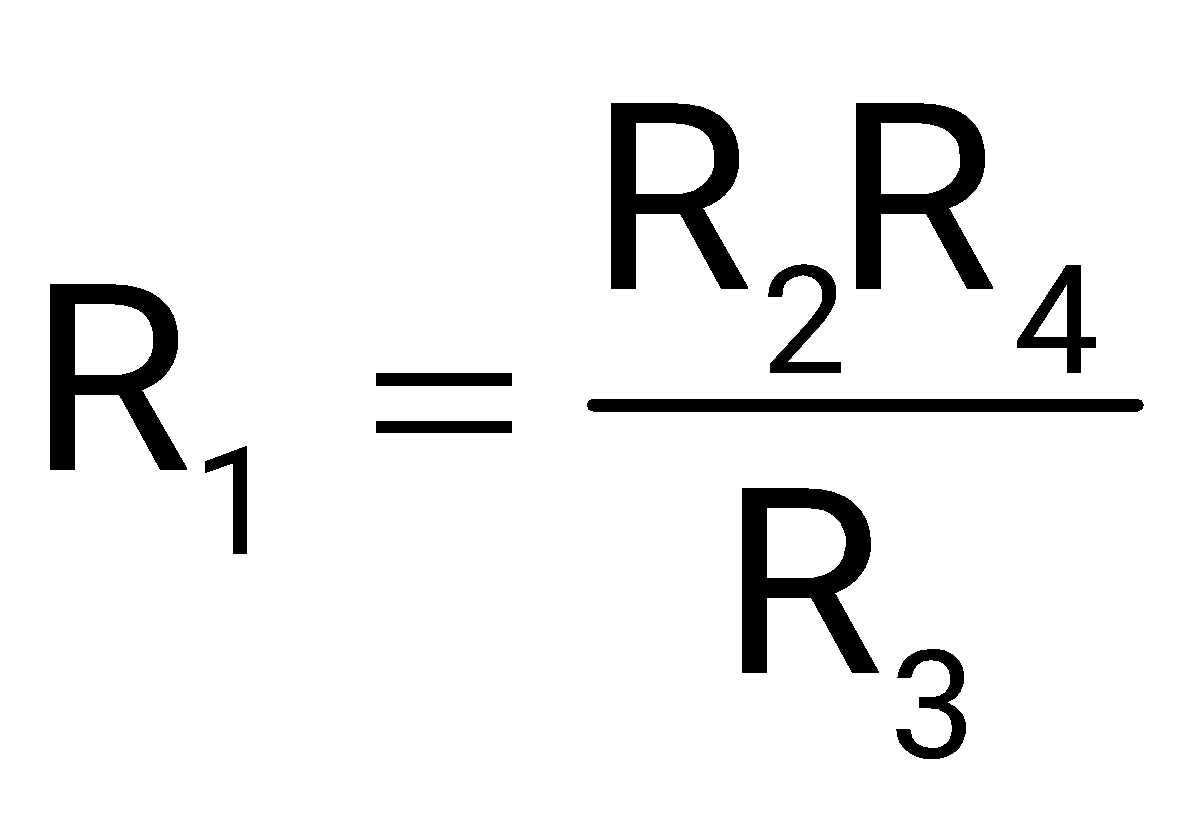
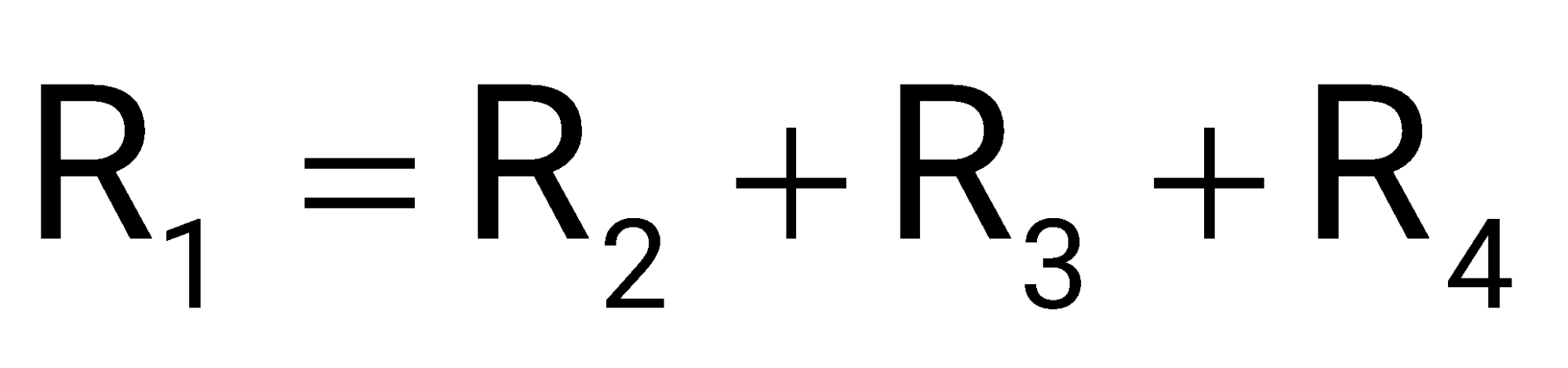
Sign in to see the solution
Log in to view the explanation, track your attempts, and keep your progress.
Sign in to UnlockThe items in Group I represent the various types of measurements to be made with a reasonable accuracy using a suitable bridge. The items in Group II represent the various bridges available for this purpose. Select the correct choice of the item in Group II for the corresponding item in Group I from the following
Group I | Group II |
P Resistance in the milli-Ohm range | 1 Wheatstone Bridge |
Q Low values of Capacitance | 2 Kelvin Double Bridge |
R Comparison of resistances which are nearly equal | 3 Schering Bridge |
S Inductance of a coil with a large time constant | 4 Wien’s Bridge |
5 Hay’s Bridge | |
6 Carey-Foster Bridge |
Sign in to see the solution
Log in to view the explanation, track your attempts, and keep your progress.
Sign in to UnlockA Kelvin double bridge is best suited for the measurement of
Sign in to see the solution
Log in to view the explanation, track your attempts, and keep your progress.
Sign in to UnlockMatch the following measuring equipment with their specific application:
(A) Kelvin double bridge (P) Capacitance
(B) Wind bridge (Q) Self-inductance
(C) Schering bridge (R) Frequency
(D) Maxwell’s bridge (S) Low resistance
Sign in to see the solution
Log in to view the explanation, track your attempts, and keep your progress.
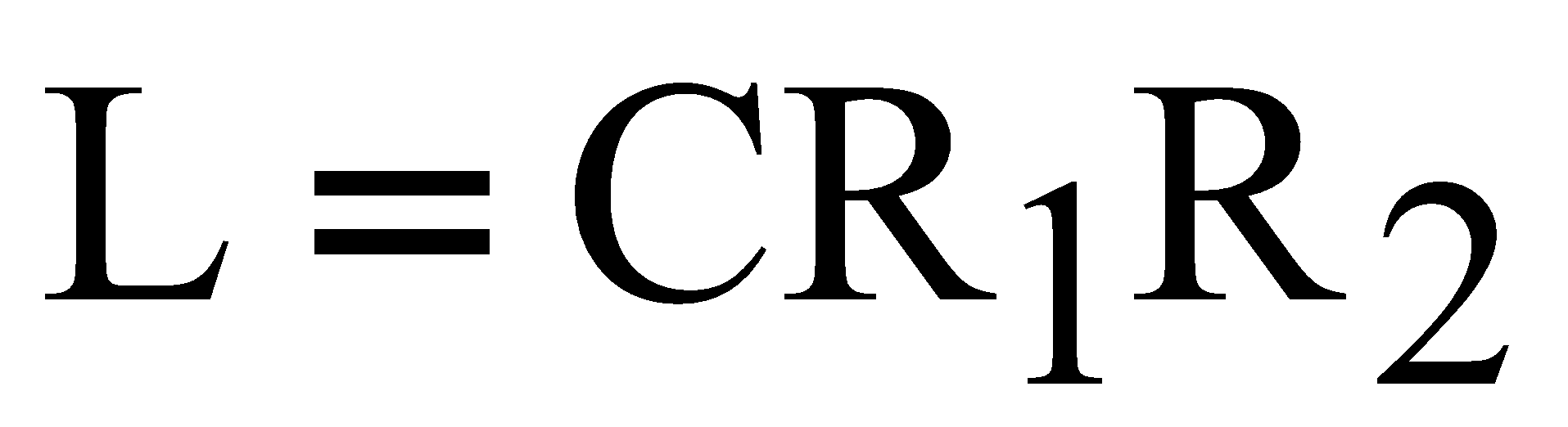
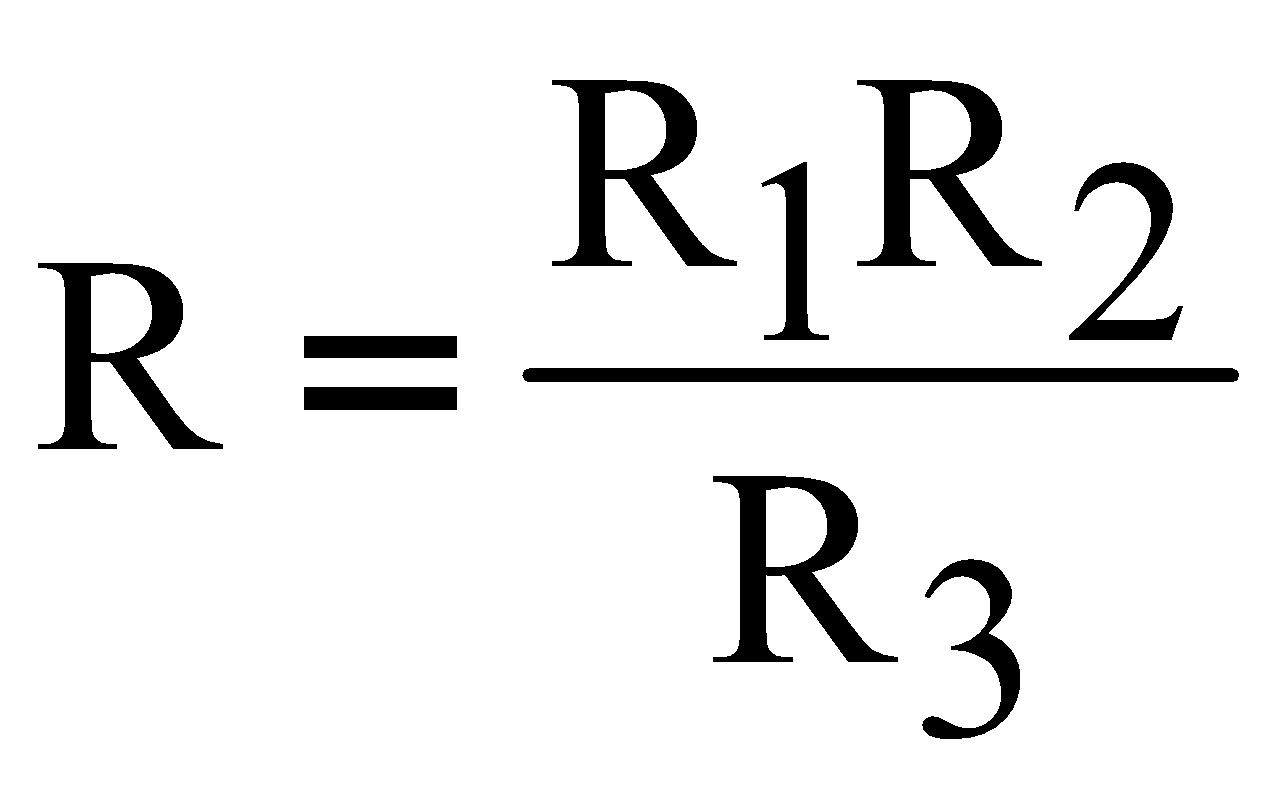
Sign in to UnlockFigure shows a bridge for measuring the resistance and inductance of a choke.
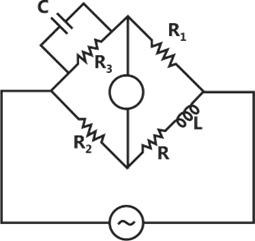
If the resistors can have a variation of and C a variation of from their nominal values, estimate the percentage error in the evaluation of R and L.
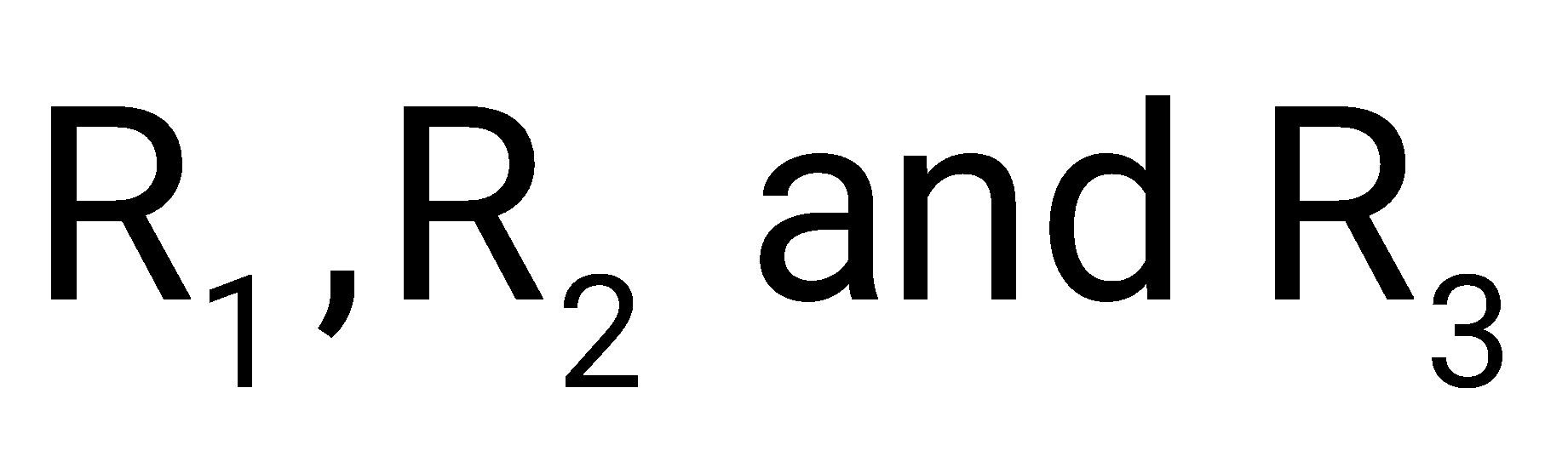
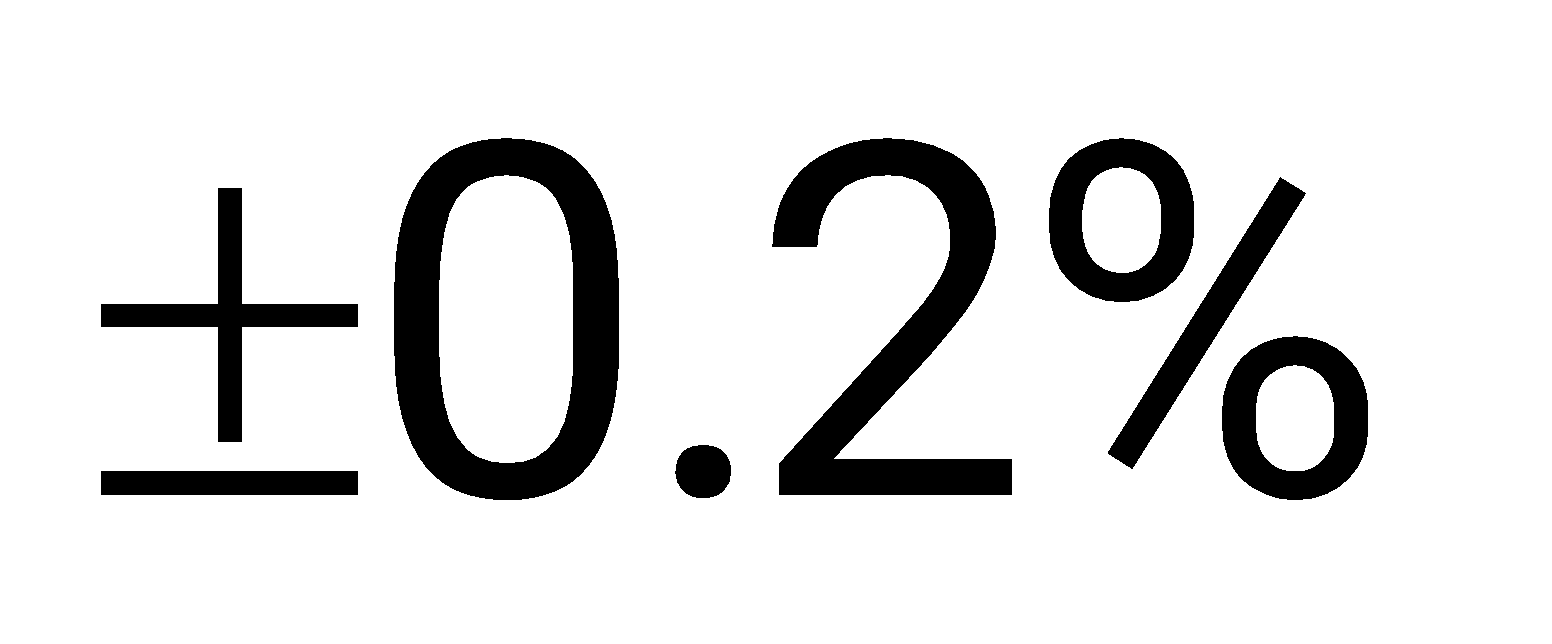
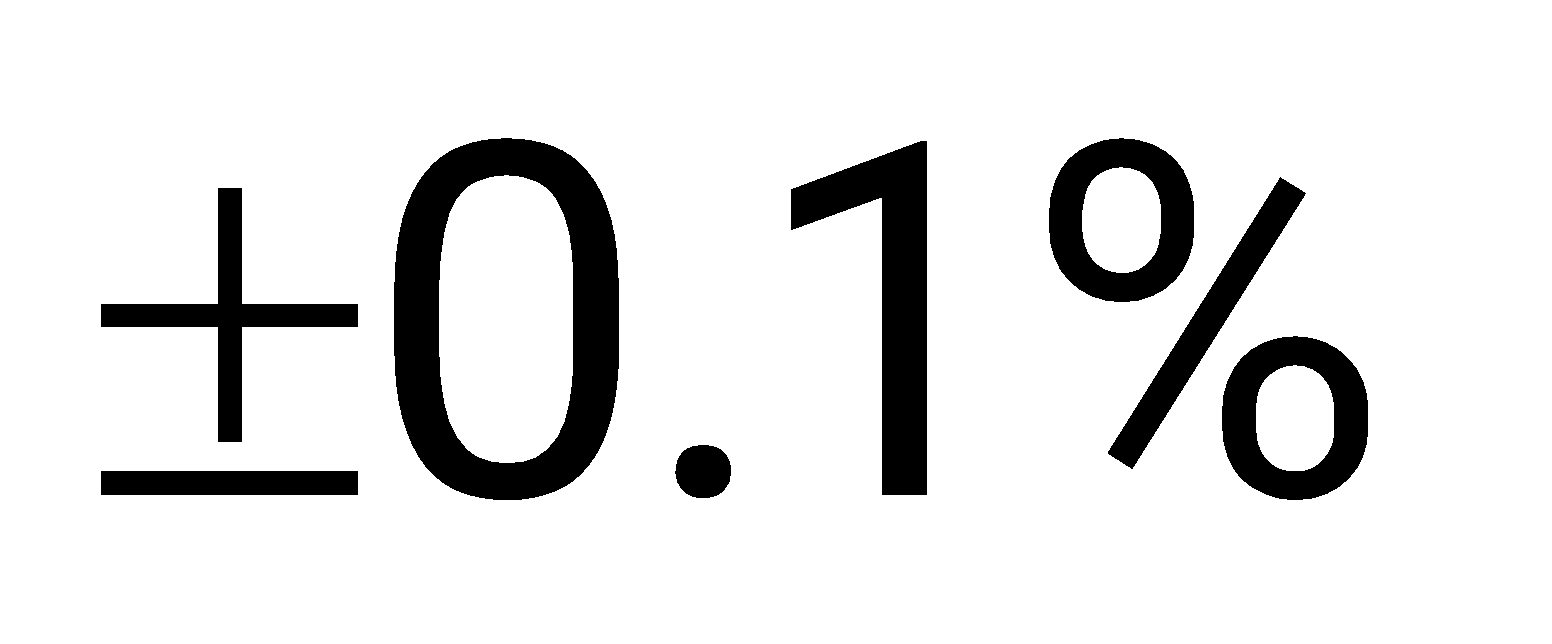
Percentage error in R =

Percentage error in L =
Sign in to see the solution
Log in to view the explanation, track your attempts, and keep your progress.
Sign in to Unlock