Analog Electronics
OP-AMP and its Applications
Practice questions from OP-AMP and its Applications.
78
Total0
Attempted0
Correct0
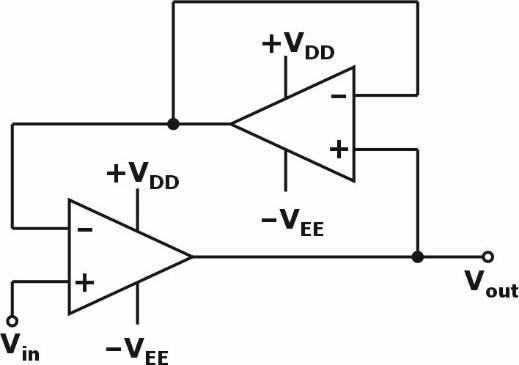
IncorrectAssuming ideal op-amps, the circuit represents a
Explanation Locked!
Unlock this branch to view the explanation, track, bookmark and more.
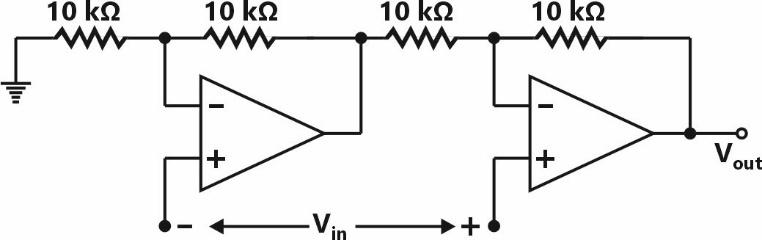
Sign in to UnlockThe op-amps in the following circuit are ideal. The voltage gain of the circuit is ________ (round off to the nearest integer).
Explanation Locked!
Unlock this branch to view the explanation, track, bookmark and more.
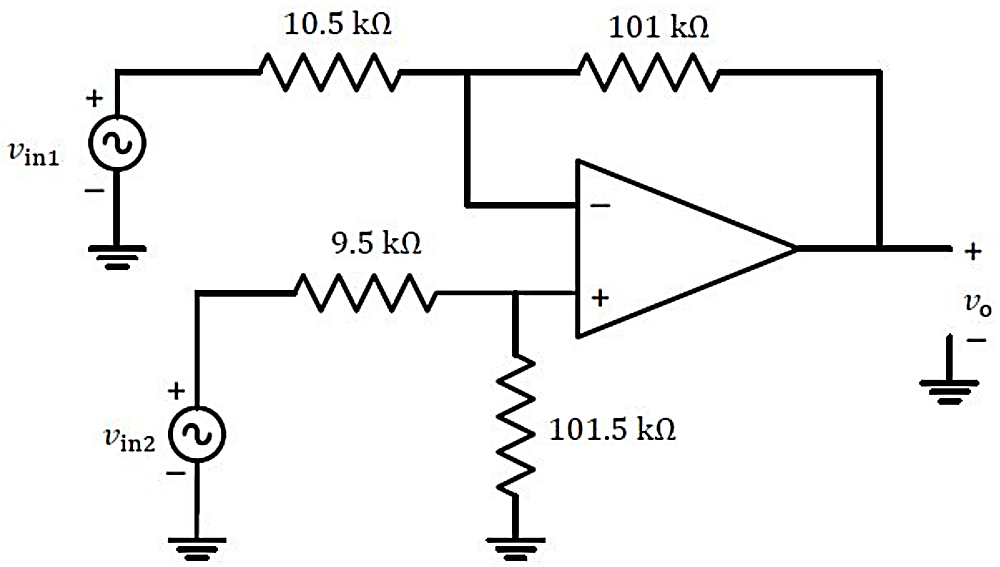
Sign in to UnlockA difference amplifier is shown in the figure. Assume the op-amp to be ideal. The CMRR (in ) of the difference amplifier is ________ (rounded off to 2 decimal places).

Explanation Locked!
Unlock this branch to view the explanation, track, bookmark and more.
Sign in to UnlockConsider the OP AMP based circuit shown in the figure. Ignore the conduction drops of diodes and . All the components are ideal and the breakdown voltage of the Zener is . Which of the following statements is true?



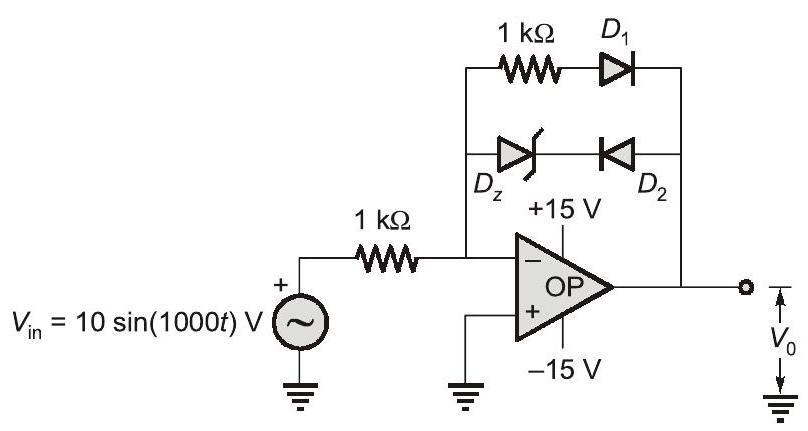
The maximum and minimum values of the output voltage are and , respectively.



The maximum and minimum values of the output voltage are and , respectively.


The maximum and minimum values of the output voltage are and , respectively.


The maximum and minimum values of the output voltage are and , respectively.
Explanation Locked!
Unlock this branch to view the explanation, track, bookmark and more.
Sign in to UnlockThe steady State output of the circuit shown below, will

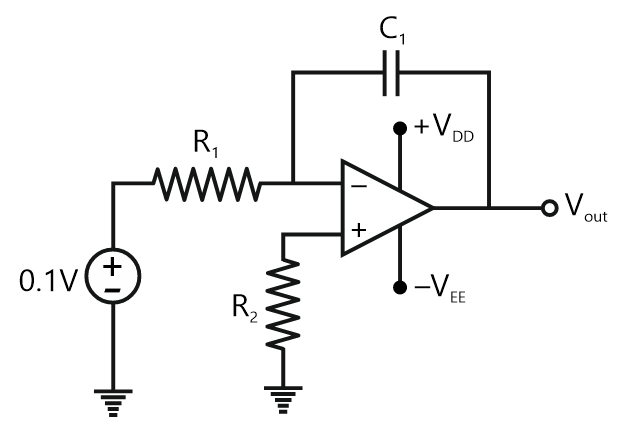
saturate to

saturate to

become equal to 0.1 V
become equal to -0.1 V
Explanation Locked!
Unlock this branch to view the explanation, track, bookmark and more.
Sign in to UnlockThe output impedance of a non-ideal operational amplifier is denoted by The variation in the magnitude of with increasing frequency, f, in the circuit shown below, is best represented by

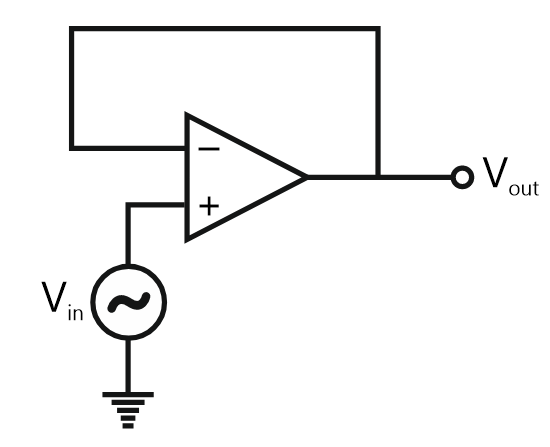
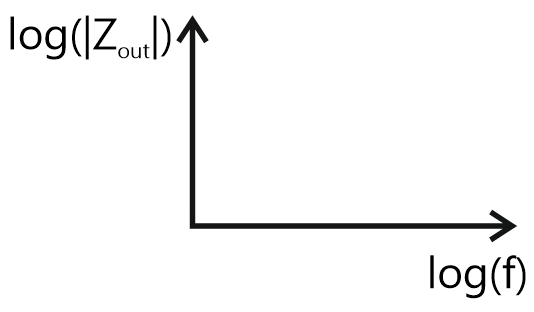
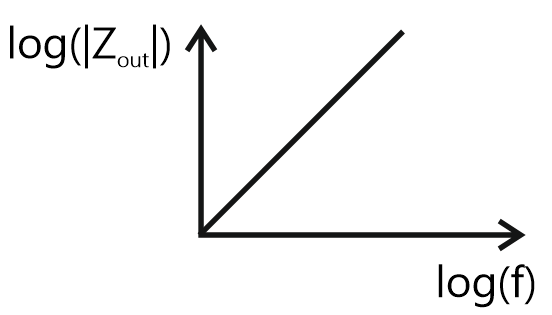
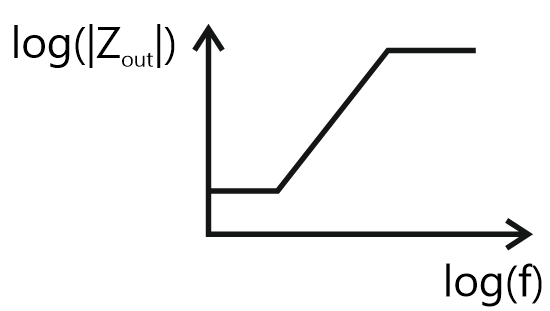
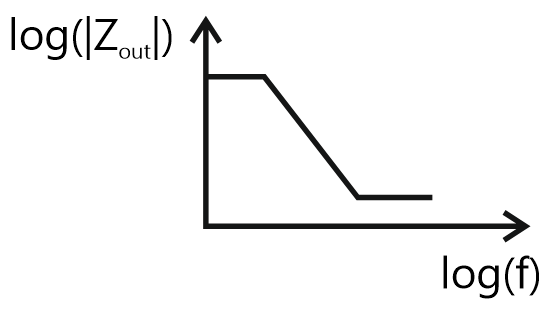
Explanation Locked!
Unlock this branch to view the explanation, track, bookmark and more.
Sign in to UnlockThe current gain in the circuit with an ideal current amplifier given below is

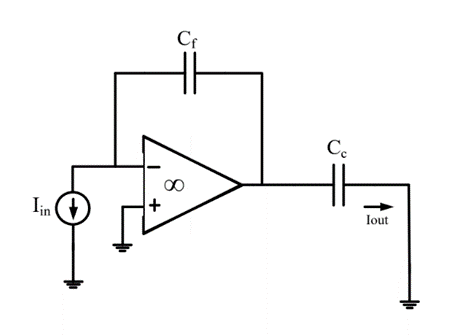




Explanation Locked!
Unlock this branch to view the explanation, track, bookmark and more.
Sign in to UnlockA CMOS Schmitt-trigger inverter has a low output level of 0 V and a high output level of 5 V. It has input thresholds of 1.6 V and 2.4 V. The input capacitance and output resistance of the Schmitt-trigger are negligible. The
frequency of the oscillator shown is ______________ Hz.
(Round off to 2 decimal places.)

Explanation Locked!
Unlock this branch to view the explanation, track, bookmark and more.
Sign in to UnlockIn the circuit below, the operational amplifier is ideal. If and , the output voltage () is



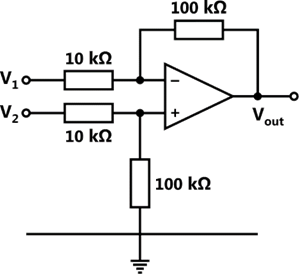
Explanation Locked!
Unlock this branch to view the explanation, track, bookmark and more.
Sign in to UnlockThe op-amp shown in the figure is ideal. The input impedance is given by

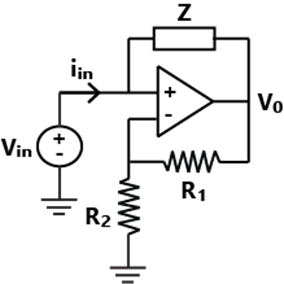


Z

Explanation Locked!
Unlock this branch to view the explanation, track, bookmark and more.
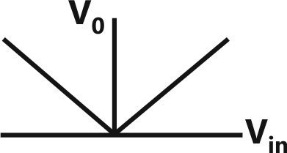
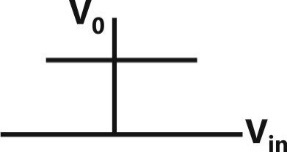
Sign in to UnlockThe approximate transfer characteristic for the circuit shown below with an ideal operational amplifier and diode will be
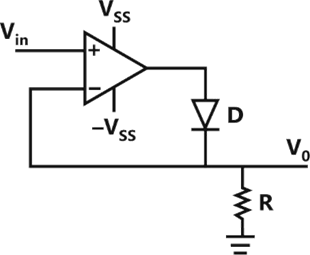
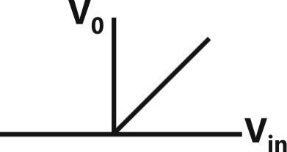
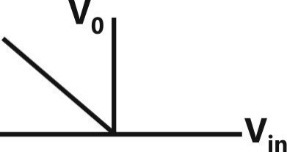
Explanation Locked!
Unlock this branch to view the explanation, track, bookmark and more.
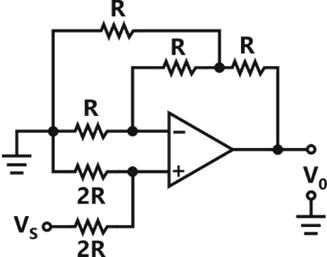
Sign in to UnlockFor the circuit shown below, assume that the OPAMP is ideal




Explanation Locked!
Unlock this branch to view the explanation, track, bookmark and more.
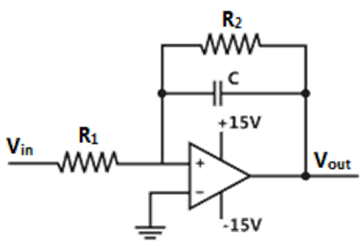
Sign in to UnlockThe circuit shown below is an example of a
Explanation Locked!
Unlock this branch to view the explanation, track, bookmark and more.
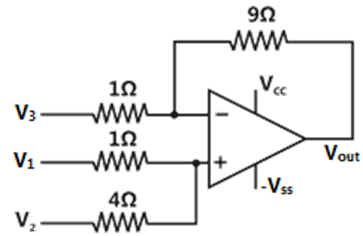
Sign in to UnlockFor the circuit shown below, taking the opamp as ideal, the output voltage in terms of the input voltages , and is







Explanation Locked!
Unlock this branch to view the explanation, track, bookmark and more.
Sign in to UnlockOf the four characteristics given below, which are the major requirements for an instrumentation amplifier?
P. High common mode rejection ratio
Q. High input impedance.
R. High linearity.
S. High output impedance.
Explanation Locked!
Unlock this branch to view the explanation, track, bookmark and more.
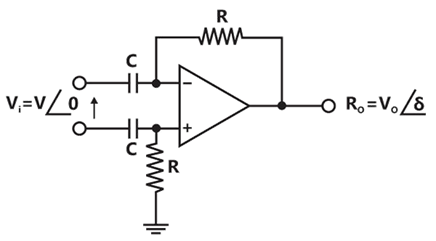
Sign in to UnlockConsider the circuit shown in the figure. In this circuit and . The input voltage is sinusoidal with a frequency of 50Hz, represented as a phasor with magnitude and phase angle 0 radian as shown in the figure. The output voltage is represented as a phasor with magnitude and phase angle radian. What is the value of the output phase angle (in radian) relative to the phase angle of the input voltage?





0



Explanation Locked!
Unlock this branch to view the explanation, track, bookmark and more.
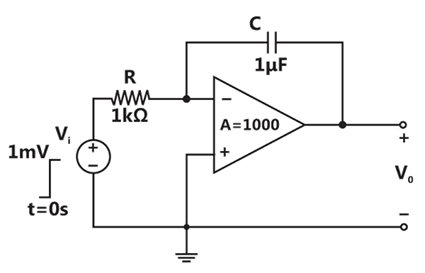
Sign in to UnlockThe op – amp shown in the figure has a finite gain A = 1000 and an infinite input resistance. A step voltage is applied at the input at time t=0 as shown. Assuming that the operational amplifier is not saturated, the time constant (in millisecond) of the output voltage is

Explanation Locked!
Unlock this branch to view the explanation, track, bookmark and more.
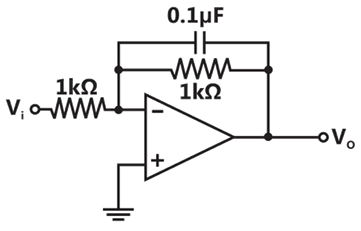
Sign in to UnlockThe operational amplifier shown in the figure is ideal. The input voltage (in Volt) is , The amplitude of the output voltage (in Volt) is____________.


Explanation Locked!
Unlock this branch to view the explanation, track, bookmark and more.
Sign in to UnlockThe saturation voltage of the ideal op – amp shown below is ±10V. The output voltage of the following circuit in the steady – state is
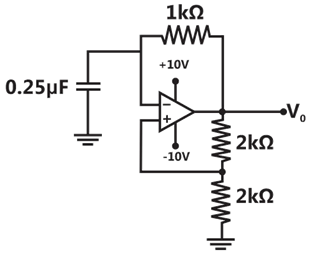
Explanation Locked!
Unlock this branch to view the explanation, track, bookmark and more.
Sign in to UnlockGiven that the op – amps in the figure are ideal, the output voltage is
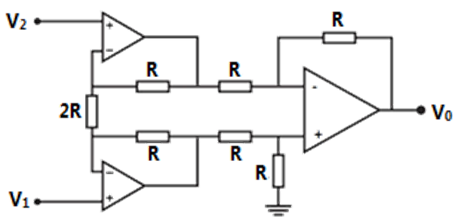




Explanation Locked!
Unlock this branch to view the explanation, track, bookmark and more.
Sign in to UnlockAn oscillator circuit using ideal op-amp and diodes is shown in the figure.
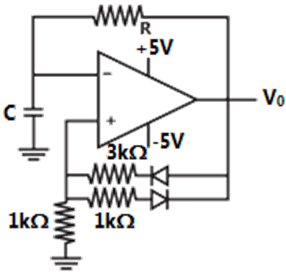
The time duration for +ve part of the cycle is and for –ve part is . The value of will be ____________.



Explanation Locked!
Unlock this branch to view the explanation, track, bookmark and more.
Sign in to UnlockAn operational-amplifier circuit is shown in the figure
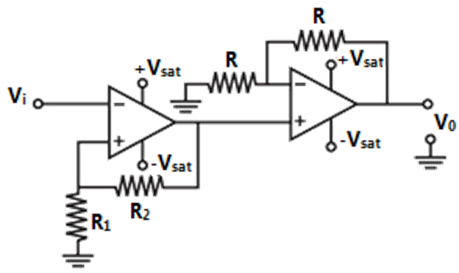
The output of the circuit for a given input is





Explanation Locked!
Unlock this branch to view the explanation, track, bookmark and more.
Sign in to UnlockThe transfer characteristic of the op-amp circuit shown in figure is
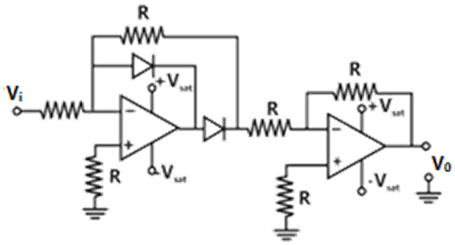
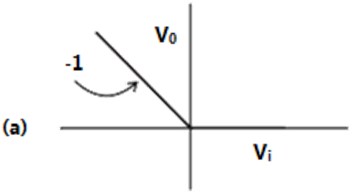
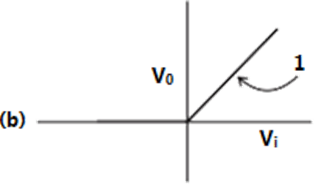
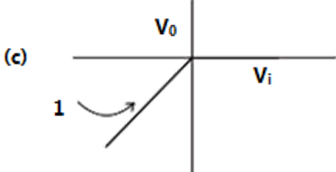
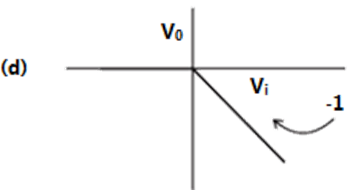
Explanation Locked!
Unlock this branch to view the explanation, track, bookmark and more.
Sign in to UnlockIn the circuit shown below what is the output voltage in Volts if a silicon transistor Q and an ideal op-amp are used?

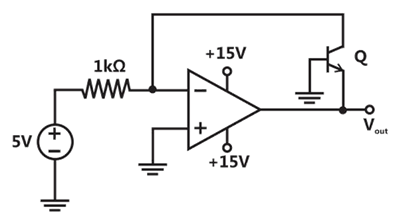
Explanation Locked!
Unlock this branch to view the explanation, track, bookmark and more.
Sign in to UnlockIn the circuit shown below the op-amps are ideal. Then in Volts is
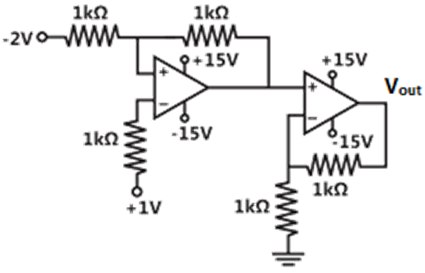
Explanation Locked!
Unlock this branch to view the explanation, track, bookmark and more.
Sign in to UnlockThe circuit shown is a
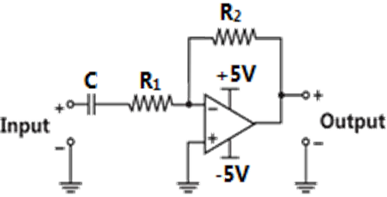
Low pass filter with

High pass filter with

Low pass filter with
High pass filter with
Explanation Locked!
Unlock this branch to view the explanation, track, bookmark and more.
Sign in to UnlockA low-pass filter with a cut-off frequency of 30Hz is cascaded with a high-pass filter with a cut-off frequency of 20Hz. The resultant system of filters will function as
Explanation Locked!
Unlock this branch to view the explanation, track, bookmark and more.
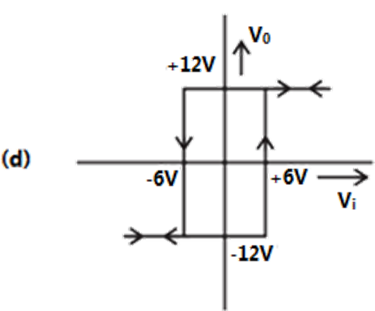
Sign in to UnlockFor the circuit shown below,
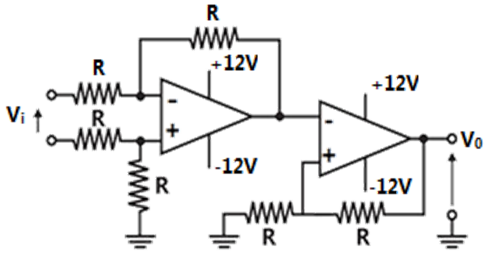
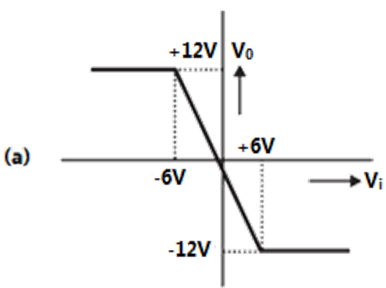
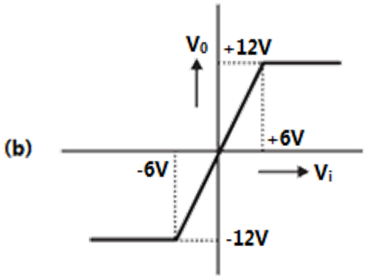
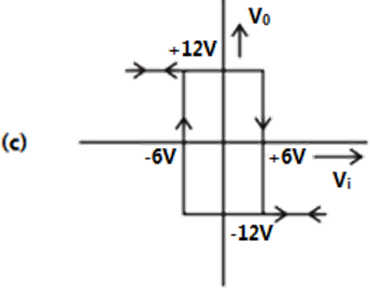
The correct transfer characteristics is
Explanation Locked!
Unlock this branch to view the explanation, track, bookmark and more.
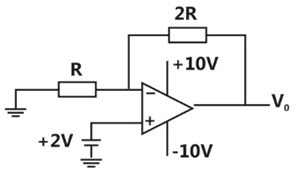
Sign in to UnlockGiven that the op-amp is ideal, the output voltage is

Explanation Locked!
Unlock this branch to view the explanation, track, bookmark and more.
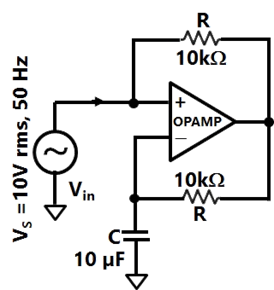
Sign in to UnlockThe following circuit has R = 10kΩ, C = 10µF. The input voltage is a sinusoid at 50Hz with an RMS value of 10V. Under ideal conditions, the current from the source is

leading by 90°

leading by 90°

10mA leading by 90°
leading by 90°
Explanation Locked!
Unlock this branch to view the explanation, track, bookmark and more.
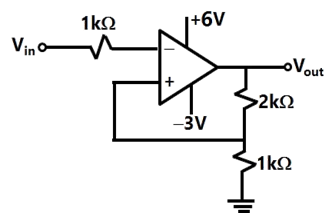
Sign in to UnlockAn ideal op-amp circuit and its input waveform are shown in the figures. The output waveform of this circuit will be
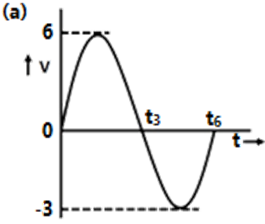
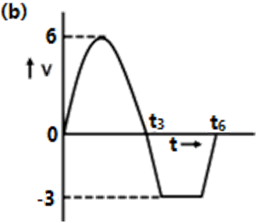
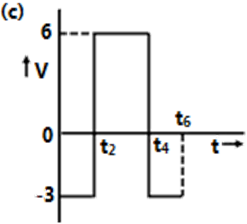
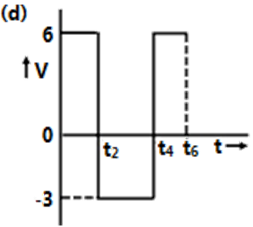
Explanation Locked!
Unlock this branch to view the explanation, track, bookmark and more.
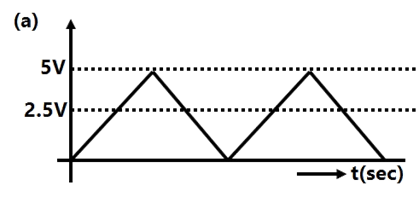
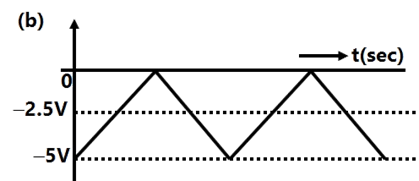
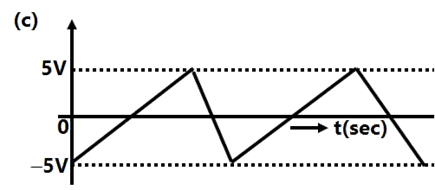
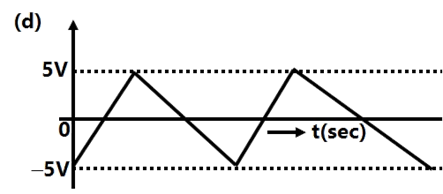
Sign in to UnlockA waveform generator circuit using OPAMPs is shown in the figure. It produces a triangular wave at point ‘P’ with a peak to peak voltage of 5 V for.

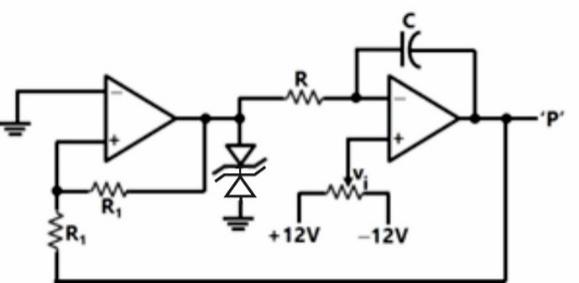
If voltage is made +2.5V, the voltage waveform at point ‘P’ will become
Explanation Locked!
Unlock this branch to view the explanation, track, bookmark and more.
Sign in to UnlockA general filter circuit is shown in the figure:
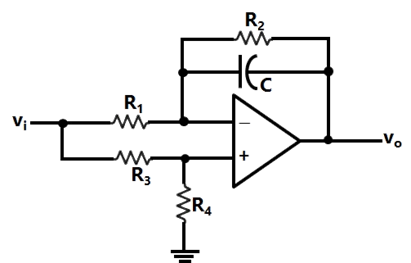
If and , the circuit acts as a


Explanation Locked!
Unlock this branch to view the explanation, track, bookmark and more.
Sign in to UnlockA general filter circuit is shown in the figure:
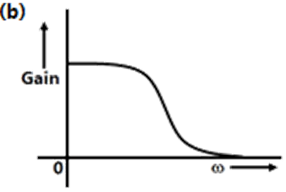
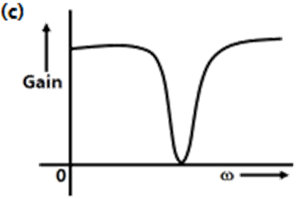
The output of the filter is given to the circuit shown in figure:
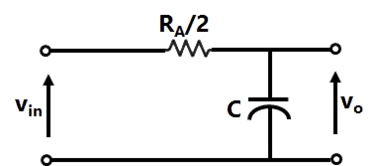
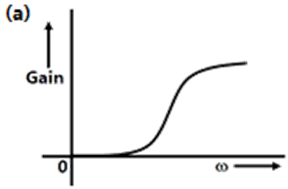
The gain vs frequency characteristic of the output will be

Explanation Locked!
Unlock this branch to view the explanation, track, bookmark and more.
Sign in to UnlockThe circuit shown in the figure is
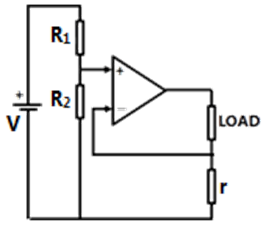
A voltage source with voltage

A voltage source with voltage

A current source with current

A current source with current

Explanation Locked!
Unlock this branch to view the explanation, track, bookmark and more.
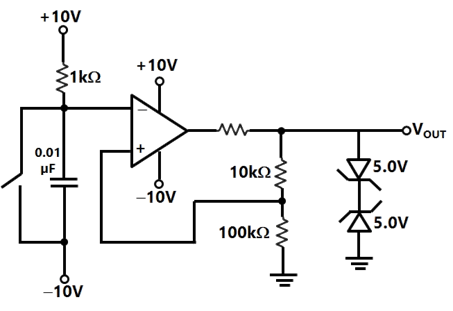
Sign in to UnlockThe switch S in the circuit of the figure is initially closed. It is opened at time t = 0. You may neglect the Zener diode forward voltage drops. What is the behavior of for t > 0?

Explanation Locked!
Unlock this branch to view the explanation, track, bookmark and more.
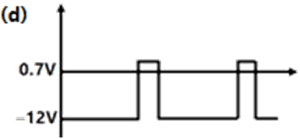
Sign in to UnlockFor a given sinusoidal input voltage, the voltage waveform at point P of the clamper circuit shown in figure will be
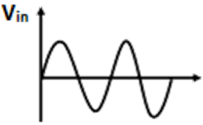
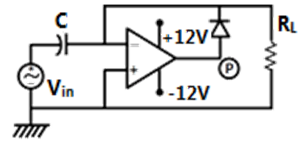
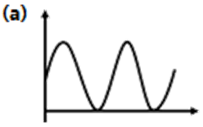
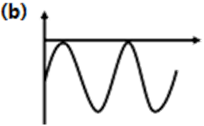
1

Explanation Locked!
Unlock this branch to view the explanation, track, bookmark and more.
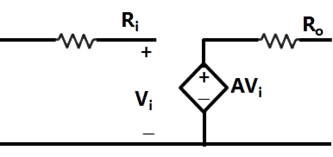
Sign in to UnlockThe parameters of the circuit shown in the figure are. If , then output voltage, input impedance and output impedance respectively are






Explanation Locked!
Unlock this branch to view the explanation, track, bookmark and more.
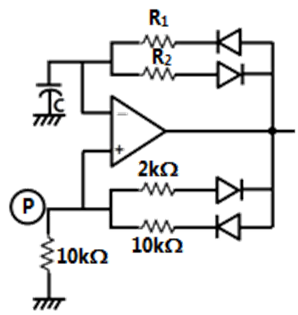
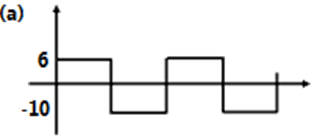
Sign in to UnlockA relaxation oscillator is made using OPAMP as shown in figure. The supply voltages of the OPAMP are ±12V. The voltage waveform at point P will be
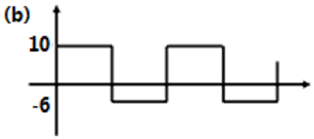

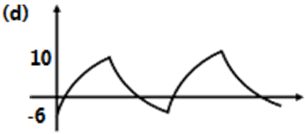
Explanation Locked!
Unlock this branch to view the explanation, track, bookmark and more.
Sign in to UnlockConsider the inverting amplifier, using an ideal operational amplifier shown in Figure. The designer wishes to realize the input resistance seen by the small signal source to be as large as possible, while keeping the voltage gain between –10 and –25, the upper limit on is 1 MΩ. The value of should be


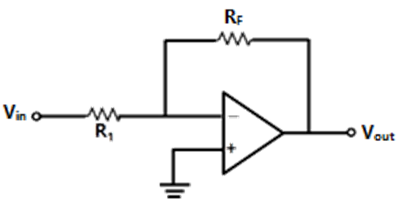
Infinity



Explanation Locked!
Unlock this branch to view the explanation, track, bookmark and more.
Sign in to UnlockIn Figure if the input is a sinusoidal signal, the output will appear as shown in
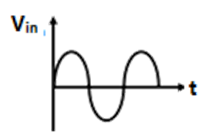
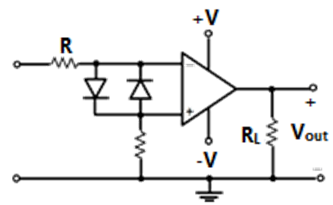

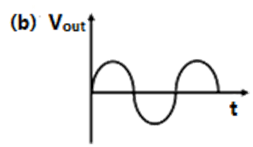


Explanation Locked!
Unlock this branch to view the explanation, track, bookmark and more.
Sign in to UnlockIn the active filter circuit shown in figure, if Q=1, a pair of poles will be realized with equal to

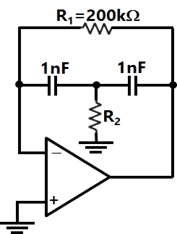
Explanation Locked!
Unlock this branch to view the explanation, track, bookmark and more.
Sign in to UnlockThe input resistance of the circuit in figure is

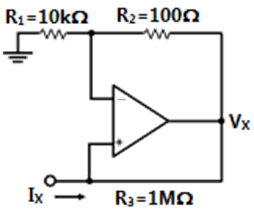




Explanation Locked!
Unlock this branch to view the explanation, track, bookmark and more.
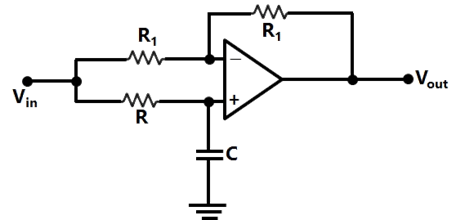
Sign in to UnlockFor the circuit of Figure with an ideal operational amplifier, the maximum phase shift of the output with reference to the input is

Explanation Locked!
Unlock this branch to view the explanation, track, bookmark and more.
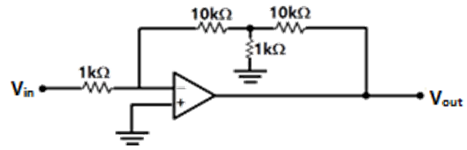
Sign in to UnlockAssuming the operational amplifier to be ideal, the gain for the circuit shown in Figure is

Explanation Locked!
Unlock this branch to view the explanation, track, bookmark and more.
Sign in to UnlockA first order, low pass filter is given with and . What is the frequency at which the gain of the voltage transfer function of the filter is 0.25?


Explanation Locked!
Unlock this branch to view the explanation, track, bookmark and more.
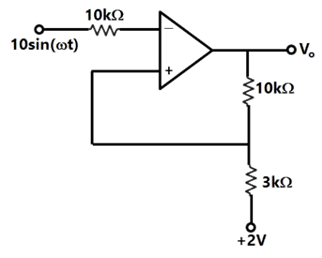
Sign in to UnlockThe output voltage of the Schmitt trigger shown in Figure swings between +15V and –15V. Assume that the operational amplifier is ideal. The output will change from +15V to –15V when the instantaneous value of the input sine wave is
Explanation Locked!
Unlock this branch to view the explanation, track, bookmark and more.
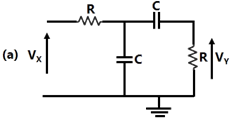
Sign in to UnlockDetermine the transfer function for the RC network shown in Figure (a). This network is used as a feedback circuit in an oscillator circuit shown in Figure (b) to generate sinusoidal oscillations. Assuming that the operational amplifier is ideal, determine for generating these oscillations. Also, determine the oscillation frequency if and C =100pF.


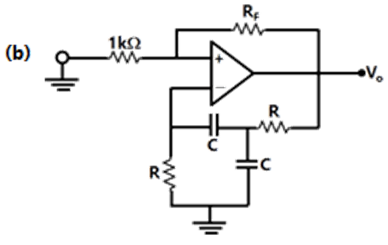
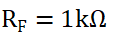
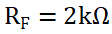


Explanation Locked!
Unlock this branch to view the explanation, track, bookmark and more.
Sign in to UnlockAn op-amp has an open-loop gain of and an open-loop upper cutoff frequency of 10 Hz. If this op-amp is connected as an amplifier with a closed gain of 100, then the new upper cutoff frequency is

Explanation Locked!
Unlock this branch to view the explanation, track, bookmark and more.
Sign in to UnlockFor the oscillator circuit shown in figure, the expression for the time period of oscillation can be given by (where τ = RC)
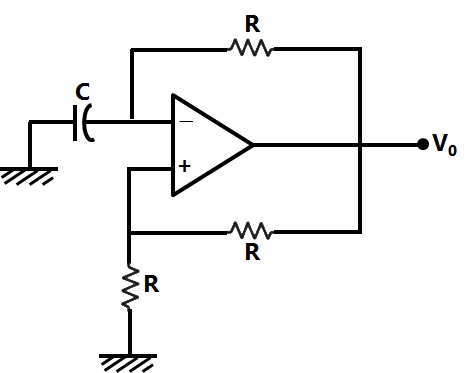
ln3

ln3

ln2
ln2
Explanation Locked!
Unlock this branch to view the explanation, track, bookmark and more.
Sign in to UnlockAn op-amp having a slew rate of 62.8 V/µsec, is connected in a voltage follower configuration. If the maximum amplitude of the input sinusoid is 10V, then the minimum frequency at which the slew rate limited distortion would set in at the output is
Explanation Locked!
Unlock this branch to view the explanation, track, bookmark and more.
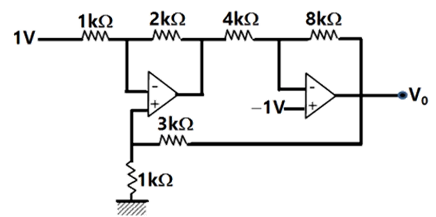
Sign in to UnlockFor the op-amp circuit shown in figure, determine the output voltage . Assume that the op-amps are ideal.
Explanation Locked!
Unlock this branch to view the explanation, track, bookmark and more.
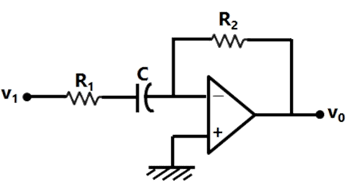
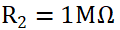
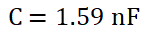
Sign in to UnlockA simple active filter is shown in Figure. Assume ideal op-amp. Derive the transfer function of the circuit, and state the type of the filter (i.e., high-pass, low-pass, band-pass, or band-reject). Determine the required values of , and C in order for the filter to have a 3-dB frequency of 1 kHz, a high frequency input resistance of 100 kΩ, and a high frequency gain magnitude of 10.



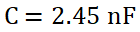
Explanation Locked!
Unlock this branch to view the explanation, track, bookmark and more.
Sign in to UnlockThe circuit shown is fig. uses an ideal op-amp working +5V and -5V power supplies. The output voltage is equal to
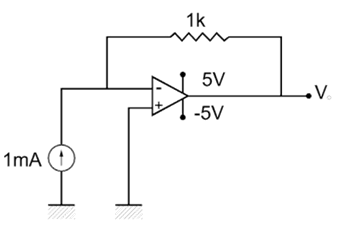
Explanation Locked!
Unlock this branch to view the explanation, track, bookmark and more.
Sign in to UnlockThe feedback factor for the circuit shown in fig. is:
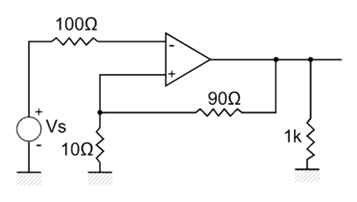




Explanation Locked!
Unlock this branch to view the explanation, track, bookmark and more.
Sign in to UnlockAn active filter consisting of an op-amp, resistors and two capacitors of value C each, has a transfer function


Where

If and , determine the center frequency , gain and the Q of the filter.







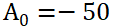
Explanation Locked!
Unlock this branch to view the explanation, track, bookmark and more.
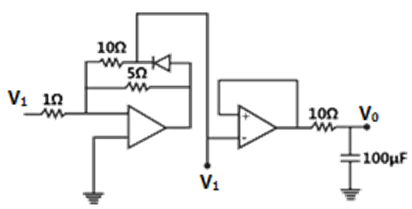
Sign in to UnlockThe input voltage in the circuit shown in fig is a 1 kHz sine wave of 1V amplitude. Assume ideal operational amplifiers with supply. Sketch on a single diagram the waveforms of the voltages and shown, indicating the peak value of and the average value

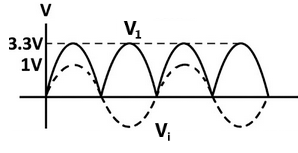
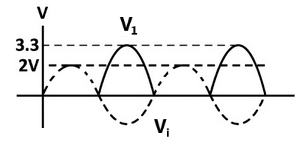
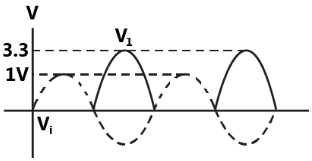
None
Explanation Locked!
Unlock this branch to view the explanation, track, bookmark and more.
Sign in to UnlockMatch the column
Circuit
(a) (P) High-pass filter
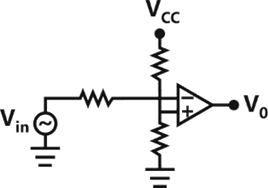
(b) (Q) Amplifier
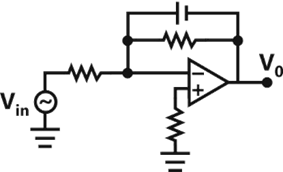
(c) (R) Comparator
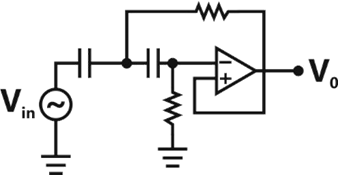
(S) Low-pass filter
Explanation Locked!
Unlock this branch to view the explanation, track, bookmark and more.
Sign in to UnlockIn the circuit shown in fig and, . For the op-amp, , R1 = 100 kΩ and R0 = 50Ω. For V0 = 10V, calculate and and estimate the input resistance of the circuit





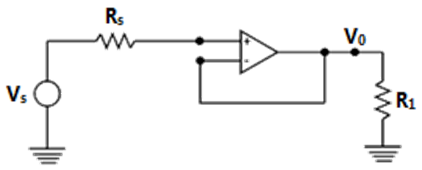
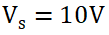


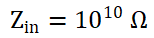
Explanation Locked!
Unlock this branch to view the explanation, track, bookmark and more.
Sign in to UnlockShow that the circuit given in figure will work as an oscillator at , if ?

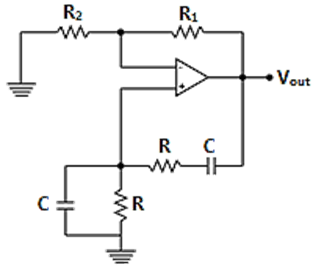
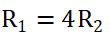
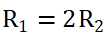
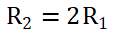
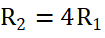
Explanation Locked!
Unlock this branch to view the explanation, track, bookmark and more.
Sign in to UnlockA major advantage of active filters is that they can be realized without using
Explanation Locked!
Unlock this branch to view the explanation, track, bookmark and more.
Sign in to UnlockA differentiator has transfer function whose
Explanation Locked!
Unlock this branch to view the explanation, track, bookmark and more.
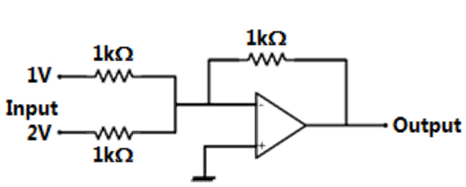
Sign in to UnlockThe circuit shown in figure, acts as a… and for the given inputs, its output voltage is… V
Explanation Locked!
Unlock this branch to view the explanation, track, bookmark and more.
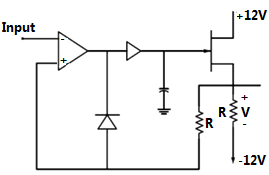
Sign in to UnlockFor an input signal 4sin10t, the voltage across the resistance R in the circuit shown in figure, is … V
Explanation Locked!
Unlock this branch to view the explanation, track, bookmark and more.
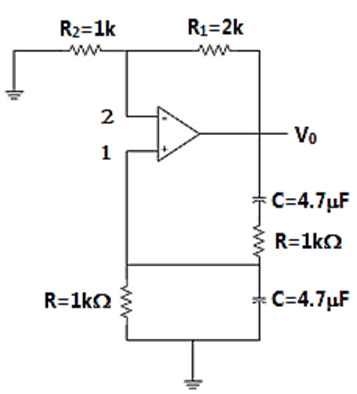
Sign in to UnlockDetermine the frequency of oscillation of the circuit shown in figure. Assume the op-amp to be ideal
Explanation Locked!
Unlock this branch to view the explanation, track, bookmark and more.
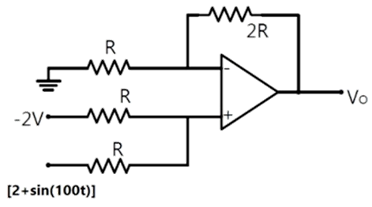
Sign in to UnlockA non-inverting Op-Amp amplifier is shown in figure. The output voltage is



None of these
Explanation Locked!
Unlock this branch to view the explanation, track, bookmark and more.
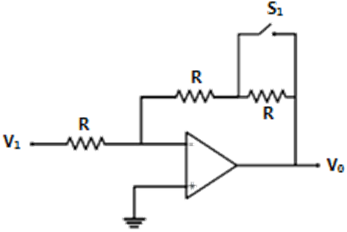
Sign in to UnlockLet the magnitude of the gain in the inverting OP-Amp amplifier circuit shown in be x with switch S1 open. When the switch S1 is closed the magnitude of gain becomes

–x
2x
-2x
Explanation Locked!
Unlock this branch to view the explanation, track, bookmark and more.
Sign in to UnlockThe common mode voltage of a unity gain (voltage follower) op-amp buffer in terms of its output voltage is . ( True=1, False=0)

Explanation Locked!
Unlock this branch to view the explanation, track, bookmark and more.
Sign in to UnlockFor the circuit shown in figure, determine and hence write the equations for the magnitude and phase response of . If the value of is 100k Ohm and of R is 10k Ohm, determine the value of C to obtain a phase shift to 270° between and for an input frequency of 1000rad/s.


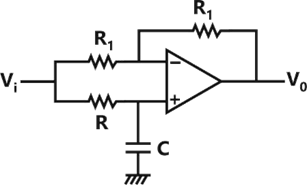
Explanation Locked!
Unlock this branch to view the explanation, track, bookmark and more.
Sign in to UnlockFor the circuit shown in figure, determine the input impedance Z. assume the op-amp to be an ideal one.
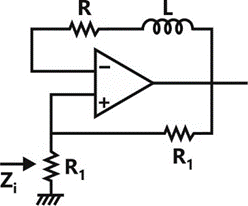
R
2R

None
Explanation Locked!
Unlock this branch to view the explanation, track, bookmark and more.
Sign in to UnlockAn analog comparator is a high-gain amplifier whose output is always either in positive or in negative saturation. (True=1, False=0)
Explanation Locked!
Unlock this branch to view the explanation, track, bookmark and more.
Sign in to UnlockGiven figure shows a two-stage small signal transistor feedback amplifier. Match the defective component (listed on the left hand side below) with its probable effect on the circuit (listed on the right hand side below)
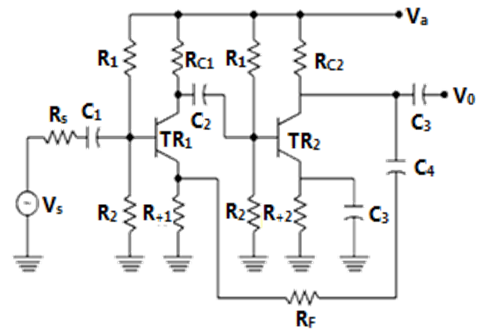
(a) Capacitor is open

(b) Capacitor is open

(c) Capacitor is open

(d) is shorted

(P) All dc voltages normal, increases marginally
(Q) Collector of is at ,



(R) All dc voltages normal, gain of stage increase decrease

(S) All dc voltages normal,

(T) All dc voltages normal, overall gain of the amplifier increases, increases
(U) No change
Explanation Locked!
Unlock this branch to view the explanation, track, bookmark and more.
Sign in to UnlockGiven figure, shows a non-inverting op-amp summer with and . The output voltage __________________



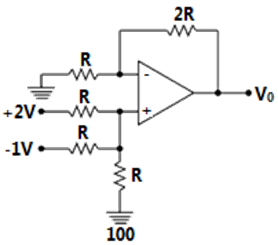
Explanation Locked!
Unlock this branch to view the explanation, track, bookmark and more.
Sign in to UnlockAn ideal OPAMP is used to make an inverting amplifier. The two input terminals of the OP-AMP are at the same potential because
Explanation Locked!
Unlock this branch to view the explanation, track, bookmark and more.
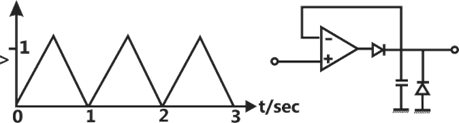
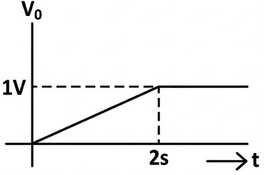
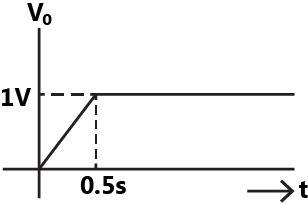
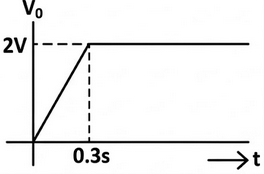
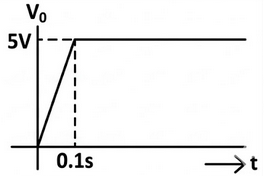
Sign in to UnlockThe circuit shown in figure is excited by the input shown in the figure. Sketch the waveform of the output also indicating the salient values. Assume all components to be ideal.
Explanation Locked!
Unlock this branch to view the explanation, track, bookmark and more.
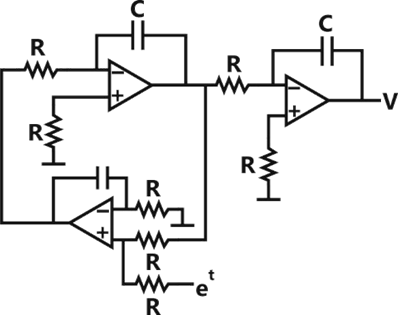
Sign in to UnlockIn the following circuit (figure.), the output V follows an equation of the form

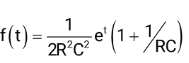
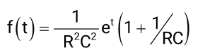
Find a, b and f(t).


Explanation Locked!
Unlock this branch to view the explanation, track, bookmark and more.
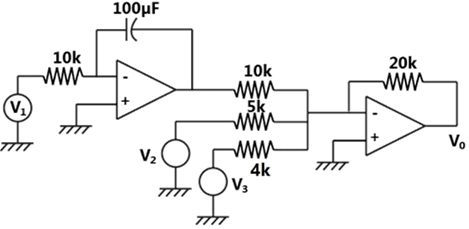
Sign in to UnlockWith ideal operational amplifiers, the circuit in figure simulates the output equation




Explanation Locked!
Unlock this branch to view the explanation, track, bookmark and more.
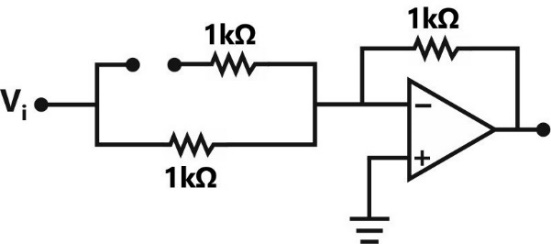
Sign in to UnlockIn figure shown, assume the Zener diode and the operational amplifier to be ideal.
( gain )

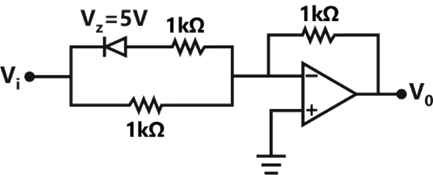
Gain characteristics

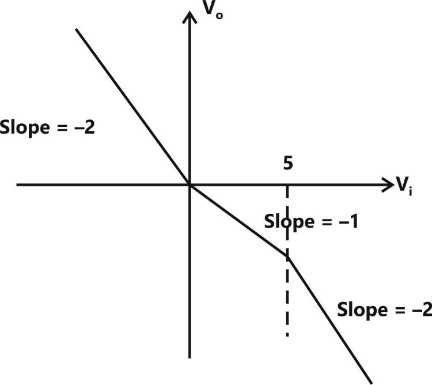
The equivalent circuit and the gain for
Gain = -2

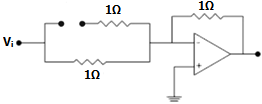
The equivalent circuit and the gain for
Gain = -1

The equivalent circuit for

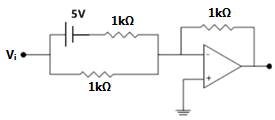
Explanation Locked!
Unlock this branch to view the explanation, track, bookmark and more.
Sign in to Unlock